


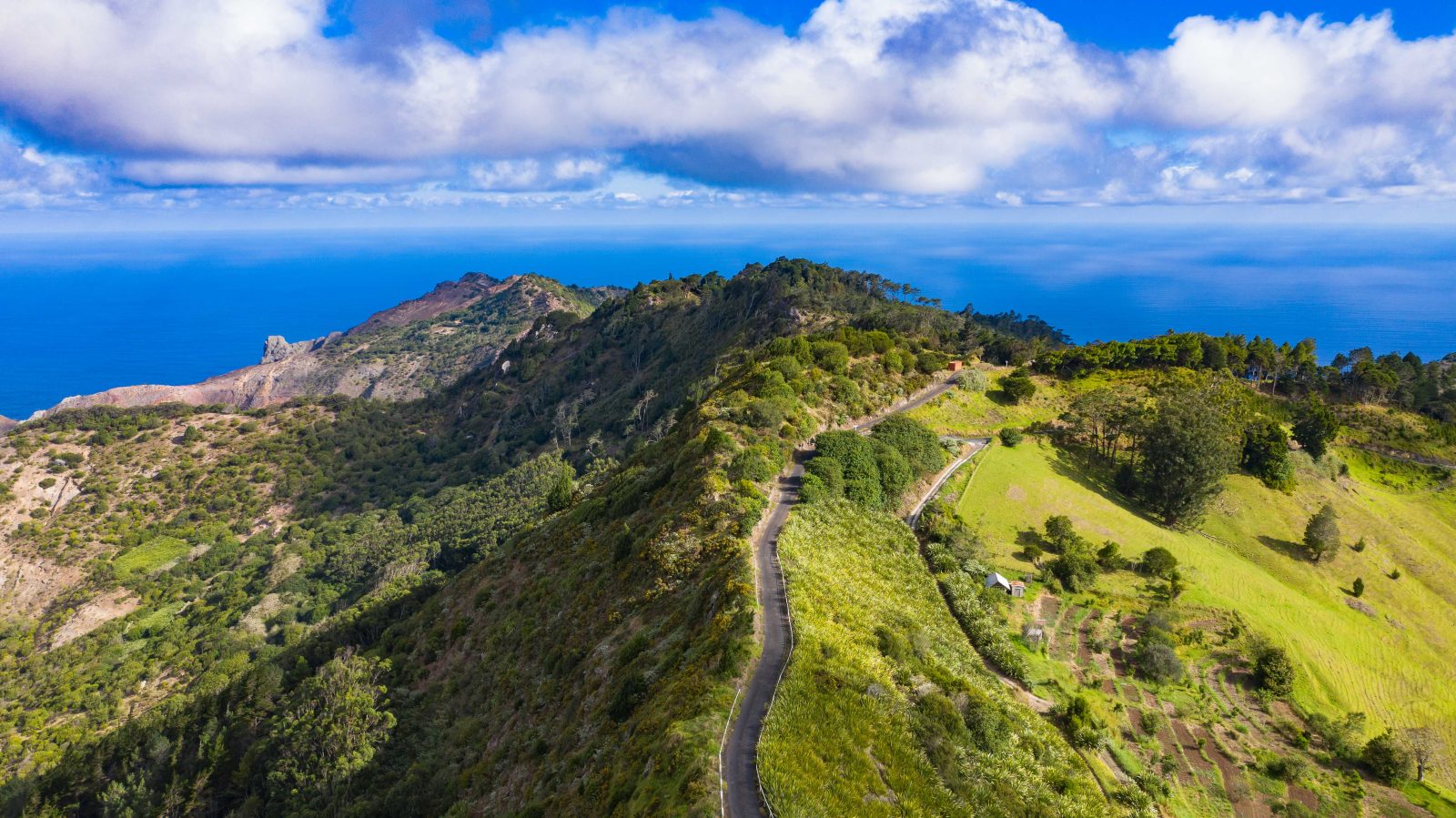

OK, I get it. You love travelling. So do I. But what if I told you there is an island so remote that even one of history’s greatest military minds couldn’t find a way off it?
Welcome to St Helena.
This tiny volcanic island sits alone in the South Atlantic Ocean, more than 1,800 kilometres from the coast of Africa. It is so isolated that when the British exiled Napoleon Bonaparte here in 1815 after his defeat at Waterloo, they were confident he would never escape.
They were right.
More than 200 years later, St Helena has transformed from a place of exile into one of the world’s most fascinating travel destinations. For travellers looking for something different, this forgotten island offers dramatic landscapes, rich history, rare wildlife and a sense of adventure that is becoming increasingly difficult to find.
An Arrival Unlike Anywhere Else
Getting to St Helena is part of the adventure.
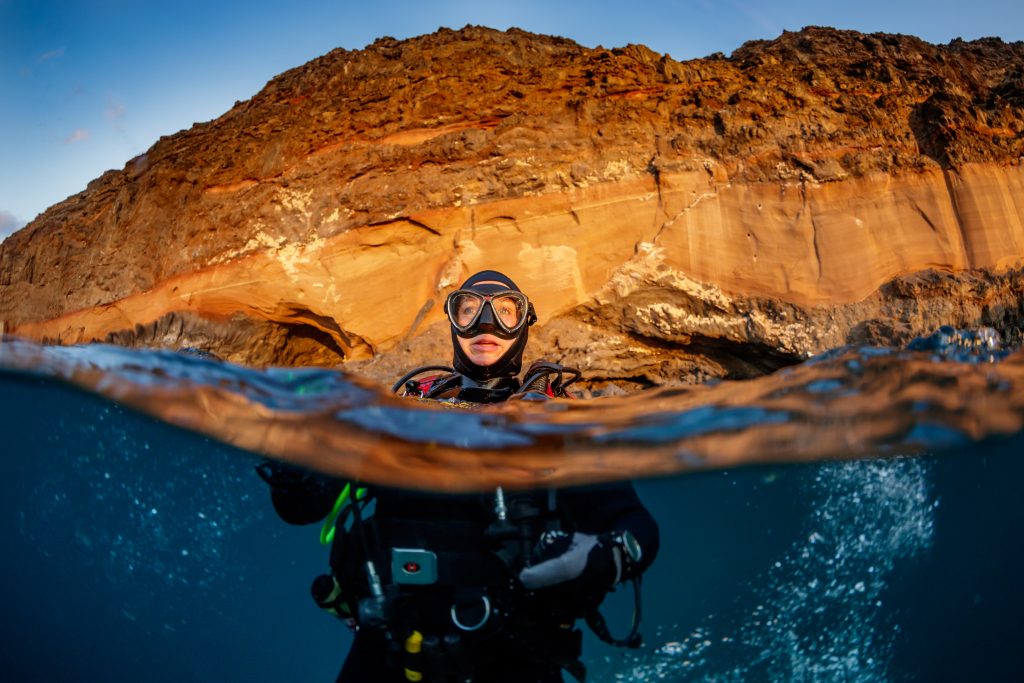
As your aircraft crosses endless stretches of ocean, the island suddenly appears from nowhere. Jagged volcanic cliffs rise dramatically from the Atlantic while lush green mountains disappear into the clouds.
It feels less like arriving at a holiday destination and more like discovering a lost world.
The moment you land, life immediately slows down.
There are no crowded highways, busy shopping centres or packed beaches. Instead, you’ll find friendly locals, winding roads, spectacular scenery and an island community where everyone seems to know each other.
Exploring Jamestown
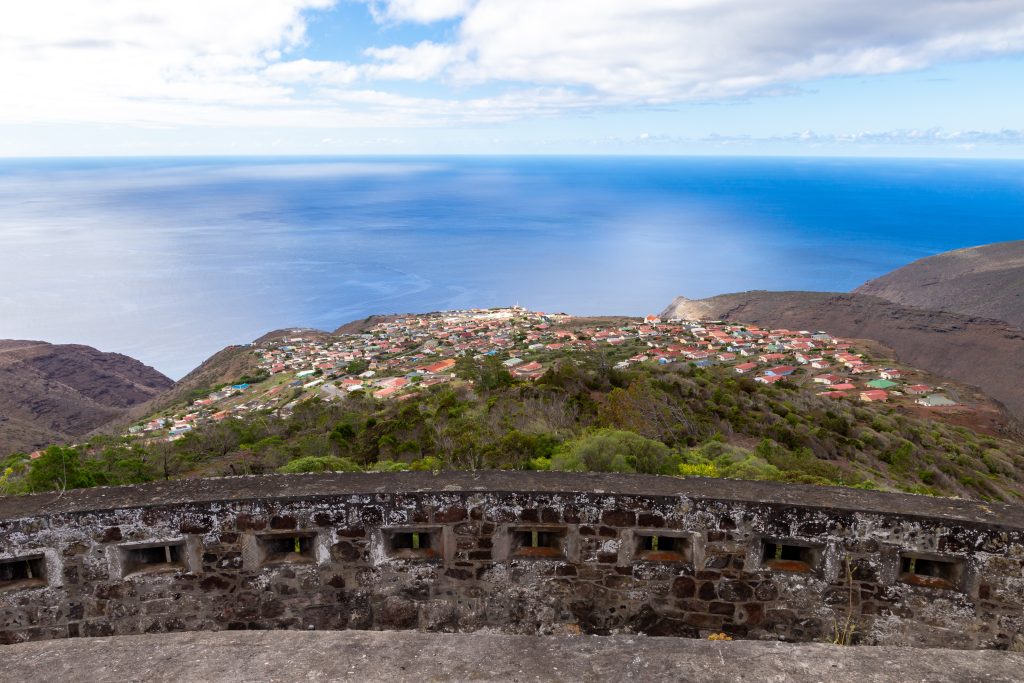
The island’s capital, Jamestown, is one of the most unique towns you’ll ever visit.
Nestled in a narrow valley between towering cliffs, the settlement feels frozen in time. Colourful colonial buildings line the streets, historic churches sit alongside local cafés, and life moves at a pace that feels wonderfully old-fashioned.
Walking through Jamestown feels like stepping into a living history book.
But there is one challenge waiting for visitors.

Conquering Jacob’s Ladder
No trip to St Helena is complete without tackling the island’s most famous attraction: Jacob’s Ladder.
This steep staircase climbs an intimidating 699 steps from Jamestown to Ladder Hill.
Many visitors begin confidently.
Most end somewhere around step 500 questioning their life choices.
The climb is demanding, but the reward is unforgettable. At the top, panoramic views stretch across Jamestown, the surrounding mountains and the endless Atlantic Ocean beyond.
Bring water. You’ll thank yourself later.
Hiking Through a Lost World
One of St Helena’s greatest surprises is the diversity of its landscapes.
Within a short drive, the scenery changes dramatically. One moment you feel as though you’re travelling through the Scottish Highlands. The next, you’re standing among subtropical vegetation overlooking dramatic volcanic cliffs.
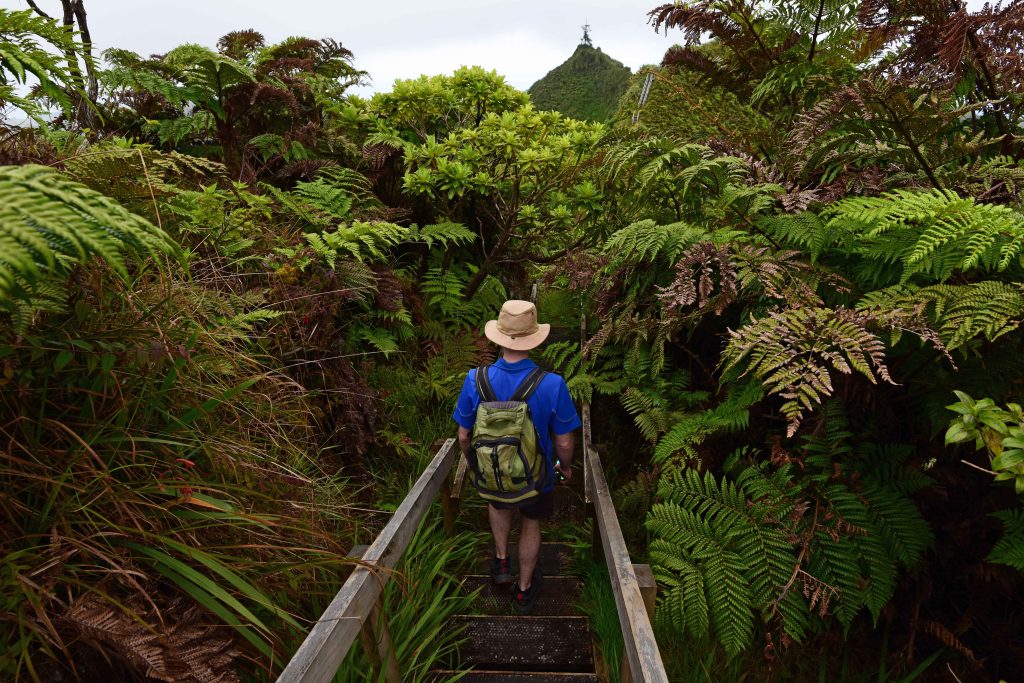
The island’s most spectacular hiking destination is Diana’s Peak National Park.
Often shrouded in mist, this cloud forest is home to rare plants and bird species found nowhere else on Earth. Wooden boardwalks wind through dense vegetation while clouds drift between the trees, creating an atmosphere that feels almost magical.
It’s easy to forget you’re standing in the middle of the Atlantic Ocean.
Meet Jonathan, the World’s Oldest Living Land Animal
Every destination has its celebrity.
St Helena’s happens to be a giant tortoise.
Jonathan lives at Plantation House and is officially recognised as the world’s oldest known living land animal.
At more than 190 years old, Jonathan has witnessed the reign of multiple monarchs, the invention of the telephone, two world wars and the arrival of modern aviation.
Despite his fame, Jonathan remains impressively uninterested in visitors.
Tourists line up for photographs while he calmly continues his daily routine.
Wild Coastlines and Hidden Adventures
St Helena’s coastline is every bit as dramatic as its interior.
At Sandy Bay, black volcanic sands meet powerful Atlantic waves in a landscape that feels untouched by modern tourism.
Swimming is not recommended due to strong currents, but the scenery alone makes the journey worthwhile.
For adventurous travellers, Lot’s Wife’s Ponds offers one of the island’s most unique experiences.
These natural rock pools are carved directly into the volcanic coastline, providing a safe place to swim while waves crash dramatically nearby.
Getting there requires a little effort, but that’s part of the charm. On St Helena, the best experiences often come with a sense of discovery.
A Surprisingly Delicious Food Scene
Given its remote location, many first-time visitors are surprised by St Helena’s food.
Fresh seafood dominates menus, with tuna, lobster, fishcakes and local curries proving particularly popular.
The island’s coffee has also developed a loyal following. Grown on the island’s fertile slopes, it is regarded as one of the world’s rarest coffees.
Small cafés, restaurants and pubs provide warm hospitality and a chance to meet locals who are always happy to share stories about island life.
And then there is the local rum.
As with many remote islands, good stories and good drinks seem to go hand in hand.
Where to Stay
Accommodation on St Helena focuses on charm rather than excess.
Mantis St Helena is one of the island’s most popular options, offering comfortable accommodation within the heart of Jamestown.
Across the island, smaller guesthouses and boutique lodges offer stunning ocean views and personalised hospitality.
Many hosts become unofficial tour guides, sharing fascinating local stories over breakfast or helping visitors discover hidden corners of the island.
Why St Helena Is Worth the Journey
What makes St Helena special isn’t luxury.
It’s personality.
There are no mega resorts, crowded attractions or endless queues. Instead, there are hiking trails through cloud forests, dramatic volcanic landscapes, fascinating history and a slower way of life that feels increasingly rare in today’s world.
It’s the kind of destination where you can spend the morning exploring Napoleon’s final home, the afternoon meeting a 190-year-old tortoise and the evening watching the sun disappear into the Atlantic Ocean.
Napoleon arrived here as punishment.
You will probably leave planning your return.





Related Articles

Mpho Popps to Host 2026 Content Creator Awards
Mpho “Popps” Modikoane will host the 2026 Content Creator Awards, bringing his...

Rassie Names Springbok Team to face All Blacks
Rassie Erasmus has named his Springbok team for the opening Rugby’s Greatest...

Volkswagen Opens Pre-Orders for New T-Roc in South Africa
Volkswagen has opened pre-orders for the second-generation T-Roc ahead of its South...


European Film Festival SA Returns With 12 Acclaimed Films
The European Film Festival South Africa returns for its 13th edition from...
