


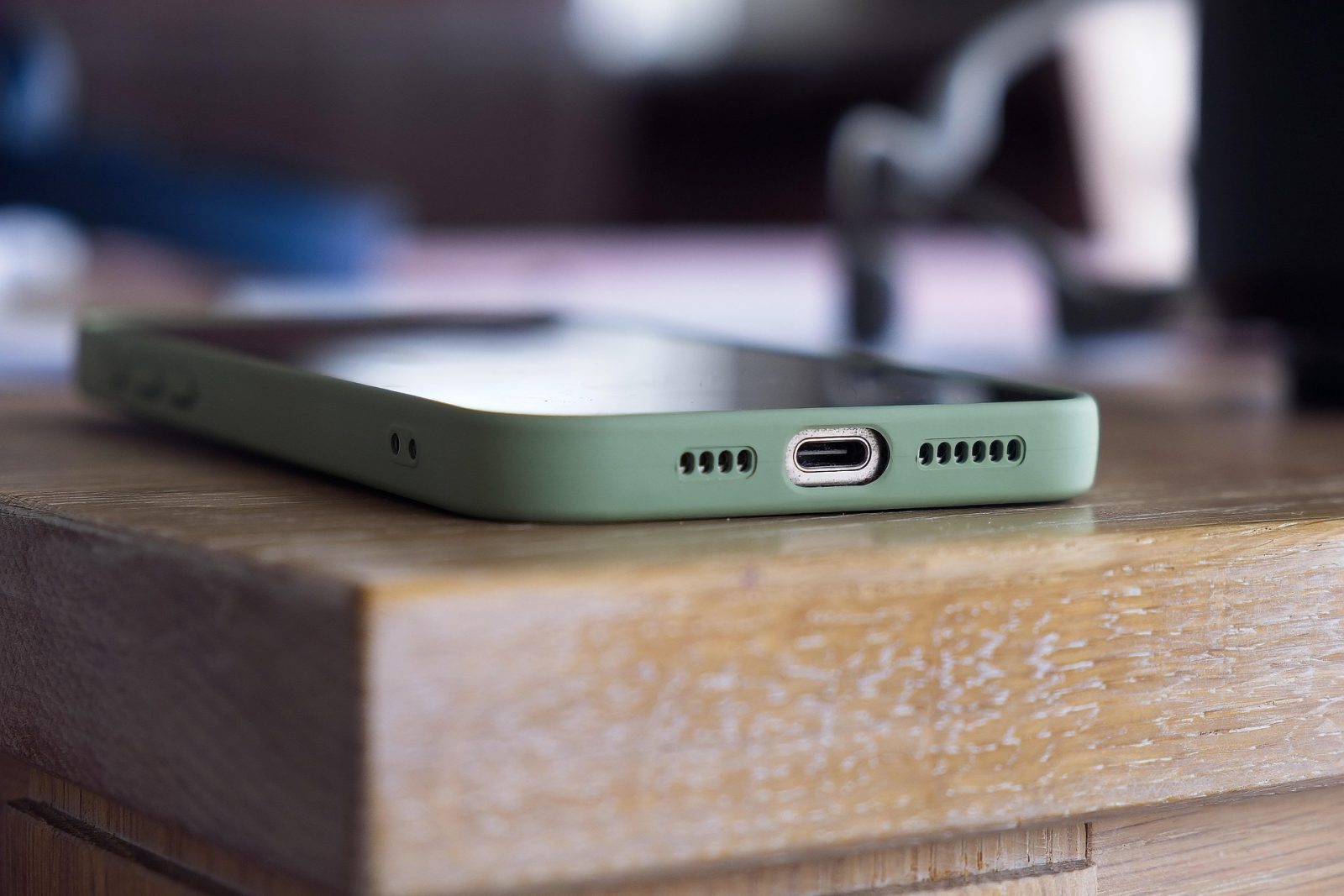
An iPhone 17 Pro Max has become one of the most unusual artefacts of the modern digital age after being sealed inside a giant stainless steel time capsule that will not be opened for another 250 years.
Buried in Philadelphia as part of celebrations marking the United States’ 250th anniversary on 4 July 2026, the capsule is scheduled to remain underground until 4 July 2276, when the country celebrates its 500th anniversary.
A Snapshot of Life in 2026
The device chosen for the project is an iPhone 17 Pro Max in Cosmic Orange, selected to represent everyday life and technology during the early 21st century.
Rather than simply placing the phone inside the capsule, organisers filled its built-in Notes app with digital artefacts documenting life in 2026. The entries are intended to give future generations a glimpse into the world as it exists today.
Built to Last Centuries
The iPhone sits inside a specially engineered 900-pound stainless steel cylindrical time capsule designed to protect its contents for two and a half centuries.
The capsule features:
- An airtight stainless steel design
- An insulating metal bell
- Indium seals designed to protect the contents from underground moisture
The smartphone is stored alongside historical and cultural objects collected from all 50 US states.
Among the companion artefacts are:
- Casino chips from Nevada
- A pocket Constitution signed by Supreme Court Justices
- A piece of fabric from the Wright brothers’ 1903 aircraft
Will the iPhone Still Work?
While the capsule has been engineered to survive centuries underground, experts are sceptical that the iPhone itself will still function when it is finally unearthed.
One of the biggest challenges is the lithium-ion battery, which is expected to deteriorate long before 250 years have passed. Over time, such batteries typically degrade, swell, leak or fail completely.
Even if future historians manage to power the device using an external source, another obstacle remains.
Modern iPhones rely on server-side verification and cloud-based infrastructure. Critics argue that these systems are unlikely to exist in their current form in 2276, potentially preventing the phone from operating normally.
Instead, historians are expected to view the device as a physical relic of the smartphone era. However, future technology may still allow data to be extracted directly from the phone’s flash memory, preserving the digital record left behind.
Whether the iPhone powers on or not, it is set to become a fascinating window into life in 2026 when the time capsule is finally opened 250 years from now.








Related Articles
Ford Tourneo Custom Titanium X AWD arrives in South Africa
Ford South Africa has expanded its premium people-mover range with the launch...

DStv 7 Day Upgrade: Who qualifies and how the free viewing works
DStv customers who pay their monthly subscriptions in full and on time...

World Heart Day: The heart risks you may not know you have
Your heart can feel perfectly healthy even when cardiovascular risk factors are...



The 100 best TV shows of the 21st century: Did your favourite make the list?
South Africans know the danger of a good series. One minute you’re...
