


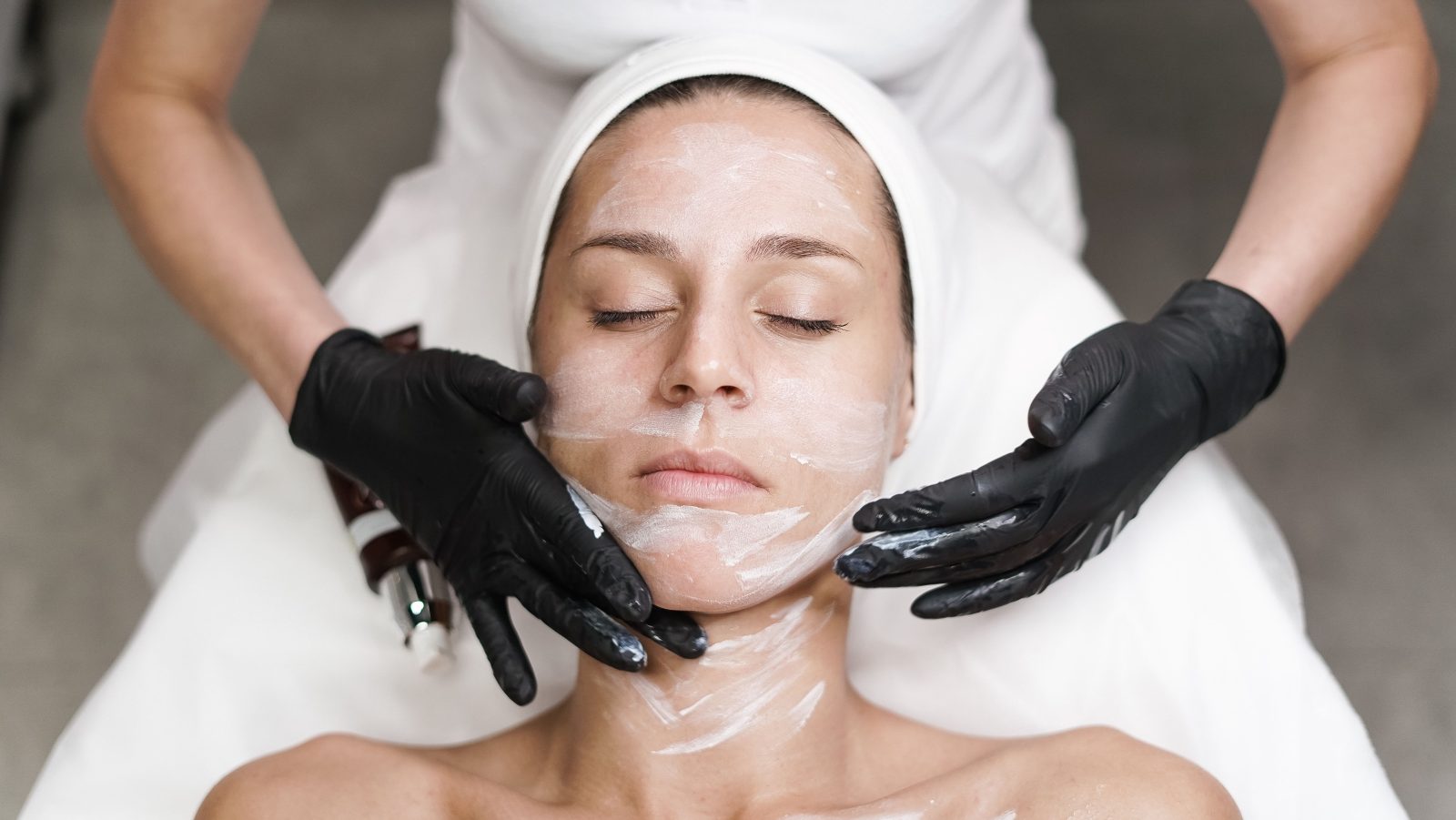
Tightening, lifting or contouring? How to know which aesthetic treatment you actually need
Your jawline looks softer, your cheeks seem to have dropped or your skin feels less firm. But do you need tightening, lifting or contouring?
While the three treatments may sound similar, they target different structures, and choosing the wrong approach could leave you disappointed with the result.
According to aesthetic medicine specialist and owner of the Dr Alek Nikolic Practice, Dr Alek Nikolic, the key is understanding what is actually causing the change you see in the mirror.
“Patients often come into a consultation already knowing what treatment they think they need,” says Dr Nikolic. “But the visible concern isn’t always being caused by the structure they think it is. A jawline can look less defined because of skin laxity, sagging, excess fat, or a combination of all three and each requires a different approach.”
Tightening targets the skin
Skin-tightening treatments focus on firmness, elasticity and texture rather than repositioning deeper structures.
Radiofrequency, ultrasound and microneedling can stimulate collagen and elastin production, making them suitable when skin has become thinner or less resilient.
“Tightening is a quality treatment, not a repositioning treatment,” explains Dr Nikolic. “It can make the skin stronger and smoother as new collagen develops, but it won’t lift a jowl or restore a cheek that has genuinely dropped.”
Put simply, tightening addresses skin quality, not sagging deeper structures.
Lifting targets position and structure
As we age, deeper facial support structures can loosen and shift, contributing to changes around the cheeks, jawline and brow.
Lifting treatments address these deeper structures rather than the skin’s surface.
“Lifting is about position and structure,” says Dr Nikolic. “It addresses sagging in a way tightening alone cannot. It’s the right category when the concern is that an area such as the cheek or jawline has visibly dropped.”
Contouring targets volume
Contouring targets localised fat to change the shape or definition of an area, such as fullness under the chin or stubborn areas of body fat.
“A fuller-looking jawline could be caused by fat, loose skin, changes in deeper support, or a combination,” says Dr Nikolic. “Contouring changes the amount or distribution of volume. It doesn’t tighten loose skin or reposition deeper structures.”
This is why two people concerned about the same area may need different approaches.
Tightening vs lifting vs contouring at a glance
| Treatment approach | What it targets | What it addresses |
|---|---|---|
| Tightening | Skin | Firmness, elasticity and texture |
| Lifting | Deeper support structures | Sagging or areas that have visibly dropped |
| Contouring | Localised fat and volume | Shape, fullness and definition |
The mirror doesn’t tell you what’s underneath
The key, says Dr Nikolic, is identifying the cause of the concern before choosing a treatment.
“Ageing doesn’t happen in one layer. Skin quality, fat distribution and structural support can all change independently.”
A patient may need tightening, lifting, contouring or a combination.
Rather than arriving at a consultation having already chosen a treatment, patients should focus on the result they want to achieve. The appropriate approach depends on which structure is actually responsible for the change.









Related Articles

Orlando Pirates Unveil Soweto-Inspired Third Jersey for 2026/27
adidas and Orlando Pirates have unveiled a limited-edition third jersey for the...

Local Elections 2026: Voting Times, ID Requirements and Ballot Guide
South Africans will vote in the Local Government Elections on 4 November...
Uneven Body Skin Tone: A Gentler Approach to Dark Knees and Inner Thighs
Friction, hair removal and irritation contribute to uneven-looking skin tone on areas...



Jimmy Nevis Brings Roses & Thorns to The Baxter for One Night
Jimmy Nevis will bring his music-and-theatre production Roses & Thorns to the...
