


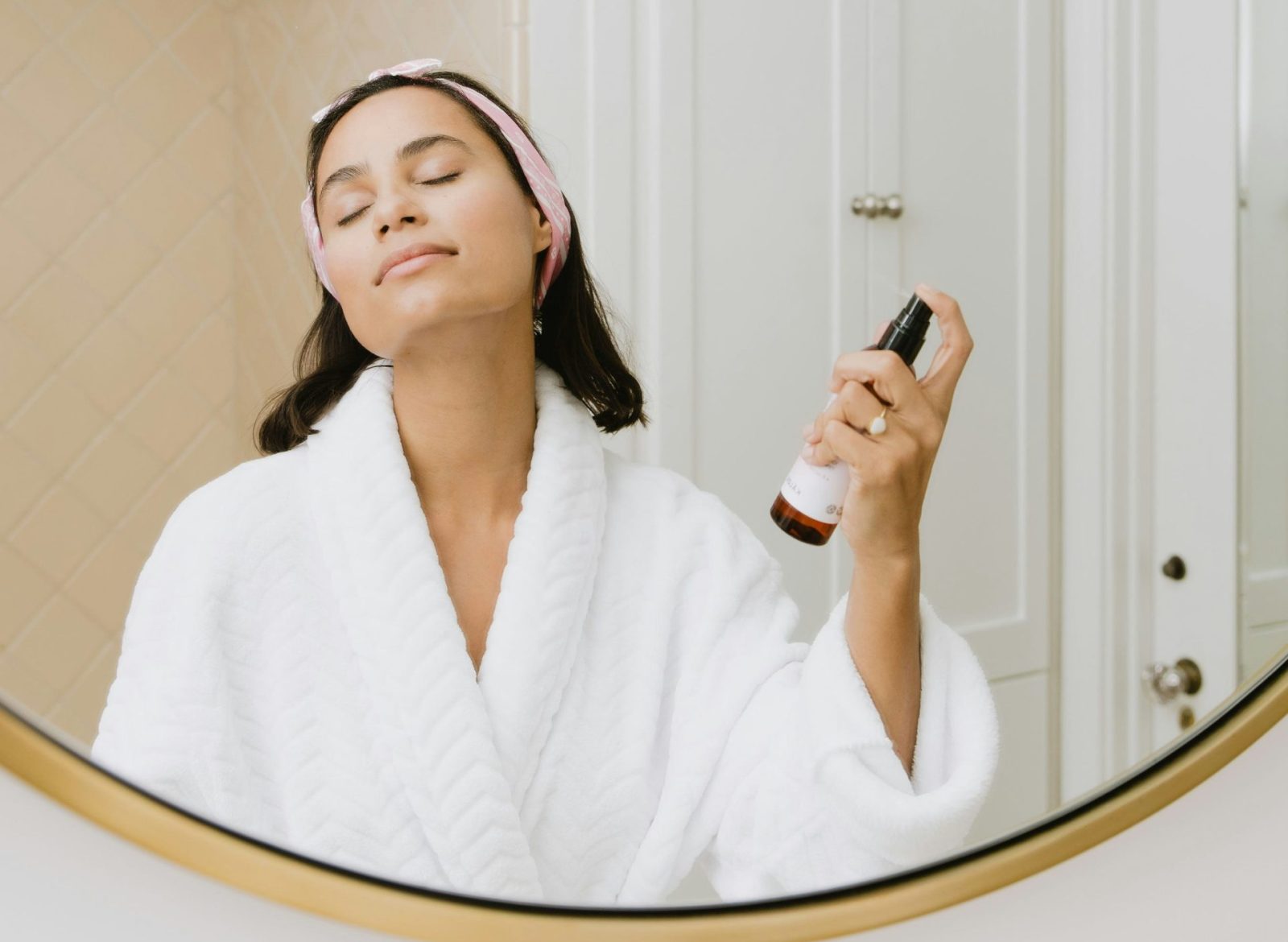

Consumers are changing how they shop for beauty products. Filling a basket no longer drives the decision. Buyers now look for products with ingredients that deliver visible results.
Beauty shoppers examine labels, search ingredient lists and compare formulas before they purchase. Words such as “glow” or “youthful” carry less weight than ingredient names such as glycolic acid, niacinamide or retinol. Tutorials, dermatology advice and ingredient breakdowns across social platforms shape these decisions.
The modern skincare consumer expects proof. Products must show how ingredients support the skin, not rely on marketing language alone.
Consumers demand ingredient transparency
Beauty shelves still display polished packaging and strong branding. The difference sits in the behaviour of the shopper.
Today’s consumer studies what sits inside the bottle. Ingredient literacy has grown rapidly as online resources explain how different actives support skin health.
“The shift we are seeing is not only about product preference. It reflects a new relationship between the consumer and the category,” says Nick Hunt, General Manager at Retail Therapy Strategic Consulting (RTSC).
“South Africans have become genuinely ingredient-literate. Consumers now approach skincare the same way they approach health, with questions and high expectations.”
Skincare market growth reflects demand
The shift toward ingredient-driven beauty aligns with strong growth across the local market.
South Africa’s beauty sector grew by 7 percent year on year to reach USD 3.9 billion in 2024. This growth significantly outpaced the country’s GDP growth of 0.6 percent during the same period.
The skincare segment alone shows strong momentum. Forecasts indicate the category will expand from USD 832.76 million in 2025 to USD 1.25 billion by 2031.
Anti-ageing products remain one of the fastest growing categories. The segment is expected to approach USD 1.79 billion by 2030 as consumers search for treatments that address wrinkles, pigmentation and skin texture.
Gen Z drives digital skincare education
Much of the momentum sits with younger, digitally fluent consumers who grew up with access to online dermatology content and skincare education.
A survey of 7,000 South African Gen Z consumers revealed skincare as the leading beauty category.
Key insights from the survey include:
• 94 percent purchase skincare products
• 57 percent buy beauty products directly through social media platforms
“Social media has become a powerful democratiser of skincare knowledge,” Hunt explains.
“A 22-year-old in Johannesburg now has access to the same information as a dermatologist’s patient in London. That access has changed expectations and raised the standard for brands.”
Targeted skincare replaces generic beauty
The modern beauty shopper does not buy products without purpose. Consumers now shop with specific concerns in mind.
Common skincare targets include:
• Acne treatment
• Hyperpigmentation correction
• Skin barrier repair
• Sun damage protection
• Anti-ageing treatments
Brands and retailers must respond with clear information, ingredient transparency and targeted product solutions.
The beauty industry continues to evolve as consumers become more informed, selective and results-focused.







Related Articles

Inside Manchester City’s £900m financial breaches as Premier League sanction looms
Manchester City artificially inflated revenues and reduced costs by more than £900...

Ford Tourneo Custom Titanium X AWD arrives in South Africa
Ford South Africa has expanded its premium people-mover range with the launch...

DStv 7 Day Upgrade: Who qualifies and how the free viewing works
DStv customers who pay their monthly subscriptions in full and on time...



World Heart Day: The heart risks you may not know you have
Your heart can feel perfectly healthy even when cardiovascular risk factors are...
