


For decades, the roar of an engine was part of the thrill of driving. But as electric vehicles find their way into South African driveways, ideas about what makes a car enjoyable to drive are starting to change.
High-performance electrified vehicles are becoming more commonplace, bringing performance figures once associated with specialist cars into different segments.
The Volvo EX30 Twin Motor Performance, for example, produces 315kW and 543Nm of torque and accelerates from 0 to 100km/h in 3.6 seconds.
A decade ago, that kind of acceleration would have belonged to a specialist performance car. Now it is available in a compact SUV.
But the numbers tell only part of the story.
EV performance feels different
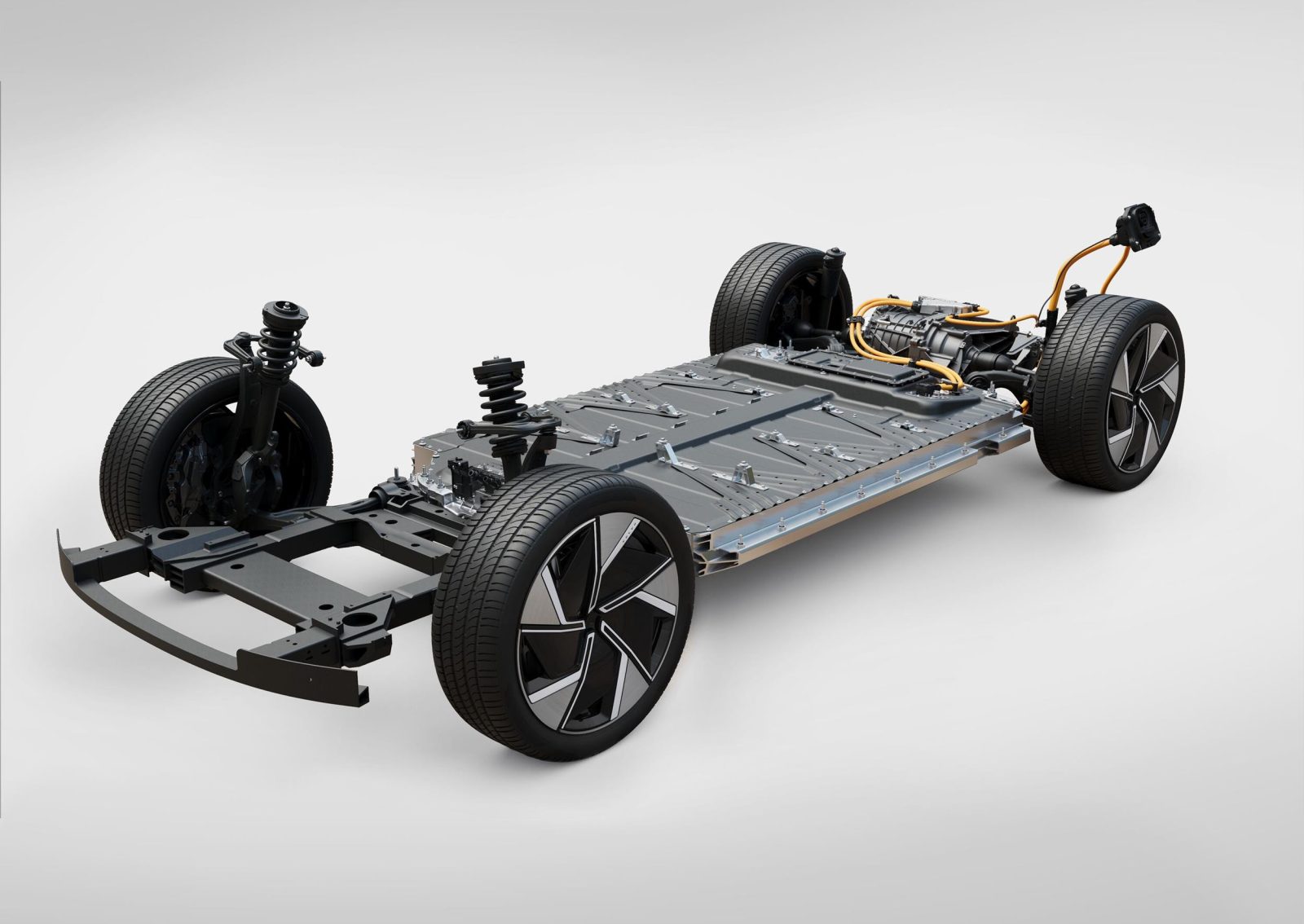
An electric motor delivers its full torque from the moment the accelerator is pressed.
There are no gears to work through and no revs that need to build first.
That changes how acceleration feels behind the wheel. The response is immediate, creating a different performance experience from that of a combustion engine.
For drivers accustomed to judging a car by its engine, gearbox and exhaust note, it requires a rethink of some familiar measures of driving pleasure.
What happens when the engine noise disappears?
Take away the engine note and another characteristic of electric driving becomes more noticeable: quiet.
A quieter cabin shifts attention towards the road and how the vehicle responds to the driver’s inputs.
It can also mean less noise to contend with during a long commute.
That does not mean the appeal of a combustion engine has disappeared.
Many drivers still value its sound and feel, and that remains part of the enjoyment of driving. Electric vehicles are instead adding another experience alongside it.
Performance is no longer only about what’s under the bonnet
Technology is also changing the features car enthusiasts have to consider.
Over-the-air updates that alter how a vehicle drives after purchase, different drive modes and batteries that manage range and charging more intelligently over time are becoming part of the ownership experience.
For a growing number of enthusiasts, the question of “what is under the bonnet” is being joined by another: “what does the car know how to do.”
That presents a challenge for manufacturers such as Volvo.
An electric vehicle still needs to convince drivers through its performance, handling and engineering rather than being viewed as a compromise for moving away from internal combustion.
The EX30 Twin Motor Performance’s 3.6-second sprint provides one answer to the performance question.
But the broader transition from petrolhead to EV convert is about more than acceleration.
Driving pleasure is increasingly being found in instant torque, a quieter cabin and technology that changes how the vehicle behaves and operates over time.
The soundtrack might be different, but enjoying the drive has not disappeared with the engine note.





Related Articles

UFC 331: What time Van vs Pantoja 2 starts in South Africa and full fight card
Joshua Van and Alexandre Pantoja will meet again with the UFC flyweight...

The symptoms we learn to live with could be worth talking about
Pain, fatigue or simply not feeling like yourself can become something you...

Think you can afford that car? The monthly instalment doesn’t tell the full story
A car might fit comfortably into your finance application, but the monthly...



DStv’s new R399 Sports package has one big catch for Springbok and F1 fans
DStv has launched a dedicated Sports package offering Premier League, PSL, Champions...
