


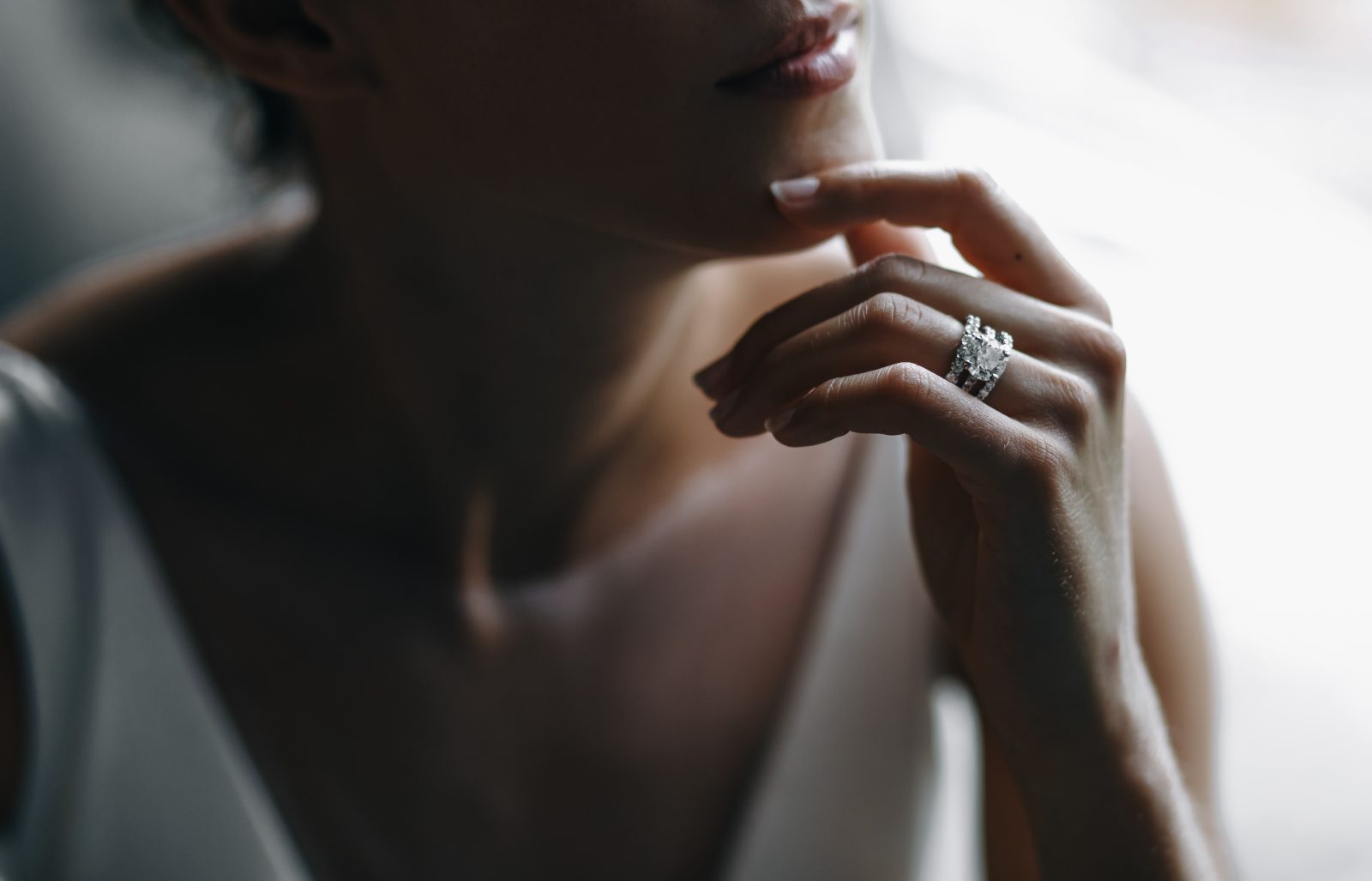
Taylor Swift made headlines in 2025 after her engagement to football star Travis Kelce. The proposal featured a striking engagement ring valued at $500,000 to $1 million. At its centre sits an 8-carat Old Mine Cut diamond, a rare historic cut dating back to the 18th century, set in handcrafted 18k yellow gold.
While most couples will never insure a ring of that scale, the story highlights a reality that applies to every engagement ring, regardless of size or price. Diamonds have both emotional and financial value, and proper protection is essential.
Why diamond insurance matters
“Behind every diamond promise of ‘I do’, whether natural or lab-grown, lies the need for proper insurance,” says Tarina Vlok, managing director of Elite Risk, a high-net-worth insurer and subsidiary of Old Mutual Insure.
High-value jewellery presents specific risks. Rings are worn daily and are at risk of theft, loss, and accidental damage. Antique or heirloom rings add another layer of complexity due to their unique craftsmanship and rarity.
“The right policy ensures the ring can be repaired or replaced with something of comparable rarity and value,” Vlok explains.
What insurance may not cover
Not all jewellery policies offer the same level of protection. Vlok warns that many exclusions catch owners off guard.
“A loss may include theft or damage, such as small diamonds falling out. But some policies exclude wear and tear, faulty workmanship or chipping,” she says.
Because of these limitations, specialist jewellery insurance is often required, especially for high-value rings or those featuring rare stones. Whether the diamond is natural or lab-grown also plays a role in how cover is structured.
Why valuation and certification are essential
Engagement rings must be insured at their replacement value, not at their purchase price. This requires a professional valuation certificate.
“There are significant cost differences between natural and lab-grown diamonds, which directly affect insurance,” says Vlok.
Diamonds are issued with gemmology certificates from recognised bodies such as the Gemmological Institute of America or the European Gemmological Laboratory. These certificates confirm whether a diamond is natural or lab-grown and describe its characteristics.
“Insurers increasingly require a gemmology certificate to verify the origin and replacement value of the diamond,” she adds.
What to do when a ring needs repair
If your insured ring is damaged, the first step is to check whether your insurer approves your original jeweller.
“If they are on the insurer’s panel, return the ring to them for repair or replacement,” Vlok advises. “If not, ask your insurer what reinstatement options are available to ensure the outcome meets your expectations.”
Natural diamonds pose an additional challenge. Each stone is unique, and market availability fluctuates. Replacing a diamond with a matching characteristic may take time and could increase costs, which can affect the claims process.
Keeping your diamond protected long-term
Vlok shares practical steps to safeguard your ring and avoid complications if you need to claim.
Get an appraisal
Have your ring professionally valued to establish its replacement value. Update this valuation every three to five years, especially for natural diamonds, which may appreciate in value. A grading report is not the same as an appraisal.
Keep documentation
Store receipts, valuation certificates and gemmology reports securely. Provide copies to your insurer before a claim arises. Many insurers do not accept photographs alone as proof of ownership.
Store your ring correctly
Most policies require jewellery to be kept in a locked safe when not worn. Failure to meet these conditions may result in claims being reduced or denied. Always understand the fine print of your policy.
Peace of mind beyond the sparkle
“Diamonds carry both high financial and emotional value,” Vlok concludes. “Having the right insurance in place helps ease the hardship if something goes wrong.”
From celebrity engagements to everyday love stories, protecting a diamond ring ensures the symbol of commitment remains secure long after the proposal.







Related Articles
South Africa faces unusually strong El Niño as SAWS warns of hotter, drier summer conditions
South Africa is already experiencing an exceptionally strong El Niño, with forecasts...
SASSA November 2026 grant payment dates could change due to elections
SASSA is reviewing its November 2026 social grant payment dates after Election...

Inside Manchester City’s £900m financial breaches as Premier League sanction looms
Manchester City artificially inflated revenues and reduced costs by more than £900...


Ford Tourneo Custom Titanium X AWD arrives in South Africa
Ford South Africa has expanded its premium people-mover range with the launch...
