


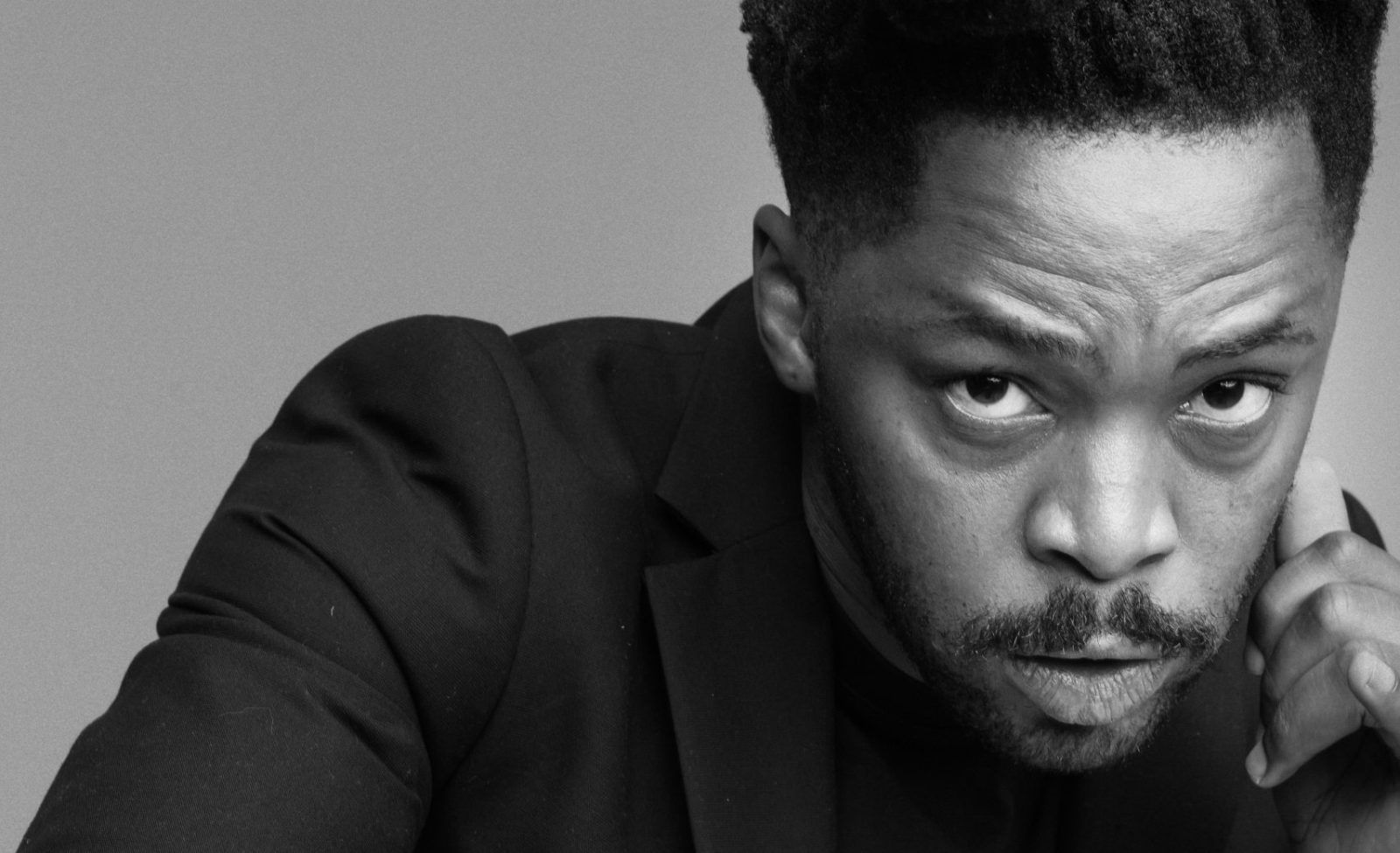
Comedian Chuma-Sande Bentele is encouraging men to speak honestly about their mental health, seek support and reconsider expectations linking masculinity to emotional silence and financial provision.
Speaking to Inbound Magazine, Bentele discusses vulnerability, relationships and the pressures of working in comedy. His message is that asking for help and looking after your health should not undermine your sense of self.
“I think it’s important for everyone, no matter the gender, to have access to spaces to talk about what they’re going through,” Bentele tells Inbound Magazine. “We’re human beings. We all feel the need to be seen, heard or supported.”
Challenging the ‘Man Up’ Mentality
Bentele believes creating opportunities for conversation is only part of the work. Men also need to feel comfortable using them.
Support might involve checking in with friends, speaking to loved ones or approaching professional services, NGOs, helplines, religious leaders or cultural leaders.
He says expectations to appear strong and handle problems privately discourage men from acknowledging their struggles.
“When you are raised to think that vulnerability is a sign of weakness and a threat to masculinity, you’re suppressing important parts of being human,” he explains.
For Bentele, discussions about patriarchy, toxic masculinity, homophobia, gender-based violence, sexual health and healthy relationships are important to understanding both the pressures men face and their impact on others.
He also believes emotional support is a skill. When a friend opens up, making a joke or changing the subject risks closing down a conversation when the person needs to be heard.
Being a Provider Goes Beyond Money
Bentele acknowledges his own struggle with the expectation that a man’s value depends on his ability to provide financially.
“It’s something I still struggle with. I’ve had to redefine what being a provider is,” he says.
He is learning to recognise care, emotional availability, understanding and support as meaningful contributions to relationships.
“I know that my value isn’t only in being able to provide financially,” he says.
Practising vulnerability has helped him develop other aspects of himself. Although the process has been challenging, he says the shift has strengthened his relationships and expanded the ways he expresses care.
Finding Balance Beyond Comedy
Public expectations, criticism and unpredictable performances bring their own pressures. Bentele tries to maintain perspective through both successful and difficult periods.
“I try not to take my highs too high or my lows too low,” he explains.
Interests and relationships outside comedy help him stay grounded and recognise an identity beyond his work.
“I exist outside of the performance. I’m not only a comedian, I’m a son, a partner, a brother, a friend and a father to a cat.”
For Bentele, stage performance is one part of his life rather than the measure of his worth.
Taking the First Step Towards Support
Reaching out is not always comfortable, Bentele acknowledges, but he believes the experience is worthwhile.
“You realise that you’re genuinely not alone and that people care about you,” he says. “It’s like exercising, it’s uncomfortable at the moment, but there’s nothing else like it.”
The broader discussion of men’s health also includes physical wellbeing: routine medical appointments, blood pressure monitoring, diabetes screening, prostate health and sexual health.
Alongside speaking openly about emotions, the message is to seek medical advice rather than dismiss concerns or wait for them to become more serious.
“Having emotions, being vulnerable and taking care of your health doesn’t undermine your masculinity. It’s human,” he says.
Bentele wants men to have room to learn and practise expressing their emotions. Starting an honest conversation, listening to a friend or seeking support are practical ways to begin.









Related Articles
DStv to Remove JimJam on 11 November After 13 Years
MultiChoice has confirmed JimJam will leave DStv on 11 November 2026, ending...

PEUGEOT E-T16 Wins Best Concept Car at 2026 Paris Motor Show
The PEUGEOT E-T16 has won the Best Concept Car of the 2026...

Grace Mondlana Wins Creator of the Year at Samsung Galaxy Awards
Grace Mondlana won Samsung Galaxy Creator of the Year and the Trendsetter...


Ask A Man Moves to S3 With Somizi, Naked DJ and Vafa Naraghi
Ask A Man is moving from radio to television, with Somizi Mhlongo,...
