


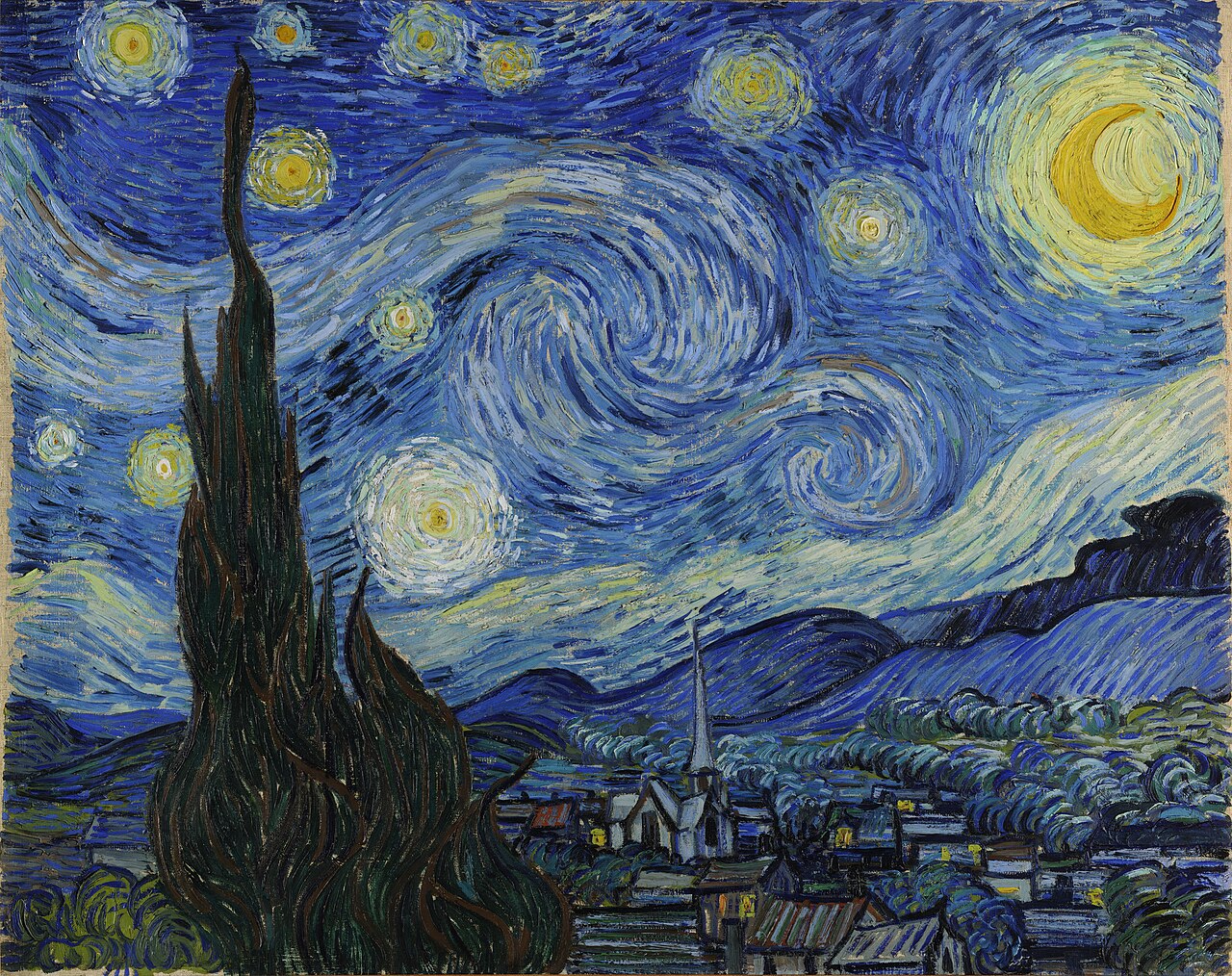
For more than a century, Vincent van Gogh The Starry Night has captivated art lovers worldwide with its swirling skies, radiant stellar bodies, and luminous crescent moon. Now, groundbreaking astronomical research suggests the iconic 1889 post-impressionist masterpiece may have been inspired by a real celestial event visible over southern France—challenging the long-held belief that its dramatic sky was purely a product of artistic imagination.
Published in the journal Scientific Reports, the study uses advanced astronomical modelling to propose July 22, 1889, as the possible date for the night sky captured on canvas. At the time, van Gogh was residing at the Saint-Paul-de-Mausole asylum near Saint-Rémy-de-Provence in southern France.
Astronomical simulations reveal Venus and the Hyades cluster
Researchers from South Korean space science firm SLLAB and Kyung Hee University reconstructed the celestial canopy directly above the hillside believed to correlate with the topography depicted in the artwork.
Their simulation revealed a rare, striking alignment featuring:
- Venus: Shimmering prominently in the night sky.
- The Crescent Moon: Resting in close alignment with surrounding bodies.
- The Hyades Star Cluster: A distinctive, V-shaped grouping within the constellation Taurus.
To test the correlation, the team applied statistical shape analysis to evaluate the relative geometric positions of five prominent stars painted by van Gogh against the actual coordinates of the Hyades cluster. Despite variances in artistic scale and orientation, the researchers uncovered mathematical similarities, indicating that van Gogh likely observed this specific planetary and stellar formation before capturing it through his expressive brushwork.
Challenging art history’s accepted timeline
The proposed late-July date directly confronts the traditional art-historical consensus that The Starry Night was completed in mid-June 1889.
The researchers note that during mid-June, lunar observations would have shown a considerably fuller moon. In contrast, the delicate crescent moon in The Starry Night matches the actual lunar phase recorded in late July 1889.
Furthermore, this timeline introduces new perspectives regarding van Gogh’s medical history. While historical records long suggested that a major debilitating seizure occurred in mid-July, the research team re-examined the artist’s personal correspondence and local meteorological data, suggesting the health episode may have occurred later in the month than previously recorded.
The intersection of artistic liberty and scientific reality
While the astronomical models offer a compelling narrative, independent scholars advise caution before rewriting art history completely:
- Creative Interpretation: Yongxiang Huang, a climate researcher at Xiamen University who was not involved in the project, praised the study as an engaging fusion of astronomy and historical investigation. However, he emphasized that artistic works often depart substantially from physical reality to reflect emotional expression and subjective interpretation.
- The Observation Debate: Ulrike Kuchner, an interdisciplinary researcher bridging art and science, welcomed the research as fascinating detective work but questioned whether astronomical simulations alone could determine the degree of direct observation versus studio embellishment.
The study’s authors openly acknowledge the limitations of fragmentary 19th-century weather logs and the difficulty of confirming when the canvas was started or finished. It remains plausible that van Gogh began conceiving the composition in June and later wove direct late-July night observations into the swirling sky.
Rather than stripping The Starry Night of its mystique, the discovery highlights how deep scientific observation and wild creative expression can coexist—reminding us that even our most transcendent art remains intimately anchored to the physical world.






Related Articles

FNB Named Africa’s Best Consumer Digital Bank For 2026
FNB has been named Africa’s Best Consumer Digital Bank for 2026 by...
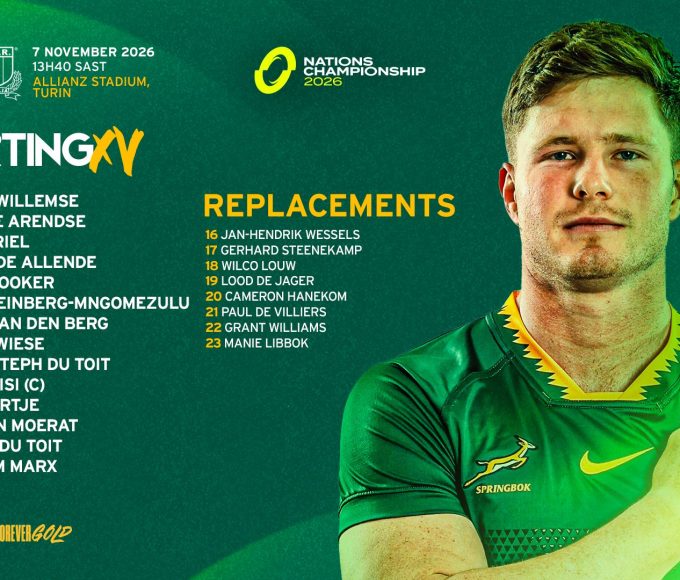
Springbok Team To Face Italy: Moerat Returns For Turin Clash
Salmaan Moerat will make his first Springbok appearance of the season after...

Jockey SS26 Collection Focuses On Lightweight Fabrics And Everyday Comfort
Jockey’s Spring/Summer 2026 collection puts soft, lightweight fabrics and smooth finishes at...



Voting Day Rules: What To Avoid At Your Voting Station
Protect your vote by taking the correct ID, checking your ballot papers...
