


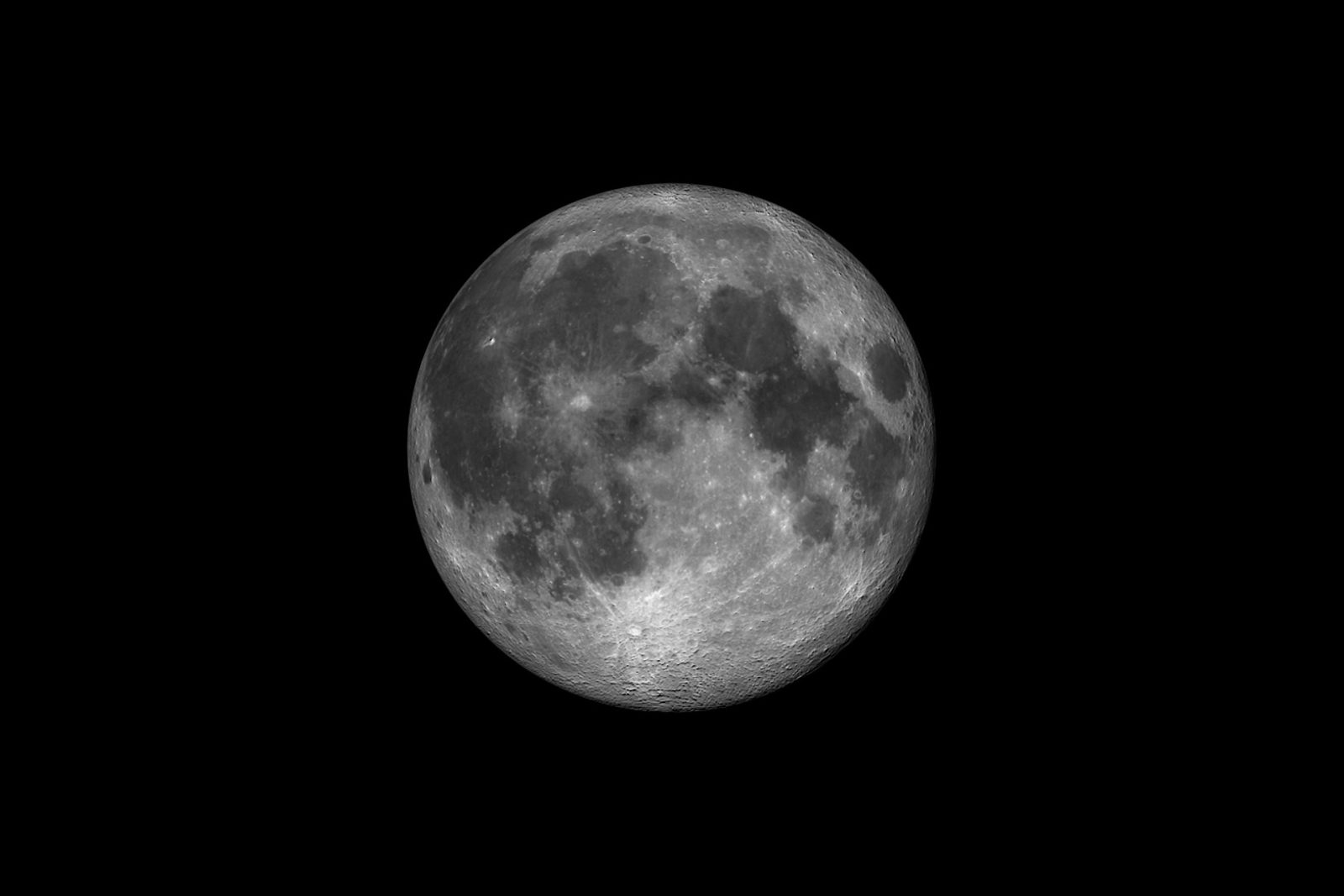
A discarded SpaceX Falcon 9 upper stage struck the moon on Wednesday, 5 August 2026, after spending about 18 months in space.
The impact occurred at approximately 06:35 GMT near the Einstein Crater on the moon’s sunlit western edge.
The empty rocket stage weighed about four tonnes and hit the lunar surface at approximately 5,400 mph, or 8,700 km/h.
Impact creates new lunar crater
NASA estimates that the collision created a crater measuring between 60 and 100 feet across and up to 16 feet deep.
The impact site is difficult to observe directly from Earth, and no clear images of the new crater have been captured.
Scientists are awaiting high-resolution images from NASA’s Lunar Reconnaissance Orbiter and South Korea’s Danuri orbiter.
Before-and-after images will help them assess how the collision changed the lunar surface.
Why the Falcon 9 stage hit the moon
The Falcon 9 launched in January 2025 and used its upper stage to push two privately operated lunar landers towards the moon.
The high-energy mission consumed much of the available fuel. This left the stage without enough control to enter a graveyard orbit or return to burn up in Earth’s atmosphere.
Solar radiation forces and the moon’s gravity gradually altered its path over the following 18 months, placing it on a collision course with the lunar surface.
Dust plume reveals sodium and lithium
The abandoned rocket stage posed no danger to Earth.
Astronomers used the impact to study what happens when an artificial object strikes the moon at high speed.
The Boston University Center for Space Physics detected sodium and lithium spectral lines in the dust plume created by the collision.
The plume remained visible for between five and 10 minutes.
Researchers linked the sodium to lunar soil, while the lithium likely came from components of the rocket stage.
Satellites expected to examine impact site
Images from the Lunar Reconnaissance Orbiter and Danuri orbiter are expected to provide a clearer view of the new crater.
Scientists will use the satellite observations to study the exact changes caused by the impact.








Related Articles

Albie Sachs’ extraordinary life comes to The Baxter stage
The extraordinary life and legacy of Albie Sachs will take centre stage...

Cape Town weather takes a turn as rain and cooler temperatures move in
Cape Town’s hot weather is about to give way to a cooler,...

Inverroche named Africa’s Leading Distillery Tour for third year running
Inverroche Distillery in Stilbaai has been named Africa’s Leading Distillery Tour 2026...



Is it really melasma? Why not all facial pigmentation is the same
Dark patches on your cheeks? Pigmentation above your upper lip? Uneven colour...
