


South African motorists are being warned about a growing surge in adulterated diesel, commonly known as “dirty diesel”, as reports of contaminated fuel continue rising across the country. Searches for “South Africa adulterated diesel warning” have spiked sharply online amid growing concern over vehicle damage and illegal fuel blending operations.
Industry experts, government investigations and fuel authorities say the practice is becoming increasingly widespread, particularly as diesel prices remain under pressure following global oil market instability.
According to Daily Investor, illegal diesel blending operations are becoming more sophisticated, with authorities uncovering multiple suspected illicit fuel depots across South Africa.
ALSO READ:
- Fuel price May 2026: 10 ways to save fuel now
- Jet fuel price increase in South Africa pushes flight costs higher
- Fuel price May 2026 confirmed: massive petrol and diesel hike
What is dirty diesel?
Adulterated diesel refers to diesel fuel that has been illegally mixed with cheaper substances to increase profits.
The most common additives include:
- paraffin
- kerosene
- industrial solvents
- lubricating oils
Experts say paraffin remains the most widely used adulterant because it is significantly cheaper than diesel and exempt from certain taxes and levies.
TopAuto reports that paraffin is frequently used because of the large price difference between regulated fuel products.
According to BusinessTech, some contaminated diesel mixtures discovered in South Africa allegedly contained more than 50% paraffin.
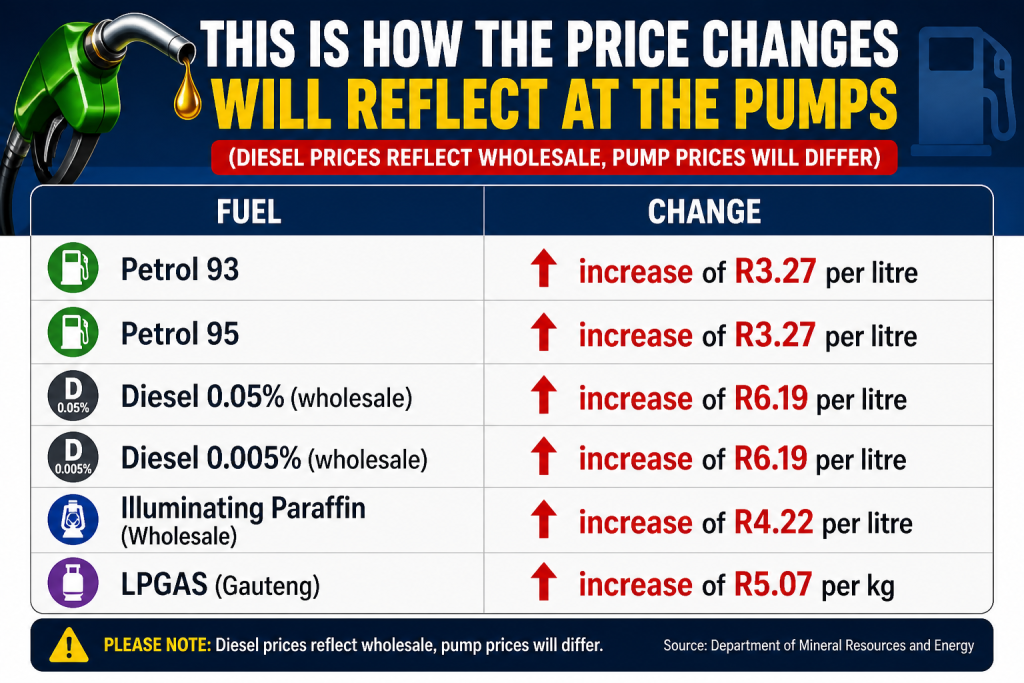
Why adulterated diesel is dangerous for your vehicle
Modern diesel engines rely heavily on clean fuel with proper lubrication properties.
Contaminated diesel strips away many of these protections, placing major stress on:
- fuel pumps
- injectors
- filters
- high-pressure fuel systems
Over time, this can lead to:
- rough idling
- sluggish acceleration
- excessive black smoke
- higher fuel consumption
- clogged filters
- injector failure
- severe engine damage
MyBroadband notes that continued use of contaminated diesel can result in repair costs running into thousands of rand.
Warning signs your diesel may be contaminated
Motorists are being urged to pay close attention to sudden changes in vehicle performance after refuelling.
Key warning signs include:
- unusual engine knocking
- loss of power
- poor acceleration
- rough idling
- increased smoke from exhausts
- difficulty starting
- unusually high fuel usage
According to PE Fuel Transport, contaminated diesel may also appear darker, cloudy or carry a stronger chemical smell than normal fuel.
Dirty diesel problem spreading across South Africa
Authorities say illegal diesel blending operations are becoming increasingly widespread.
Daily Investor reported that more than 100 suspected illicit fuel depots have been identified in provinces including Gauteng, Mpumalanga and Limpopo.
The South African Revenue Service has also conducted multiple raids targeting illegal fuel operations.
According to BusinessTech, SARS continues intensifying enforcement against illicit fuel trading operations.
Another report by BusinessTech stated that dozens of filling stations nationwide were allegedly found selling contaminated diesel mixed with illuminating paraffin.
How motorists can protect themselves
Fuel industry experts are urging South Africans to avoid suspiciously cheap diesel and only fill up at reputable service stations.
Motorists are advised to:
- use trusted branded fuel stations
- avoid unusually cheap diesel prices
- keep fuel receipts
- service diesel vehicles regularly
- stop driving immediately if engine performance suddenly changes
If contaminated fuel is suspected, experts recommend draining the tank as soon as possible and having the vehicle inspected by a trusted mechanic.
Channel Africa reports that fuel slips and proof of purchase could help motorists pursue insurance or legal claims linked to contaminated fuel damage.








Related Articles
South Africa faces unusually strong El Niño as SAWS warns of hotter, drier summer conditions
South Africa is already experiencing an exceptionally strong El Niño, with forecasts...
SASSA November 2026 grant payment dates could change due to elections
SASSA is reviewing its November 2026 social grant payment dates after Election...

Inside Manchester City’s £900m financial breaches as Premier League sanction looms
Manchester City artificially inflated revenues and reduced costs by more than £900...



Ford Tourneo Custom Titanium X AWD arrives in South Africa
Ford South Africa has expanded its premium people-mover range with the launch...
