


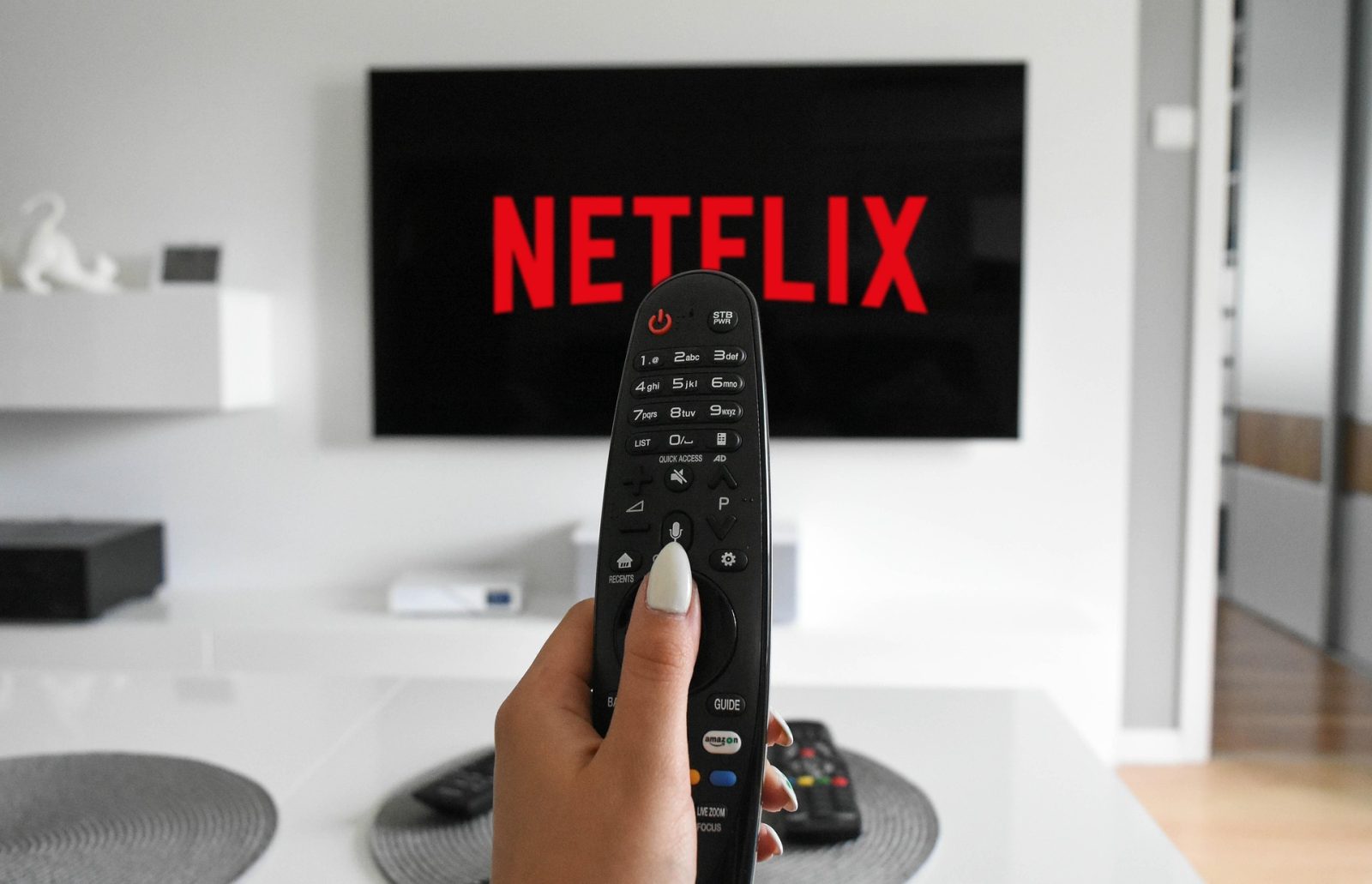
You still need a TV licence in South Africa even if you only watch Netflix
Thousands of South Africans are discovering they may still legally need a TV licence even if they only watch Netflix, YouTube or Disney+.
As frustration around outdated TV licence rules trends online, the SABC has clarified that simply stopping traditional TV viewing does not exempt someone from paying.
The topic started trending after reporting by IOL Business highlighted how South Africa’s TV licence laws still apply to many households using smart TVs mainly for streaming services.
The SABC says streaming-only viewers still need a TV licence
According to the SABC, what a television is used for is legally irrelevant.
The broadcaster says:
- watching Netflix
- streaming YouTube
- gaming
- watching downloaded videos
does not automatically exempt someone from paying a TV licence.
As long as a person possesses television receiving equipment, a licence remains payable under current regulations.
That means many South Africans using smart TVs purely for streaming could still legally require a TV licence.
Why this is making people angry
The issue has sparked major debate online because many consumers believe the rules no longer reflect how people watch entertainment in 2026.
South Africans increasingly rely on:
- Netflix
- Disney+
- YouTube
- Prime Video
- streaming apps
instead of traditional television broadcasting.
Many people argue they:
- never watch SABC channels
- do not use satellite TV
- only use smart TVs for internet streaming
Yet the current rules still treat many of those TVs as licensable equipment.
Searches including:
- “Do I need a TV licence for Netflix?”
- “Cancel TV licence South Africa”
- “TV licence for smart TV”
- “How to stop paying TV licence”
have surged across Google.
The only legal ways to stop paying
According to the SABC, there are currently only a few ways to legally stop requiring a TV licence.
These include:
- selling the television
- disposing of the television
- “denaturing” the television
What does “denaturing” a TV mean?
The SABC says a television becomes exempt only if its tuner or signal receiver is physically removed.
Without a tuner, the television can no longer receive broadcast signals.
However, the process is stricter than many people realise.
According to the broadcaster:
- written notice must be submitted
- proof from a recognised TV repair technician is required
- a R300 inspection-related payment applies
- the SABC may send an inspector to verify the equipment
If approved, the exemption reportedly applies only for the remainder of the licence period.
To continue the exemption:
- annual affidavits may still need to be submitted
- applications should reportedly be made before each licence year ends
The SABC also warns that if the tuner is later restored, licence holders could become liable for:
- outstanding TV licence fees
- penalties
- additional inspection fees
You cannot cancel while money is still owed
Another point surprising many South Africans is that TV licences are reportedly not cancelled while money remains outstanding.
According to the SABC:
- unpaid balances must first be settled
- cancellation requires official notification and affidavit processes
This has become another major frustration point among consumers online.
Are any people exempt?
The SABC says public schools are currently the only educational institutions exempt from paying TV licence fees.
According to the broadcaster, the following are not automatically exempt:
- private schools
- universities
- tertiary institutions
- hospitals
- churches
- charities
- old-age homes
Why this story is trending now
The debate around TV licences continues intensifying as South Africans question whether legislation designed decades ago still makes sense in a streaming-first era.
With smart TVs now functioning more like internet devices than traditional broadcast televisions, many consumers believe the rules should change.
For now, however, the SABC maintains that owning television receiving equipment still legally requires a licence, even if the screen is mainly used for Netflix.







Related Articles

South Africa faces unusually strong El Niño as SAWS warns of hotter, drier summer conditions
South Africa is already experiencing an exceptionally strong El Niño, with forecasts...
SASSA November 2026 grant payment dates could change due to elections
SASSA is reviewing its November 2026 social grant payment dates after Election...

Inside Manchester City’s £900m financial breaches as Premier League sanction looms
Manchester City artificially inflated revenues and reduced costs by more than £900...


Ford Tourneo Custom Titanium X AWD arrives in South Africa
Ford South Africa has expanded its premium people-mover range with the launch...
