



You might be earning a decent salary, paying your bills and keeping your household running, but still find yourself lying awake at night worrying about money.
For many South Africans, financial stress isn’t just about how much money they have. It’s also about the constant mental effort of planning expenses, making difficult decisions and supporting family members who depend on the same income.
As South Africa marks Mental Health Awareness Month, research highlights just how widespread these worries have become.
A 2025 index surveying 6,800 South Africans with healthy income levels found that 42% are constantly worried about money, while 29% say financial pressure has negatively affected their mental health, sleep, productivity and relationships.
Tali Anderssen, Legal and Compliance Executive at RCS, says the findings show that financial stress is not limited to people experiencing severe money problems.
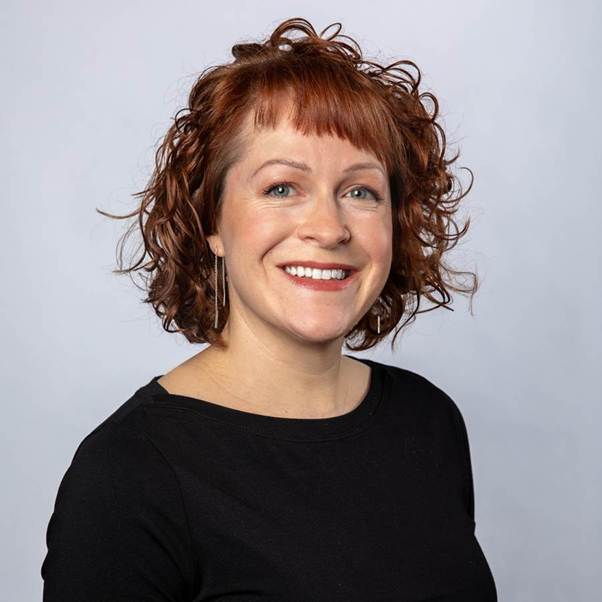
“Many of us spend a significant amount of mental energy thinking about money every day, whatever our financial position,” says Anderssen. “The root of that worry is rarely a single problem. It’s the ongoing job of juggling competing priorities and not knowing what’s coming next.”
The hidden mental load of managing money
Anderssen describes this ongoing pressure as the mental load of money, the time and energy spent managing finances every day, month and year.
She identifies three types of mental pressure that can make financial responsibilities feel overwhelming.
1. The planning load
This involves constantly thinking ahead to upcoming expenses, from school fees and transport to festive season spending, unexpected costs and longer-term financial goals.
For many households, there is always another expense to prepare for and the lingering question of whether there will be enough money when it arrives.
2. The decision load
Every month brings decisions about what needs to be paid immediately, what can wait and how to balance current needs with future responsibilities.
Although individual decisions may seem small, making them repeatedly can become mentally exhausting.
3. The responsibility load
For many South Africans, this may be the heaviest burden.
Financial responsibilities often extend beyond one household, with people supporting parents, siblings and extended family while managing their own expenses.
When your salary supports more than one household
“We live in a society where money often stretches far beyond one person or household,” says Anderssen. “Many people support parents, siblings or extended family while managing their own financial commitments. It’s something they do willingly and with pride, but it adds up when several people depend on the same income.”
Helping to cover a family funeral, contributing towards a nephew’s school fees or finding enough money to get through January can all add to the pressure.
These responsibilities are familiar to many South African families, yet they are not always reflected in broader conversations about financial wellbeing.
The result is that even people who earn a stable income may feel constantly stretched.
3 ways to reduce financial stress
“You can’t remove every money pressure, but you can reduce how much headspace it takes up,” says Anderssen.
She recommends three practical steps to make financial responsibilities easier to manage.
1. Set aside time for a weekly money check-in
Instead of worrying about your finances throughout the week, choose one regular time to review your money.
Start by identifying essential expenses that must be paid first.
If your income varies from month to month, Anderssen recommends budgeting around a quieter month and treating any additional income as a bonus.
Having a dedicated time to review finances can help turn constant worrying into a manageable task.
2. Decide how much you can contribute to family support
Supporting loved ones can be important, but repeated requests for financial help can create pressure when they aren’t planned for.
Anderssen suggests deciding in advance how much you can realistically contribute each month.
Communicating that amount to family members can help reduce the stress of making a new financial decision whenever someone needs assistance.
3. Build an emergency fund, even if you start small
Unexpected expenses are often unavoidable, but having some money set aside can provide breathing room.
Anderssen encourages people to save whatever they can afford, even if the amount is modest.
Where possible, moving money into savings on payday can make saving part of a regular routine rather than another decision to make later.
When money worries begin affecting your mental health
Financial pressure is part of everyday life for many households, but Anderssen stresses that ordinary money worries should not automatically be confused with mental illness.
“But if money worries start affecting your sleep, your relationships or how you get through the day, please talk to someone. Support is available, and you don’t have to carry it alone.”
She also encourages people experiencing persistent stress or anxiety to seek assistance.
“For anyone who feels constantly stressed, anxious or overwhelmed, support is available. Organisations such as the South African Depression and Anxiety Group (SADAG) provide free mental health support services and resources that can help people access the assistance they need.”
Where to get free mental health support in South Africa
The South African Depression and Anxiety Group (SADAG) provides free, confidential mental health support.
- SADAG Mental Health Line: 011 262 6396
- Operating hours: 8am to 8pm, every day
- 24-hour Suicide Crisis Helpline: 0800 567 567
- Website: www.sadag.org
RCS also supports its employees through an ongoing partnership with Lyra Southern Africa, providing employee assistance that includes 24/7 access to wellbeing resources and services for personal, emotional and financial challenges.
For Anderssen, improving financial wellbeing does not necessarily begin with earning more money.
“Financial wellbeing is not about having all the answers,” concludes Anderssen. “It’s about understanding your circumstances, making informed decisions and feeling more confident about the road ahead. Often, reducing the mental load of money starts not with earning more, but with creating greater clarity and control over what you already have.”









Related Articles

Peugeot Landtrek gets more power, technology and towing capacity in South Africa
Peugeot has expanded its Landtrek bakkie range in South Africa with a...

Top Billing Presenter Search 2026: Meet the five finalists
The search for South Africa’s next Top Billing presenter is down to...

Twyg Sustainable Fashion Awards 2026 open for nominations with R100,000 prize
Nominations are open for the 2026 Twyg Sustainable Fashion Awards, celebrating designers,...



Belinda Davids to star in The Bodyguard Musical in South Africa in 2027
South African singer Belinda Davids will take on the iconic role of...
