


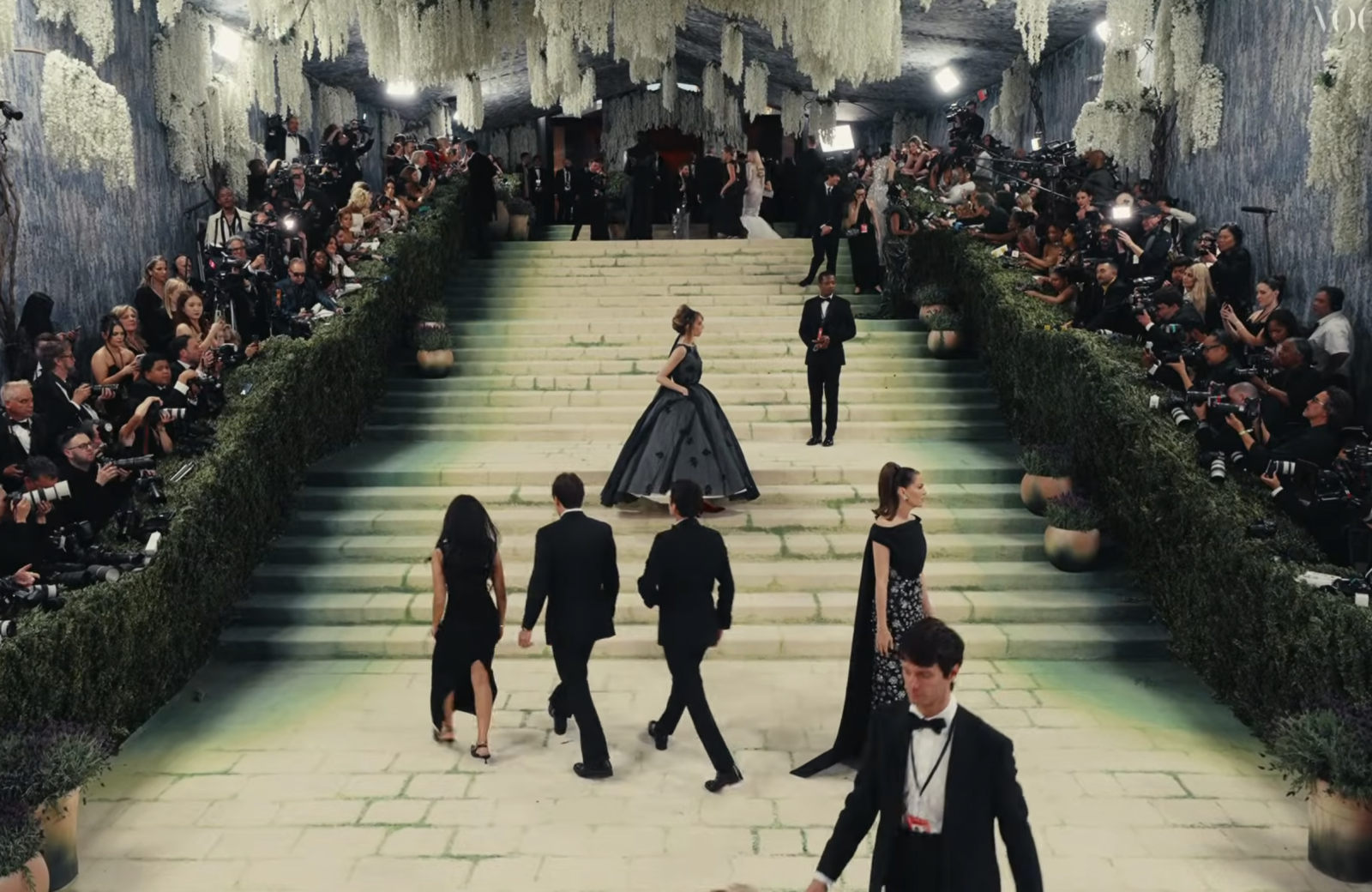
The Met Gala 2026 delivered high-impact fashion, global attention and notable controversy, reinforcing its place as one of the most influential nights in culture.
This year’s event ties closely to the Costume Art exhibition at the Metropolitan Museum of Art, which explores how the dressed body has been represented across more than 5 000 years of art and history.
ALSO READ: Beyoncé to Co-Chair the Met Gala 2026
A theme built on the human form
According to the Metropolitan Museum of Art, the “Costume Art” exhibition examines a “series of thematic body types”, ranging from the “Naked Body” and “Classical Body” to often overlooked forms such as the “Pregnant Body” and “Aging Body”.
This concept shaped the red carpet. As noted by Vogue, many of the standout looks focused on silhouette, with designers using structure to enhance or conceal the body. The result was fashion that told a story, rather than simply showcasing style.
Global audience tunes in
The Met Gala continues to expand its digital reach. The official livestream has already recorded over 10.7 million views on YouTube, reflecting growing global interest in the event.
Coverage was led by Emma Chamberlain, alongside Ashley Graham, La La Anthony and Cara Delevingne, who guided viewers through the red carpet moments.
Star power drives the night
The event was co-chaired by Beyoncé, Nicole Kidman, Venus Williams and Anna Wintour.
A wider host committee included figures such as Zoë Kravitz, Angela Bassett, Doja Cat and Sam Smith, reflecting the event’s reach across industries.
Heidi Klum’s look steals attention
One of the most talked-about looks came from Heidi Klum, who transformed herself into a living statue.
According to The Independent, Klum channelled classical Greek sculpture with a full-body transformation, including grey contact lenses and prosthetics, turning herself into a stone-like figure. The look aligned closely with the exhibition’s focus on the human form.
Backlash over honorary chairs
The event also faced criticism linked to its honorary chairs, Jeff Bezos and Lauren Sánchez Bezos.
According to The New York Times, their involvement drew significant public and celebrity pushback.
ALSO READ: The Met Gala 2026 Theme Pushes Creativity Into New Territory
Reports suggest:
- Some high-profile figures chose not to attend
- Activists staged protests across New York
- Criticism centred on political ties and labour concerns
The controversy became a major talking point alongside the fashion itself.
More than just a red carpet
The Met Gala continues to evolve beyond fashion.
It now operates at the intersection of:
- Cultural storytelling
- Celebrity influence
- Social and political discourse
This year’s event showed how quickly attention can shift from style to substance.
What this means
The 2026 Met Gala reinforced its role as a global platform where fashion, identity and public opinion collide.
The conversation is no longer limited to what is worn, but extends to what it represents.
Why this matters
Events like the Met Gala shape global trends and influence how fashion is understood.
They also reflect broader conversations happening in society, making them relevant far beyond the industry itself.








Related Articles

Rental dispute? South Africans can use this free service to resolve landlord and tenant complaints
Locked out of your rental home, struggling to get your deposit back...

iCAUR V27 promises 150km electric range and more than 1 000km combined
An electric-only range of up to 150km and more than 1 000km...
Welvaartskeppers: New kykNET series reveals how South Africans built their wealth
What does it really take to build wealth in South Africa? A...


Tightening, lifting or contouring? How to know which aesthetic treatment you actually need
Your jawline looks softer, your cheeks seem to have dropped or your...
