



South Africa’s mobility sector enters 2026 under pressure. Rising living costs, volatile fuel prices, and the need for supplementary income are reshaping how platforms operate. Growth now depends less on scale and more on stability, fairness and trust.
According to Ashif Black, country representative for inDrive South Africa, the market has reached a turning point. Sustainable operations are no longer optional. They are the baseline.
“Sectors that survived after 2022 were those that tightened governance, focused on consistency and built models that support long-term participation,” says Black. “Platforms that failed to adapt fell away. What remains is a more disciplined market.”
From inDrive’s perspective, the response has been practical. The platform has invested in improved pickup-time forecasting, more predictable driver payouts and clearer fare structures. These changes aim to support both drivers and riders in a market where reliability matters more than ever.
Here are the key mobility trends inDrive expects to shape 2026.
A stronger focus on driver earnings and fairness
Driver income security will sit at the centre of platform choice in 2026. As more households rely on ride-hailing for income, predictability and transparency are becoming non-negotiable.
“Platforms that combine fair pricing with consistent payouts will support driver livelihoods and retain rider trust,” says Black. “Fairness is no longer a brand message. It’s a survival factor.”
Drivers are showing a clear preference for services where earnings feel stable, commissions are transparent, and fare logic is easy to understand. Platforms that fail to meet these expectations risk losing supply.
Cashless payments and reduced friction
Payments will continue shifting away from cash. Speed, safety and reliability now outweigh habit.
“Drivers and riders want fewer delays and less risk,” says Black. “Instant EFTs, mobile wallets and low-data solutions matter.”
inDrive recently introduced Light Cashless, a direct bank transfer option designed to reduce reliance on cash while supporting safer, more predictable driver earnings. Payment systems that remove friction also help drivers work more efficiently, especially during long shifts.
Safety, realism and reliable technology
Safety remains a priority, but the approach is changing. Predictive tools that flag potential risks before incidents occur will play a larger role in platform trust.
Operational realism also matters. Apps must work reliably on mid-range smartphones. Pickup-time estimates need to reflect real conditions. Connectivity gaps must be accounted for.
“These details shape daily experience,” says Black. “If technology fails drivers in real-world conditions, trust erodes quickly.”
Price sensitivity shapes platform loyalty
South African riders remain highly price-conscious. Inflation, fuel costs and transport budgets influence every booking decision.
Platforms that treat price sensitivity as usable data rather than noise will perform better. This includes transparent commissions, negotiated fares and pricing models that reflect actual behaviour.
“Choice and fairness are central,” says Black. “Drivers and riders value platforms that acknowledge economic reality and share value more equitably.”
Resilient growth over rapid expansion
The coming year points to a quieter but more durable phase for mobility. Instead of aggressive expansion, platforms are prioritising efficiency, trust and practical innovation.
Future growth will depend on disciplined operations, fair economics and technology that works where people actually live and drive. In 2026, resilience will define success in South Africa’s mobility sector.




Related Articles
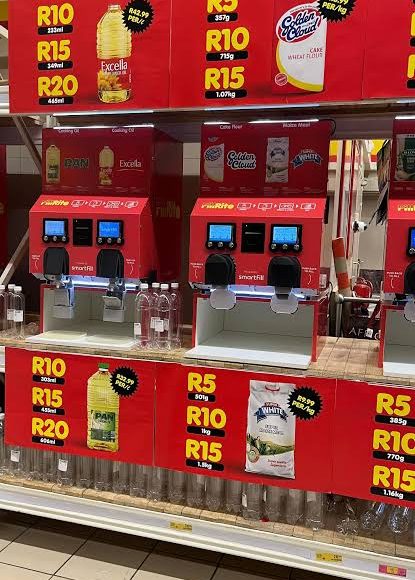
Shoprite tests FillRite refills that let shoppers buy essentials from R5
What if you only have R5 for cooking oil, sugar or another...

DStv shakes up packages: Here’s what you’ll pay from 17 September
DStv is overhauling its packages for the first time in 15 years,...

Eskom wants an 8.83% electricity price hike from April 2027
South Africans could face another electricity price increase next year, with an...



Takealot shoppers now need to spend R750 to qualify for free delivery
Takealot shoppers will have to put a little more into their baskets...
