


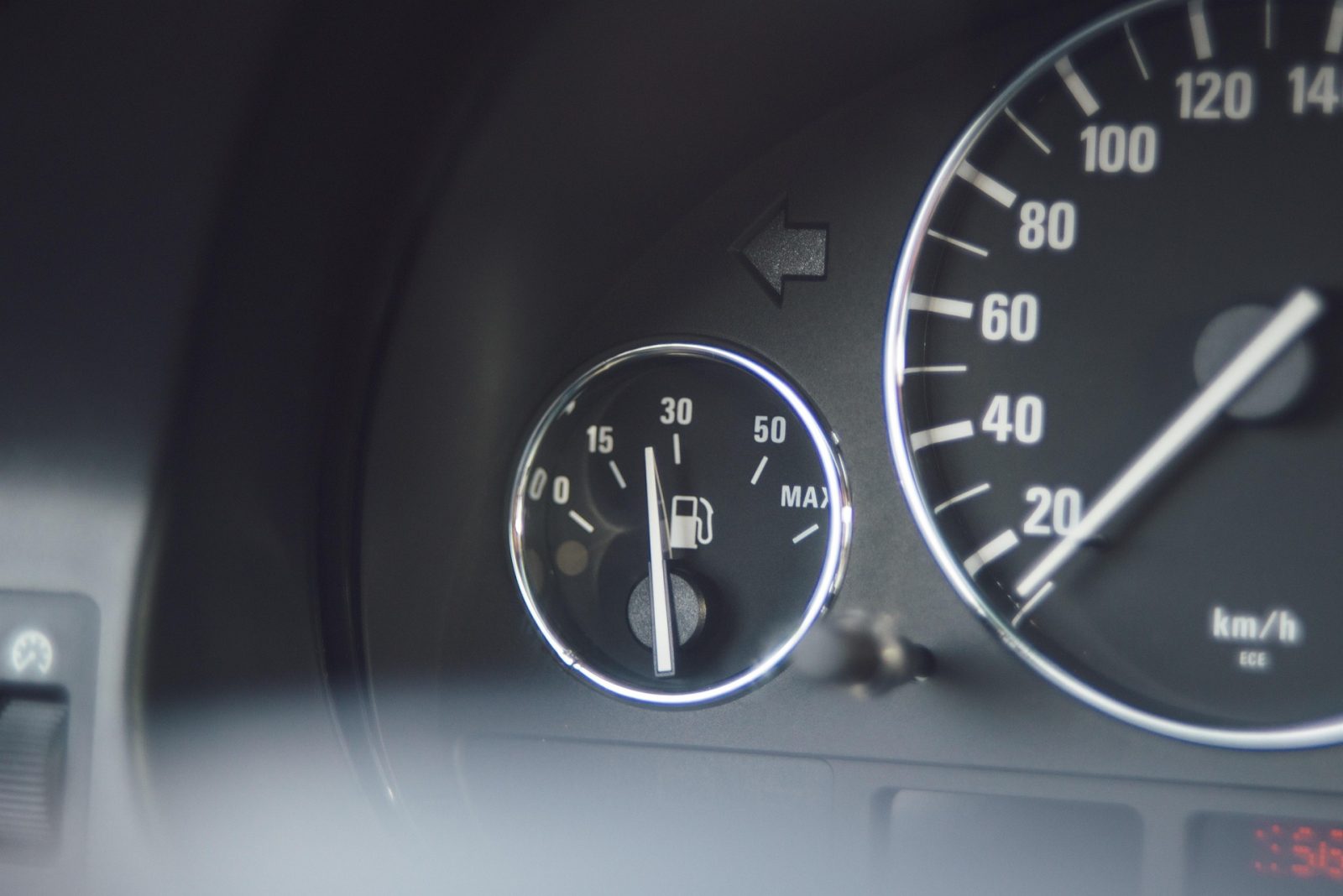
South African motorists are set to feel renewed pressure at the pumps after the National Treasury confirmed that the temporary General Fuel Levy relief introduced earlier this year will officially begin phasing out from June 2026.
The emergency fuel tax relief, initially introduced in April to cushion consumers from soaring global oil prices linked to Middle East geopolitical tensions, will now be gradually withdrawn over a two-month period.
The move is expected to trigger another sharp increase in petrol prices, although diesel users could still receive some relief due to favourable international market conditions.

Government begins phasing out fuel tax relief
The temporary levy reduction formed part of government efforts to soften the impact of rapidly rising international oil prices earlier this year.
In April, National Treasury introduced a major R3.00 per litre cut to fuel taxes, with diesel relief later increasing to R3.93 per litre in May, effectively reducing the active diesel levy to zero.
However, Treasury has now confirmed that the relief programme is ending as government moves to rebalance the national budget.
Related Articles:
- South Africans face massive fuel price increase for June
- Adulterated diesel warning South Africa: The signs your fuel could be contaminated
- Fuel price May 2026: 10 ways to save fuel now
How the fuel levy phase-out will work
June 2026: First phase begins
From Wednesday, 3 June 2026, half of the temporary tax relief will be removed:
- Petrol levy increases by R1.50 per litre
- Diesel levy increases by R1.97 per litre
July 2026: Full return to standard fuel levies
From 1 July 2026, the fuel tax holiday officially ends completely, with levies returning to their normal baseline rates.
Petrol levies are expected to return to around R4.10 per litre.
Expected June fuel price impact
The phased withdrawal creates mixed expectations for petrol and diesel users.
Petrol prices expected to rise sharply
International fuel recoveries have not been strong enough to fully offset the returning tax burden.
Current projections suggest motorists could face:
- Petrol price hikes of around R1.40 to R1.65 per litre
This means inland petrol prices could move back toward record territory once again.
Diesel users could still see relief
Despite the levy increase, diesel prices are expected to benefit from strong international over-recoveries.
As a result, diesel motorists may still see:
- Net diesel price cuts of roughly R2.00 to R3.00 per litre
This comes after diesel prices surged to historic highs earlier this year.
Why fuel prices remain volatile
Fuel prices continue responding to several global and local pressures, including:
- Middle East geopolitical instability
- rising Brent crude oil prices
- shipping and supply chain disruptions
- rand-dollar exchange rate weakness
- international commodity market volatility
South Africa’s fuel pricing structure remains heavily influenced by both global oil prices and local taxes and levies.
Rising pressure on South African households
Higher petrol prices are expected to place additional strain on households already dealing with:
- rising food costs
- elevated transport expenses
- electricity price increases
- high interest rates
- broader inflation pressures
Economists continue warning that fuel price increases often ripple through the wider economy, increasing the cost of goods and services across multiple sectors.
Official announcement still pending
The Department of Mineral and Petroleum Resources is expected to officially confirm the final June 2026 fuel price adjustments shortly before they take effect on the first Wednesday of June.
The final pricing will depend on:
- the latest oil market movements
- the rand exchange rate
- month-end recovery calculations
The bottom line
South Africans are set to lose a major layer of fuel price protection from June as government phases out its temporary fuel levy relief programme.
While diesel users may still receive some short-term relief, petrol motorists are bracing for another painful increase at the pumps.








Related Articles
South Africa faces unusually strong El Niño as SAWS warns of hotter, drier summer conditions
South Africa is already experiencing an exceptionally strong El Niño, with forecasts...
SASSA November 2026 grant payment dates could change due to elections
SASSA is reviewing its November 2026 social grant payment dates after Election...

Inside Manchester City’s £900m financial breaches as Premier League sanction looms
Manchester City artificially inflated revenues and reduced costs by more than £900...



Ford Tourneo Custom Titanium X AWD arrives in South Africa
Ford South Africa has expanded its premium people-mover range with the launch...
