


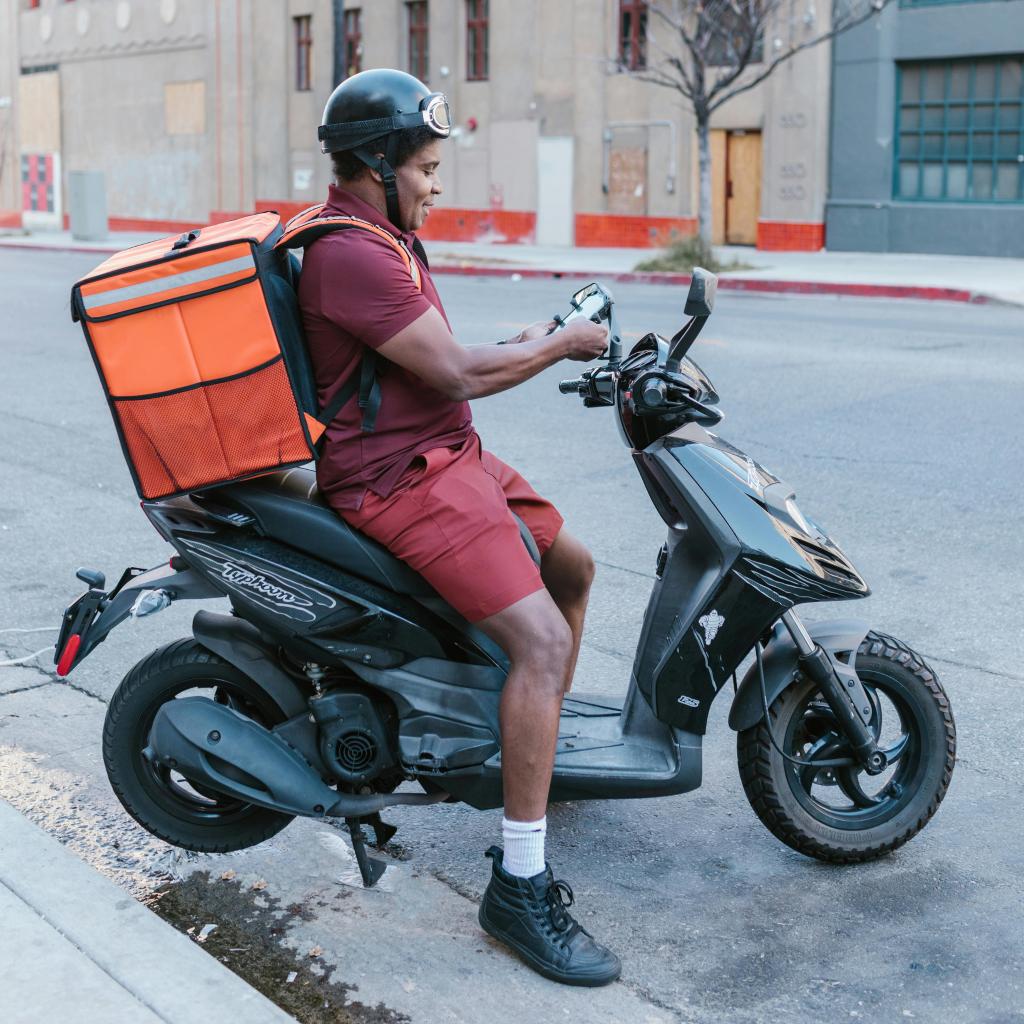
In an alarming turn of events, delivery bike riders in South Africa face a deadly new threat on the roads.
Unconfirmed reports indicate that criminals are strategically positioning thin cables across roadways at shoulder height, leading to severe injuries and even fatalities among unsuspecting riders. With the increasing prevalence of bike deliveries, particularly in urban areas, the situation has raised urgent concerns regarding the safety of these vulnerable workers.
Eugene Herbert, CEO of MasterDrive, has been sounding the alarm about this worrying trend.
“What is particularly difficult about targeting riders in this way is that it can be extremely difficult to spot the danger. Additionally, while MasterDrive can advise drivers to stay off the road at night whenever possible, riders, especially food delivery riders, derive an income from this and avoiding night driving is not feasible. Unfortunately, while there is no absolute way to protect oneself from this threat, risk can be reduced,” he said, emphasising the need for riders to be cognisant of their heightened dangers.
Herbert’s tips for drivers:
Avoid dimly lit areas: Whenever possible, take longer routes that are well-lit and frequented by other vehicles.
Adjust your speed: Reduce your speed, especially in dimly lit or high-crime areas, to improve your chances of seeing the concealed wires.
Ride behind vehicles: As criminals often leave the wire loose for larger vehicles, riding behind a car can provide an additional safety buffer.
Avoid a one-track mind: Focus on reaching your destination safely rather than quickly—stay vigilant for potential dangers on the road.
If you notice something, say something: Report any suspicious activities or near-miss incidents to the authorities promptly.
Undertake training: Enhance your road awareness and build the skills necessary for evasive action.
Be roadworthy: Ensure that your bike’s lights and equipment are functioning correctly to enhance visibility and safety.
Beyond individual precautions, Herbert calls on organisations employing these riders to take the threat seriously.
“Businesses must ensure their riders receive training to manage a variety of situations they might encounter on the road, and they should conduct regular roadworthy checks on delivery bikes,” Herbert explained.
He further recommends that fleet owners take the additional step of upgrading bike lighting to improve visibility.
Drivers sharing the road with delivery bike riders also play a crucial role in promoting safety.
“Each person in society has a responsibility to do whatever possible to help riders not become victims of this horrific crime,” Herbet concluded.




Related Articles

Small but Luxe: The Rise of Cape Town’s Independent Hotels
A Big City With Boutique Charm Cape Town has long held global...

Classic Cars Shine at Creative Rides Auction
This past Saturday, the Creative Rides showroom in Bryanston revved to life...

Cici Returns With Powerful New Album Busisiwe 2.0
South Africa’s platinum-selling songstress Cici is back — stronger, bolder, and more...


Junior Boks Claim U20 World Title with Grit, Gees and Glory
South Africa’s next generation of rugby heroes made history on Saturday night...
