


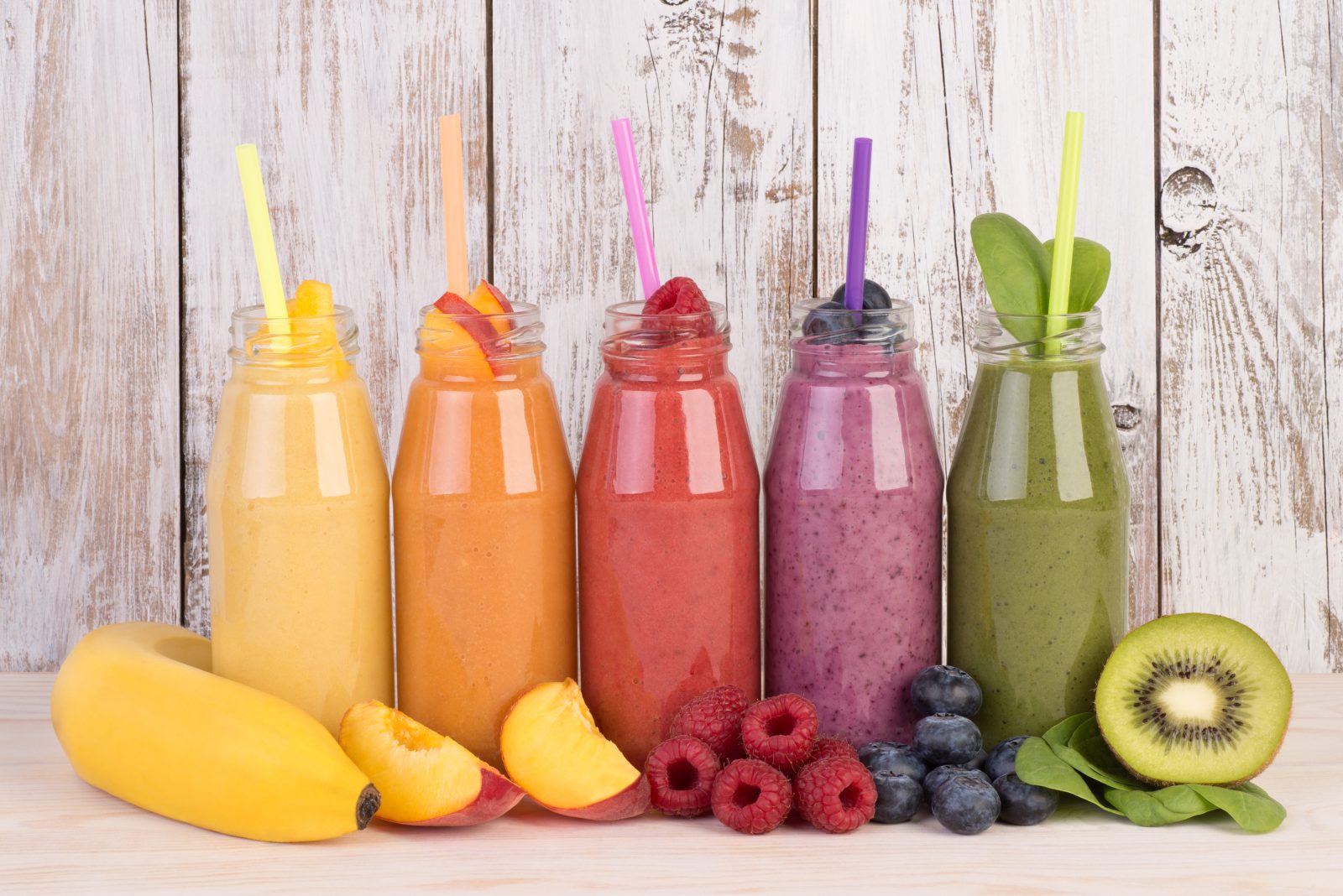
Let’s be honest: Summers are made for excess — braais that go on late, sundowners that never truly end, and the kind of festive spirit that doesn’t stop for hydration.
By Milou Staub
The babalas smoothie is the body’s gentle way of calling a truce. Combining science with local flavour, it’s become the unofficial remedy for overindulgence.
THE SCIENCE OF RECOVERY
A babalas (Zulu slang for hangover) mainly involves dehydration, sugar imbalance, and mild inflammation. The remedy: rehydration and nutrient replenishment. This smoothie’s base of chilled rooibos tea does most of the work, offering a caffeine-free yet rich source of antioxidants and natural electrolytes. Add banana for potassium, pineapple for its anti-inflammatory enzyme bromelain, and naartjie or orange for a vitamin C boost. Greek yoghurt provides protein and probiotics, which help ease digestion and prevent blood sugar spikes.
THE LOCAL SUPERFOODS
The new wave of babalas blends is refreshingly South African. Instead of imported powders, many cafés use baobab (a natural source of fibre and vitamin C), moringa (rich in iron and amino acids), or honey harvested from fynbos hives. A teaspoon of these adds both nutrition and a sense of place. Even a pinch of Himalayan or Kalahari salt helps restore sodium levels lost to dehydration.
WHY IT WORKS
Nutritionists say the smoothie meets all three recovery needs: fluid, glucose, and electrolytes – without the chemical load of energy drinks. It also serves as a pre-workout or post-run boost. Once a tongue-in-cheek hangover cure, it has now become part of South Africa’s broader wellness routine, appearing everywhere from farm stalls to boutique hotel breakfast bars.
TRY THIS:
Blend one frozen banana, ½ cup pineapple, ½ cup Greek yoghurt, 1 cup cold rooibos, 1 tablespoon baobab powder, a drizzle of fynbos honey, and a pinch of salt. Sip slowly, then enjoy some sunshine.




Related Articles
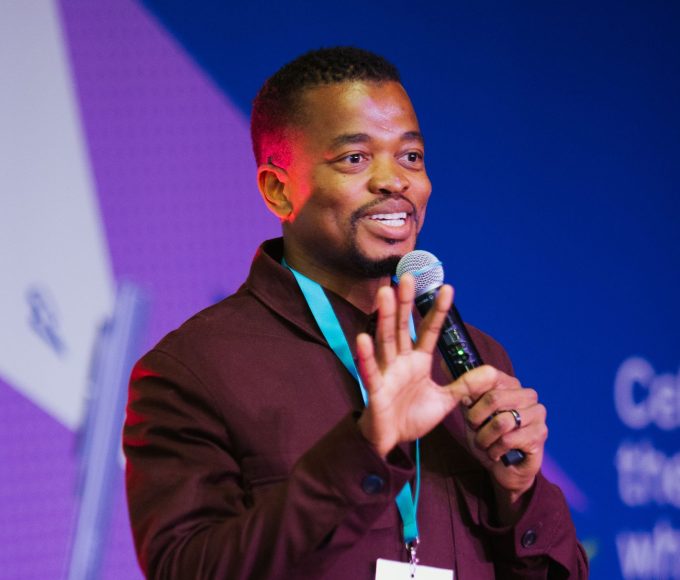
Mpho Popps to Host 2026 Content Creator Awards
Mpho “Popps” Modikoane will host the 2026 Content Creator Awards, bringing his...
Rassie Names Springbok Team to face All Blacks
Rassie Erasmus has named his Springbok team for the opening Rugby’s Greatest...
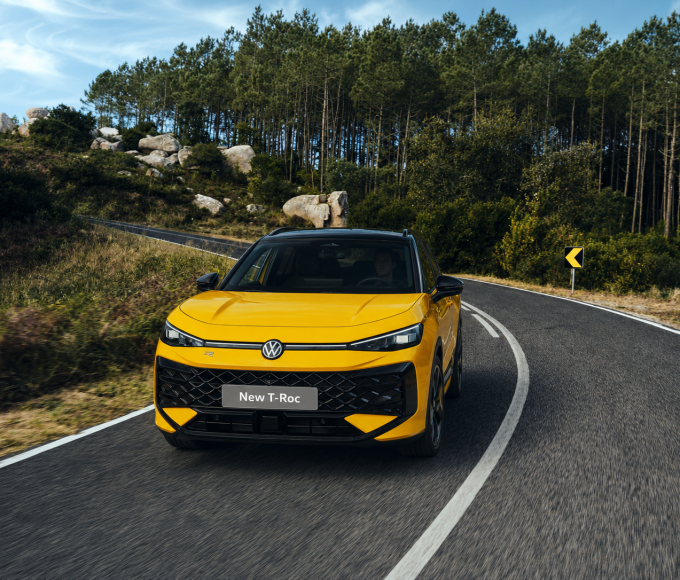
Volkswagen Opens Pre-Orders for New T-Roc in South Africa
Volkswagen has opened pre-orders for the second-generation T-Roc ahead of its South...


European Film Festival SA Returns With 12 Acclaimed Films
The European Film Festival South Africa returns for its 13th edition from...
