


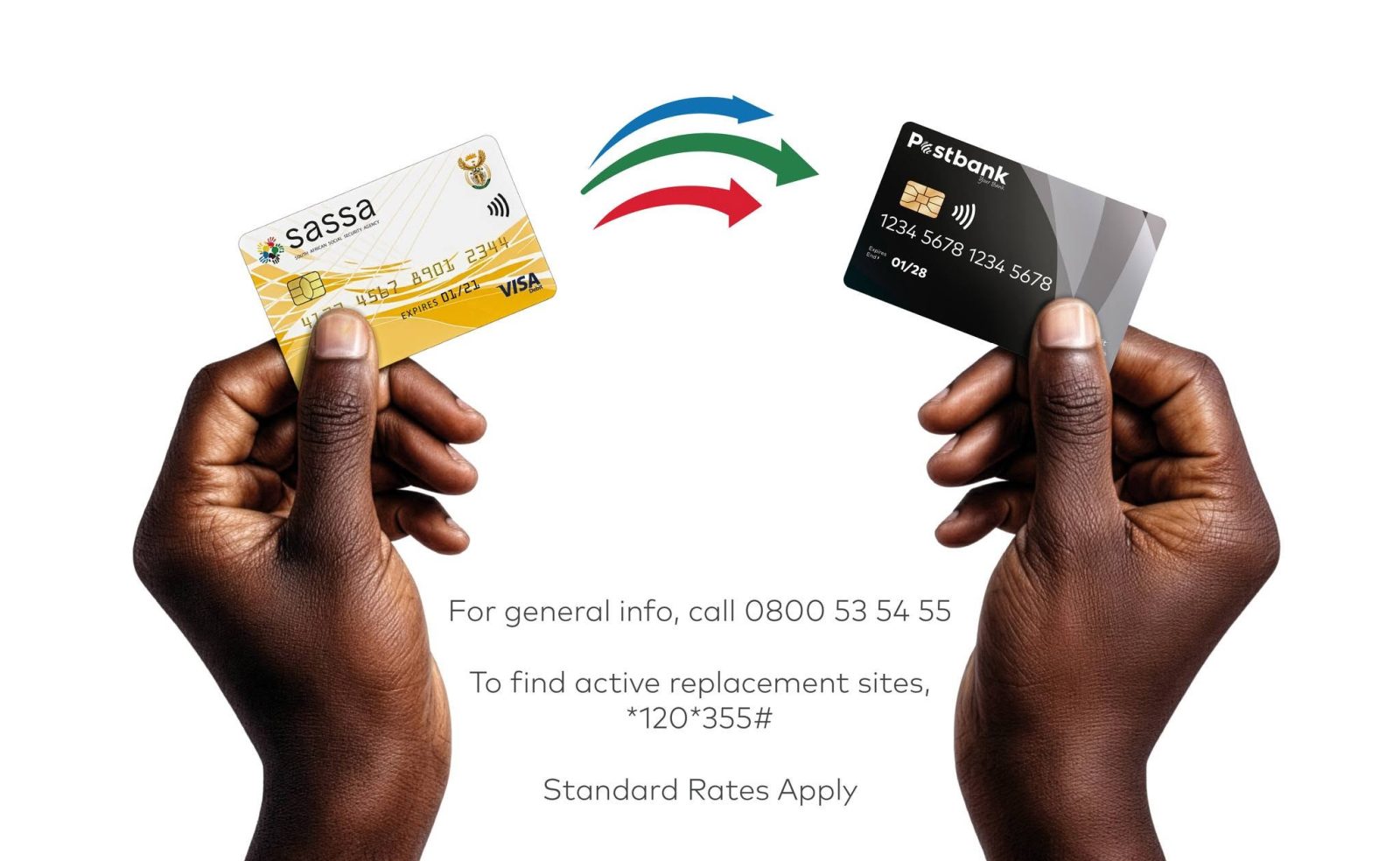
The South African Social Security Agency (SASSA) has warned social grant beneficiaries that frequently changing their banking details could result in delayed or rejected grant payments.
The agency says it has noticed an increase in the number of beneficiaries repeatedly changing their nominated payment methods and bank accounts.
While beneficiaries have the right to choose how they receive their grants, SASSA is urging them to avoid unnecessary changes that could disrupt their monthly payments.
The warning is particularly important for beneficiaries who change their banking details shortly before SASSA processes payments.
Your SASSA grant could be delayed
According to SASSA, changing bank accounts too close to its payment processing dates could mean beneficiaries miss the cut-off for the next payment cycle.
This may result in their grants being paid later than expected.
Payments can also be rejected and returned if the banking details provided are incorrect or if a new bank account has not been fully activated and verified.
In these cases, beneficiaries may be left without access to their grant money until the problem has been resolved.
SASSA is therefore encouraging beneficiaries to keep their existing banking arrangements wherever possible and only make changes when necessary.
SASSA explains the risks of frequent bank account changes
Every time a beneficiary changes their banking details, SASSA must verify the new information.
These checks are intended to protect beneficiaries and public funds against fraud and identity theft.
However, repeated changes require additional time, staff and system resources.
SASSA says the growing number of banking detail changes can also lead to:
- Higher administrative costs
- Increased enquiries from beneficiaries
- Additional pressure on SASSA service points
- Longer queues
- More time spent processing and verifying banking information
The agency believes reducing unnecessary account changes will help it direct limited resources towards improving grant services.
Changing bank accounts will not cancel your debts
SASSA has also raised concerns about beneficiaries who change bank accounts because of existing financial obligations, including loans and debit arrangements.
The agency has reminded beneficiaries that opening a new bank account does not remove their responsibility to repay money owed to lenders or other creditors.
Beneficiaries are encouraged to understand the terms of their agreements with financial institutions and other service providers before making financial decisions.
Those experiencing difficulties with loan repayments or other financial commitments are advised to seek appropriate financial advice and engage directly with their financial institutions.
SASSA encourages beneficiaries to keep banking details stable
Beyond reducing payment disruptions, SASSA says maintaining a consistent banking relationship can offer longer-term benefits.
Stable banking arrangements can help beneficiaries build a reliable banking history, access formal financial services and avoid administrative complications.
Frequent changes may also create difficulties with other financial arrangements.
Although beneficiaries remain free to choose their preferred payment method, SASSA’s message is to avoid changing accounts unnecessarily.
What SASSA beneficiaries should know
The agency’s warning highlights several important points:
- You can choose your payment method. SASSA recognises beneficiaries’ right to decide how they receive their grants.
- Changing accounts close to payment processing dates can cause delays. You may miss the cut-off for the next payment cycle.
- Incorrect banking details can result in rejected payments. New accounts must also be fully activated and verified.
- Changing accounts does not cancel debts. Existing loan and other contractual obligations remain in place.
- Keeping banking details stable can help prevent disruptions. SASSA recommends changing accounts only when necessary.
SASSA says it remains committed to protecting the integrity of the social grants system and ensuring that grants are paid to eligible beneficiaries.
For grant recipients who depend on receiving their money on time, the message is clear: think carefully before changing your banking details, particularly close to a payment cycle.









Related Articles

FNB Named Africa’s Best Consumer Digital Bank For 2026
FNB has been named Africa’s Best Consumer Digital Bank for 2026 by...

Springbok Team To Face Italy: Moerat Returns For Turin Clash
Salmaan Moerat will make his first Springbok appearance of the season after...

Jockey SS26 Collection Focuses On Lightweight Fabrics And Everyday Comfort
Jockey’s Spring/Summer 2026 collection puts soft, lightweight fabrics and smooth finishes at...


Voting Day Rules: What To Avoid At Your Voting Station
Protect your vote by taking the correct ID, checking your ballot papers...
