


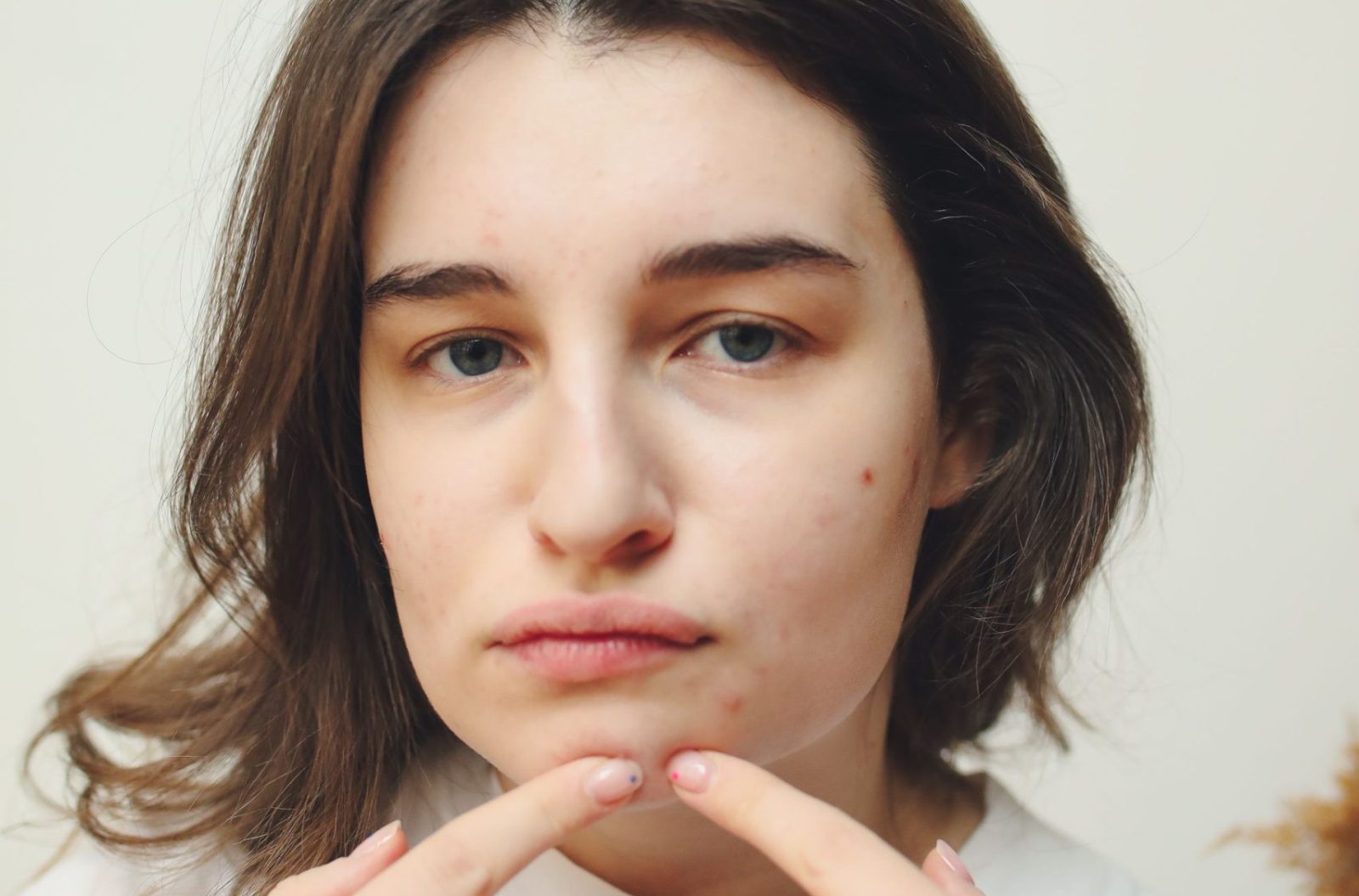
September 1 is Acne Positivity Day, which focuses on breaking the stigma around acne, challenging unrealistic beauty standards and improving education about skin breakouts.
Millions of people around the world experience acne during their lives. Those who have dealt with breakouts know treatment does not always offer a simple or immediate solution.
What causes acne?
Acne develops when pores become filled with dead skin cells, oil or bacteria. This leads to pimples, blackheads and whiteheads.
Common areas affected by acne include the:
- Face
- Neck
- Back
- Shoulders
- Buttocks
Several factors trigger acne, including hormonal fluctuations, skin dehydration, stress, genetics and oil-based skincare products.
Dr Judey Pretorius, a biomedical scientist and founder of Biomedical Emporium Skincare, addresses five common myths about acne.
Myth 1: Acne develops because of dirty skin
Acne is not caused by poor hygiene. Acne is a medical skin condition influenced by several factors.
The belief linking acne to dirty skin has existed for decades. This misconception adds to the stigma surrounding a condition which already affects confidence and self-esteem.
Some people scrub or wash their skin repeatedly in the hope of clearing breakouts. Overwashing damages the skin barrier, causes sensitivity and makes breakouts worse.
Myth 2: Chocolate and fast food cause acne
Diet has a link to acne, but food triggers differ between people.
Refined carbohydrates and dairy products trigger flare-ups for some people. Eating unhealthy food does not automatically lead to acne.
To support a healthy complexion and protect the body, experts suggest:
- Limiting processed foods
- Reducing sugar
- Eating lean protein
- Eating fresh fruit and vegetables
- Including fibre in your diet
Myth 3: Sun tanning clears acne
A tan sometimes hides the redness of a breakout for a short period. Excessive sun exposure still causes more harm than good.
UV rays dry out the skin, prompting greater oil production. Extra oil clogs pores and contributes to further breakouts.
Sun exposure also darkens post-acne blemishes and leads to stubborn scarring.
Apply an SPF product and avoid direct sunlight during peak hours.
Myth 4: Only teenagers get acne
Acne affects men and women of all ages.
Adult acne is becoming more prevalent, with some people experiencing breakouts during their 30s, 40s, 50s and beyond.
Women going through menopause sometimes develop acne because of hormonal fluctuations.
Other adult acne triggers include:
- Stress
- Trauma
- Medication
- Pregnancy
- Lifestyle factors
Myth 5: Wearing makeup causes acne
There is some truth behind the link between makeup and breakouts, but makeup products differ.
Poorly formulated foundations containing high levels of oil or silicones trap debris, clog pores and contribute to breakouts.
Non-comedogenic makeup is designed not to clog pores. These products suit oily and combination skin types.
Remove makeup thoroughly every night. Never sleep with makeup on.
Caring for acne-prone skin
Each acne case is different. Several factors influence the right treatment approach.
Start by identifying the cause of your acne. A change to your skincare routine sometimes improves breakouts. Other cases require medication or lifestyle changes.
Speak to your doctor or skincare therapist to find the right approach for your skin.
Biomedical Emporium’s Helix Range
Biomedical Emporium’s Helix Range is a targeted four-step skincare system designed to support acne-prone skin.
The range contains:
- Salicylic acid
- Niacinamide
- Zinc oxide
- Soothing botanicals
The Helix Range is designed to reduce breakouts, calm inflammation and support a healthy skin barrier. The products are intended for morning and evening use.
Acne does not define your skin
Acne Positivity Day challenges the shame and stigma linked to breakouts.
Understanding the causes of acne and rejecting common myths helps people make better decisions about skincare and treatment.




Related Articles

2027 Comrades Marathon entries open for historic 100th race
Entries for the 2027 Comrades Marathon open today, Tuesday 25 August 2026,...

Up The Creek 2027 announces first artists for February festival
Up The Creek Music Festival will return to the banks of the...

SANParks announces free entry dates for National Parks Week 2026
South Africans will receive free day access to participating national parks during...



Airlink launches direct Gqeberha to Mbombela flights
Airlink will launch direct flights between Gqeberha and Mbombela from 16 November...
