


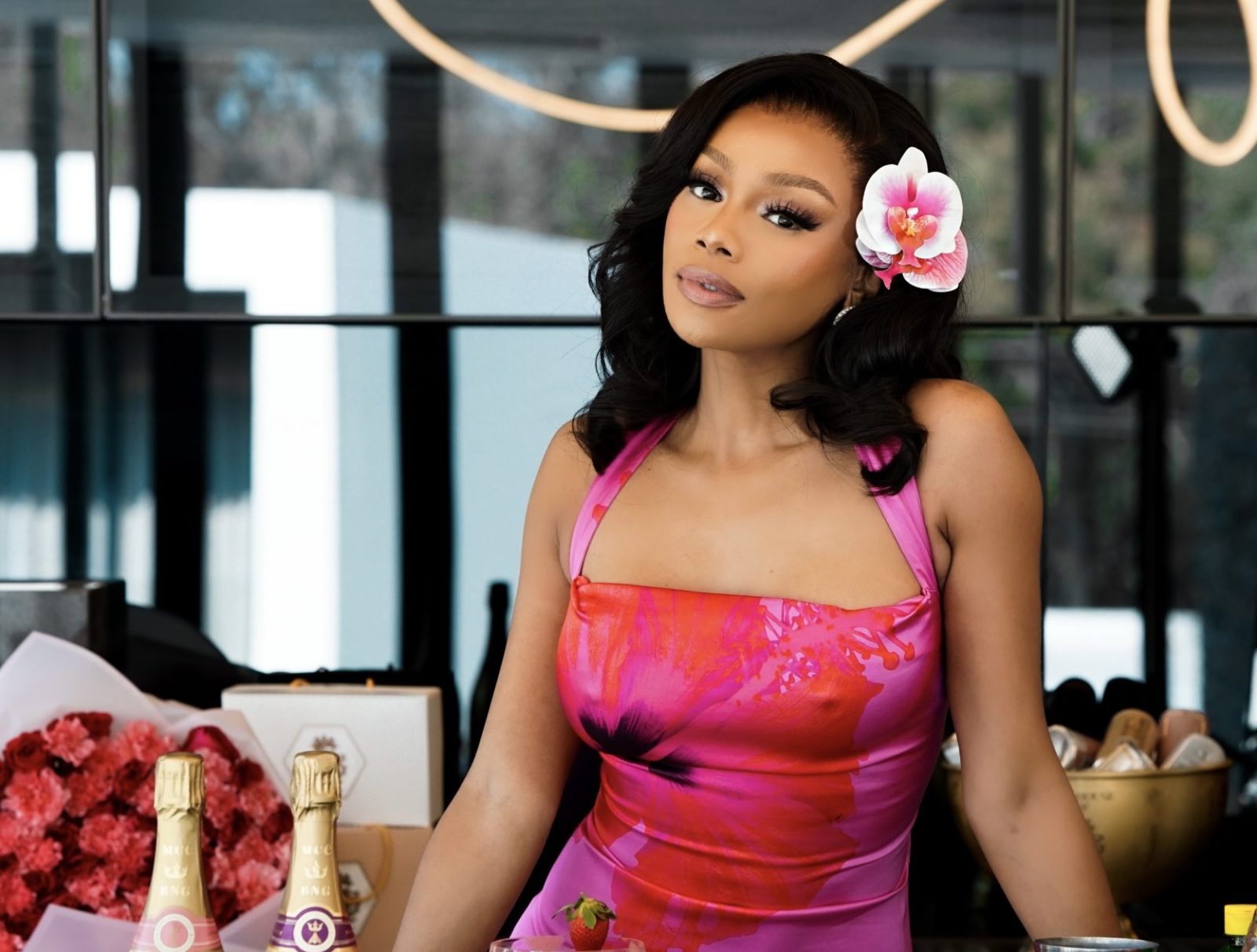
There’s a reason a glass of bubbly can turn an ordinary evening into a night of luxury, indulgence and celebration and it’s not just the taste. It’s the entire ritual: the pop of the cork, the sound of the fizz, the clink of glasses during a toast.
A bottle of bubbly represents far more than what meets the eye, and there’s science to back it up.
Historical romance
The first woman thought to have made drinking bubbly fashionable was Jeanne-Antoinette Poisson, better known as Madame de Pompadour, chief mistress of King Louis XV of France. She’s credited with declaring that “champagne is the only wine that leaves a woman looking beautiful after drinking it.”
Since then, it’s been the centrepiece of girls’ nights, book clubs, brunches, baby showers, graduations and more.
Some of the most important innovations in bubbly including the drier styles now known as Brut came from women who ran their own houses at a time when almost nobody else would let them in the room.
“It appears that women have always been behind the best bottles,” comments Bonang Matheba, founder of House of BNG, who launched her own successful MCC brand in 2017.
Symbol of luxury
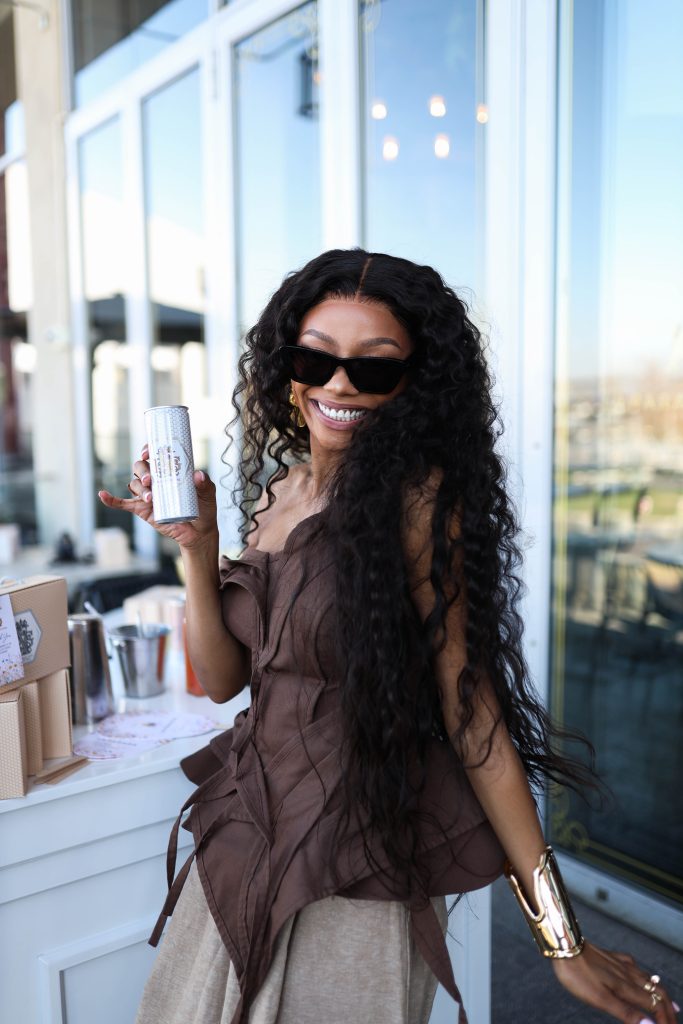
Drinking bubbly is its own kind of statement. Women who choose it are often perceived as having class, as sophisticated, as understanding the finer things in life.
Some of that perception is inherited: for centuries, sparkling wine from the Champagne region was served at the coronation celebrations of French kings and queens, and later at royal banquets in the 17th and 18th centuries, reserved for the elite. That association with power and privilege has never quite left the glass.
Feminine connection
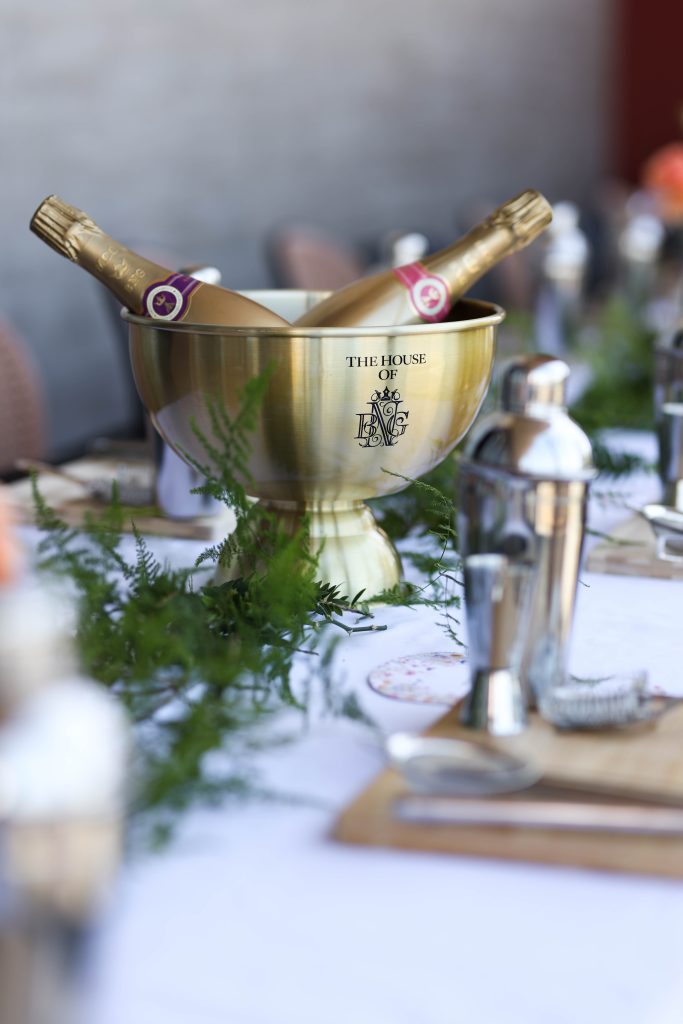
The connection often starts before the first sip. A 2024 study from Washington State University found that women respond more favourably to wine labels carrying feminine design cues (softer imagery, floral motifs) and even expect to enjoy the wine more as a result.
Interestingly, other research into sparkling wine specifically has found the opposite: label design barely factors into the actual purchase decision, with flavour and prior experience mattering far more. The takeaway isn’t a contradiction so much as a layered one, packaging shapes first impressions and expectation, but it’s rarely the deciding factor once a woman has actually tasted the wine.
Taste sensation
Women tend to prefer sparkling wines with a lighter body and fruitier aromas – styles that are less potent and easier to drink. Notes like berry, vanilla, chocolate, citrus and honey are flavour profiles that align well with female preferences across multiple markets.
Passionfruit, for example, is often associated with happy, relaxed, romantic moods, a note suited to almost any season or occasion.
Social glue for any occasion
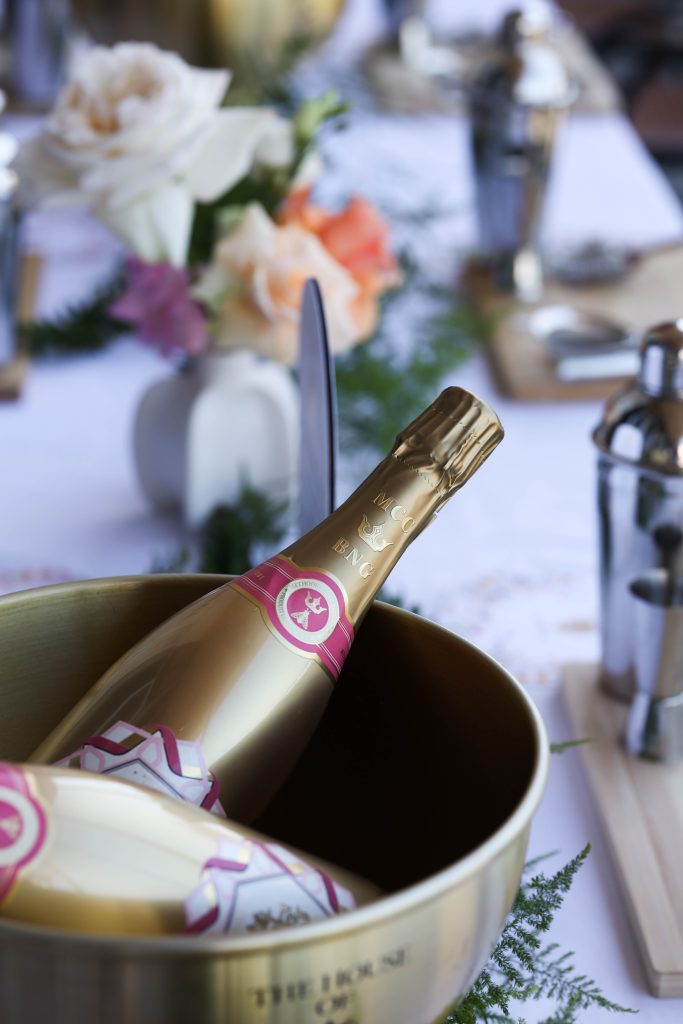
Bubbly isn’t something you drink alone, it’s meant for sharing, whatever the occasion. Increasingly, people pop a bottle simply because they want a reason to celebrate, and the experience is, almost without exception, a happy one. “It’s the reason why House of BNG was never about champagne saved for someday.
It’s my love letter to South Africa, made with grapes from some of the best terroir in the world, for the woman who already knows she’s the occasion,” concludes Matheba.
The last word
Bubbly has never really been about the wine alone. It’s the ritual, the reputation, the way it turns an ordinary Tuesday into an occasion and the fact that women have been shaping its story from the very beginning.
So the next time someone asks why women can’t resist a glass of bubbly, the answer is simple: why would they want to?








Related Articles

South Africa faces unusually strong El Niño as SAWS warns of hotter, drier summer conditions
South Africa is already experiencing an exceptionally strong El Niño, with forecasts...

SASSA November 2026 grant payment dates could change due to elections
SASSA is reviewing its November 2026 social grant payment dates after Election...

Inside Manchester City’s £900m financial breaches as Premier League sanction looms
Manchester City artificially inflated revenues and reduced costs by more than £900...


Ford Tourneo Custom Titanium X AWD arrives in South Africa
Ford South Africa has expanded its premium people-mover range with the launch...
