



The province is well known for the arid Kalahari Desert, the Namaqualand flowers and the Kimberley hole, to name a few.
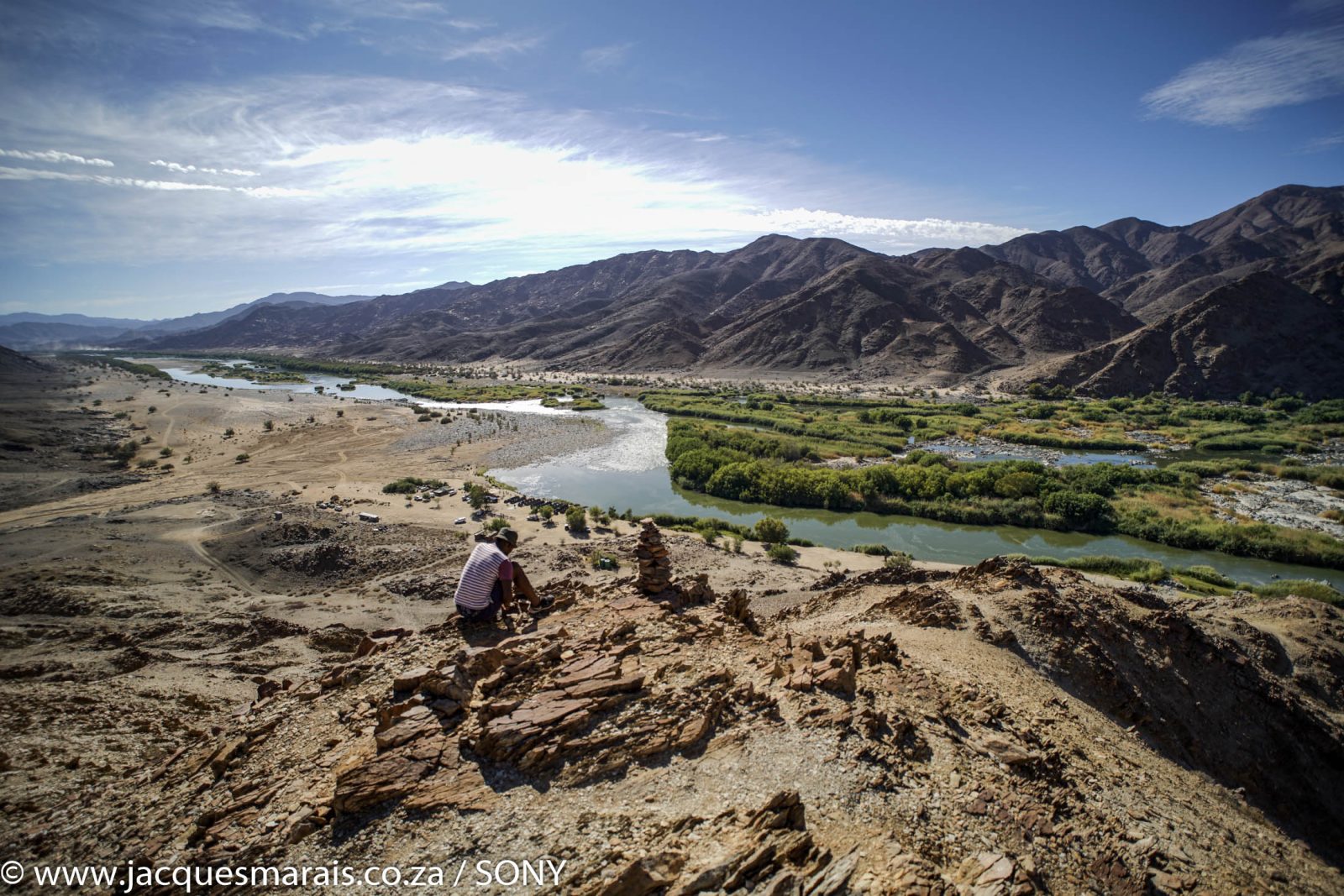
Here, you discover the breathtaking landscapes and rich biodiversity of the Ai/Ais-Richtersveld Transfrontier Park (ARTP) in the Northern Cape, where the desert comes alive with unique flora and fauna.
Why is it called “burning water”?
Ai/Ais means “burning water” in Nama; perfect name for a landscape where hot springs appear in the middle of an arid desert. This is where the sun beats down relentlessly, but life literally continues to thrive. This place is all about contrast: scorching days, cold nights and a strange kind of beauty that only the desert can produce.
The ARTP is also part of the Succulent Karoo biome, one of the world’s most important biodiversity hotspots. So, if you are a plant lover like I am, you will get a chance to spot a third of the world’s succulent species, which live here, making it the richest succulent flora on Earth.
You’ll see strange, almost alien plants, from the “half-men” succulents to the tall quiver trees, all thriving in arid conditions. This is a place where plants have clearly learned to survive by being tough, clever and beautifully strange.
Desert life, redefined
The wildlife is very impressive to. The park is home to 56 mammal species, including gemsbok, springbok, and even elusive predators like caracal, brown hyena and leopard. Birdwatchers will love the more than 194 bird species that call this place home, including the African fish eagle and the rare augur buzzard.
The Northern Cape is often described as empty, but the truth is it is full of life, just life that has adapted to the harshest conditions on Earth.
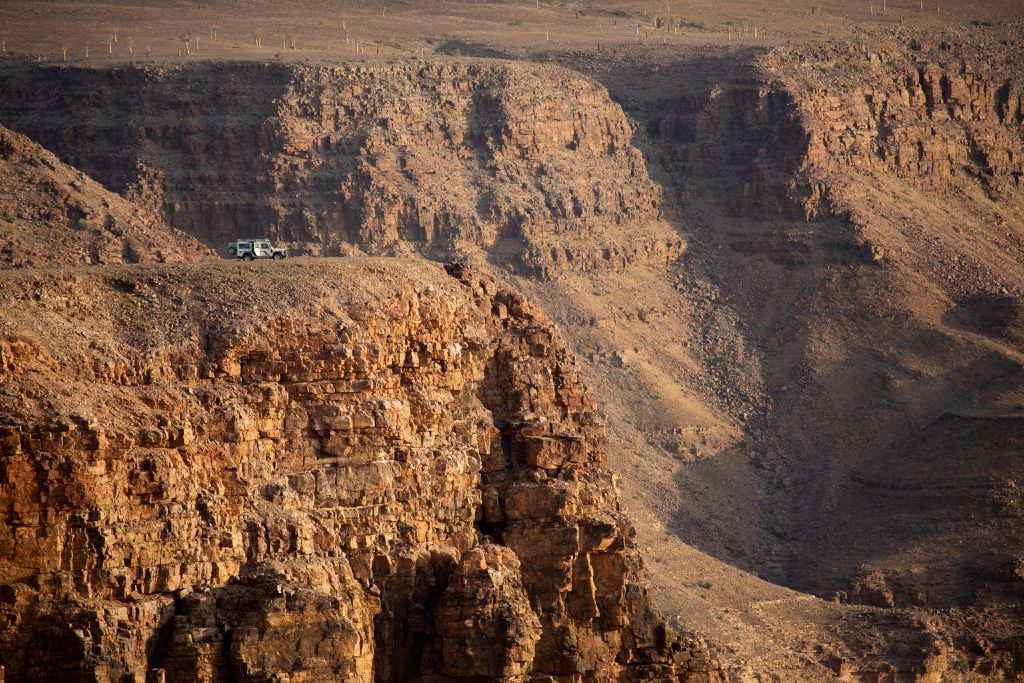
The Fish River Canyon is another of the Northern Cape’s showstopper, and it’s one of the most dramatic natural features in the world. At nearly 160km long and 500m deep, it is the second-largest canyon on Earth. For those who want a real challenge, the five-day Fish River Canyon hike is one of the most intense and rewarding adventures in South Africa.
It’s not for the faint-hearted, but the reward is a trip through one of nature’s most magnificent masterpieces. Alternatively, you can explore the canyon mouth where the Fish River meets the Orange River.
The Orange River flows through a gorge created when the continent tilted, causing the water to rush west. The canyon is one of these places where time seems to have stood still and all that is required from you is to just immerse yourself around it all.
After a day of desert heat and long hikes, the Ai/Ais hot springs offer a natural reset. These warm mineral waters are tucked away in the Namibian section of the park, but they are very much part of the Northern Cape experience.
Imagine soaking in healing water under a sky so dark that the stars feel close enough to touch, far away from the glow of city lights. It’s a simple luxury, but it’s one of the most memorable experiences in the desert.
For the adventure seeker
Beyond the hot springs, the ARTP offers other adventures. Hiking trails in the Richtersveld like the Vensterval Trail, Lelieshoek-Oemsberg Trail, and Kodaspiek Trail provide multi-day journeys through rugged terrain and incredible scenery.
For those who prefer two wheels, the Desert Knights Mountain Bike Tour is a five-day, fully catered event that takes you through some of the most scenic parts of the park.
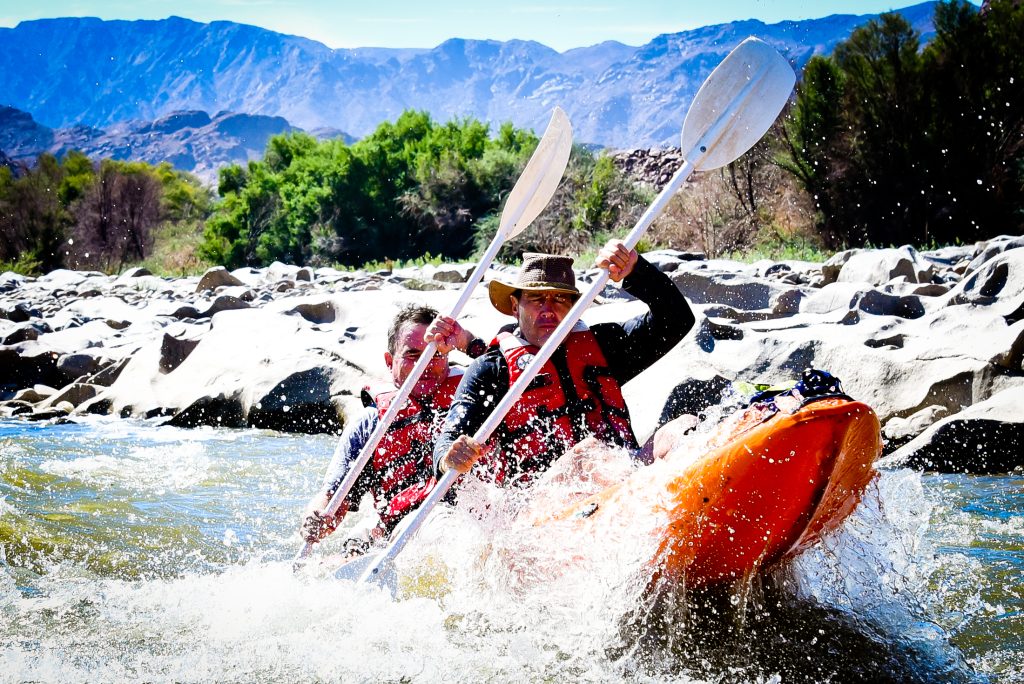
Kayaking on the Orange River offers a different kind of adventure, with calm stretches and thrilling rapids, camping along the riverbank under the African sky. Fishing is also super popular, with deep pools and abundant fish in the Orange River.
And for anyone wanting to truly immerse themselves in the desert, camping along the river or alongside the canyon is the most authentic way to experience the Northern Cape’s wilderness.
Did you know?
The ARTP spans 5 920 km² and extends into Namibia, combining the Ai/Ais Hot Springs Game Park with the Richtersveld National Park, creating a vast desert wilderness of volcanic landscapes, ancient canyons, and green pockets of rare plant life. It is one of the few places where the desert feels alive, not empty and where the natural world has adapted to survive in conditions that seem impossible.
Practical travel tips
- Plan your fuel stops
- Pack for extremes
- Go offline-ready
- Respect the desert
- Stay after dark




Related Articles

Shoprite tests FillRite refills that let shoppers buy essentials from R5
What if you only have R5 for cooking oil, sugar or another...

Brad Binder joins BMW for new WorldSBK chapter in 2027
South African MotoGP star Brad Binder is heading to WorldSBK after signing...

Caravan chocolate is back in South Africa, but only for a limited time
Remember Caravan? The chocolate bar that disappeared from South African shelves is...



New DStv packages and prices: What changes from 17 September
DStv is introducing a new package structure in South Africa from 17...
