


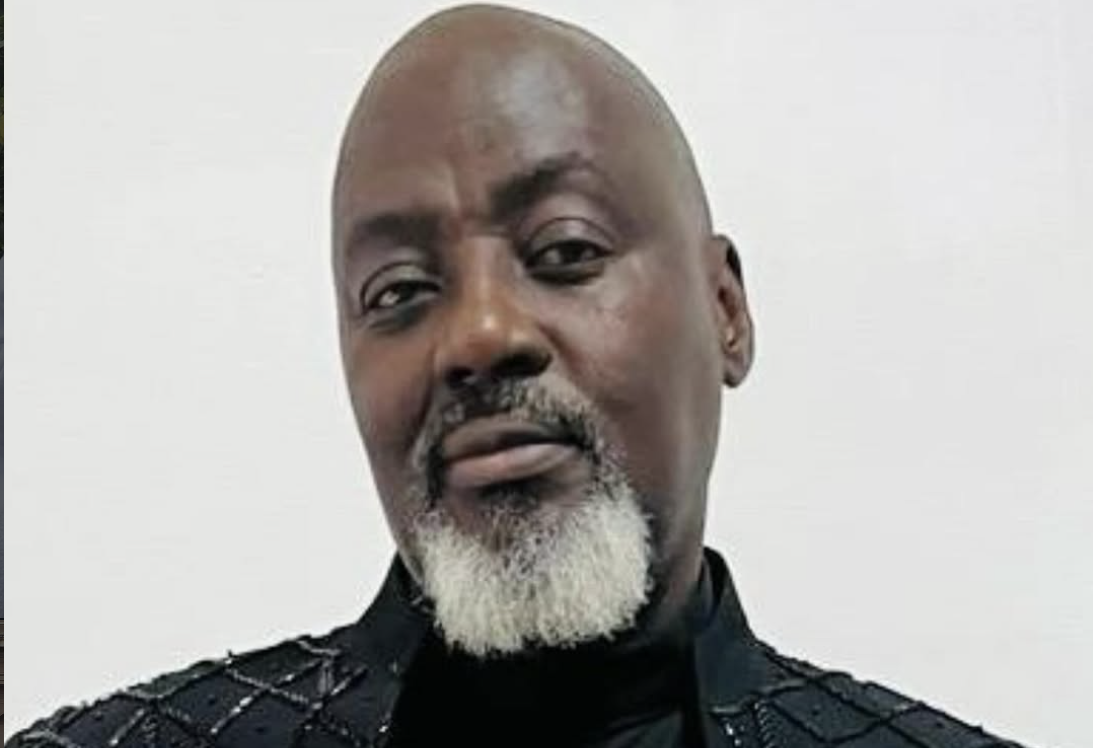

Veteran South African actor Nimrod Nkosi has broken his silence after a viral voicenote triggered widespread concern online. The audio clip, which circulated rapidly on X, led many to believe the beloved media personality was in distress.
Nkosi has now addressed the situation directly, reassuring fans that there is no cause for alarm. “I’m OK,” he said in a brief statement. He added that his family is safe and thanked those who reached out with concern.
What caused the panic online
The voicenote spread quickly without context, which led to speculation and emotional reactions from users across social media. Many believed the voice in the clip belonged to Nkosi and interpreted the tone as deeply personal.
As the clip gained traction, concern grew. Messages of support began to flood timelines, with fans expressing worry and trying to verify whether the recording was real.
A familiar voice in South African entertainment
Nkosi’s name carries weight in the local industry. He rose to prominence in the 1990s as a television presenter during a defining period for South African media. His work on youth and music shows helped shape the tone of post-apartheid entertainment.
He later transitioned into acting, building a career across television dramas and soap operas. His performances have often been grounded and relatable, which helped him connect with audiences across different age groups.
Beyond what viewers saw on screen, Nkosi also contributed behind the scenes, supporting local storytelling during a key growth phase for the industry.
From concern to renewed attention
What started as a moment of panic has shifted into something more reflective. Instead of fading quickly, the conversation has highlighted how strongly audiences still connect with Nkosi.
Social media has been filled with messages of appreciation. Fans have revisited his past work and shared how his career shaped their own viewing experiences. That level of response points to lasting relevance, not just nostalgia.
A moment that could open new doors
There is growing sentiment that this renewed attention should translate into opportunity. Some are calling on producers and broadcasters to bring experienced talent like Nkosi back into more visible roles.
The discussion has also widened to include the treatment of veteran performers in the industry. Many have pointed out that established actors often disappear from screens despite their contribution to South African storytelling.
What this means
Nkosi’s response has shifted the narrative. What could have become a damaging moment has instead reinforced public support and placed him back in the spotlight.
The attention now sits less on the audio itself and more on what comes next.
Why this matters
This situation highlights how quickly misinformation or incomplete context can spread online. It also shows how public perception can change just as fast.
More importantly, it reflects the strong connection between South African audiences and the personalities who helped shape local entertainment.





Related Articles
Shoprite tests FillRite refills that let shoppers buy essentials from R5
What if you only have R5 for cooking oil, sugar or another...

Brad Binder joins BMW for new WorldSBK chapter in 2027
South African MotoGP star Brad Binder is heading to WorldSBK after signing...

Caravan chocolate is back in South Africa, but only for a limited time
Remember Caravan? The chocolate bar that disappeared from South African shelves is...



New DStv packages and prices: What changes from 17 September
DStv is introducing a new package structure in South Africa from 17...
