


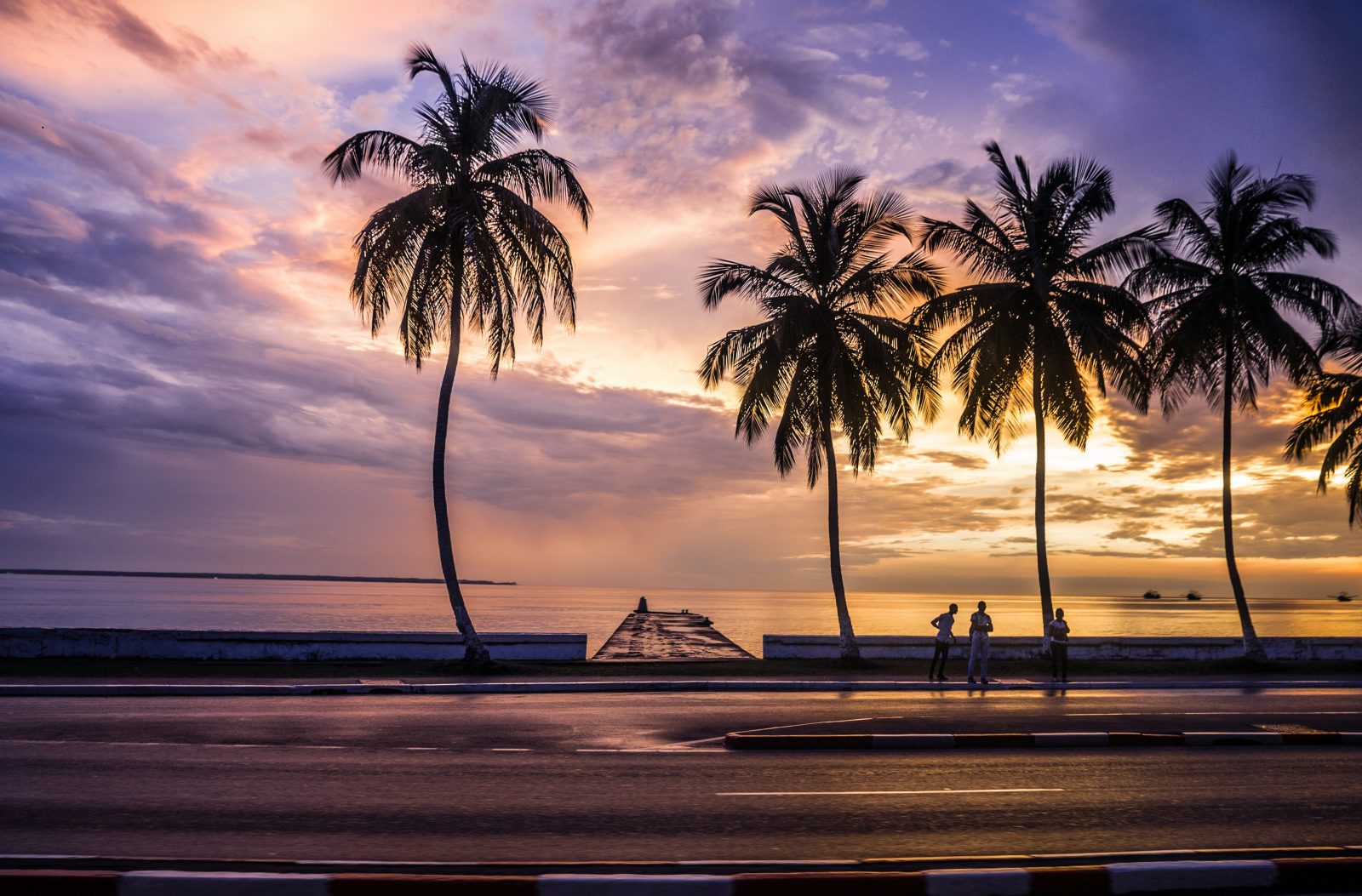

Gabon does not shout for attention. It reveals itself slowly. If you want to understand the country, start with two places: Libreville and Lambaréné.
One sits on the Atlantic. The other rests deep in river country. Together, they show you salt air, rainforest, colonial history and living tradition in one journey.
Libreville: Gabon’s Coastal Capital
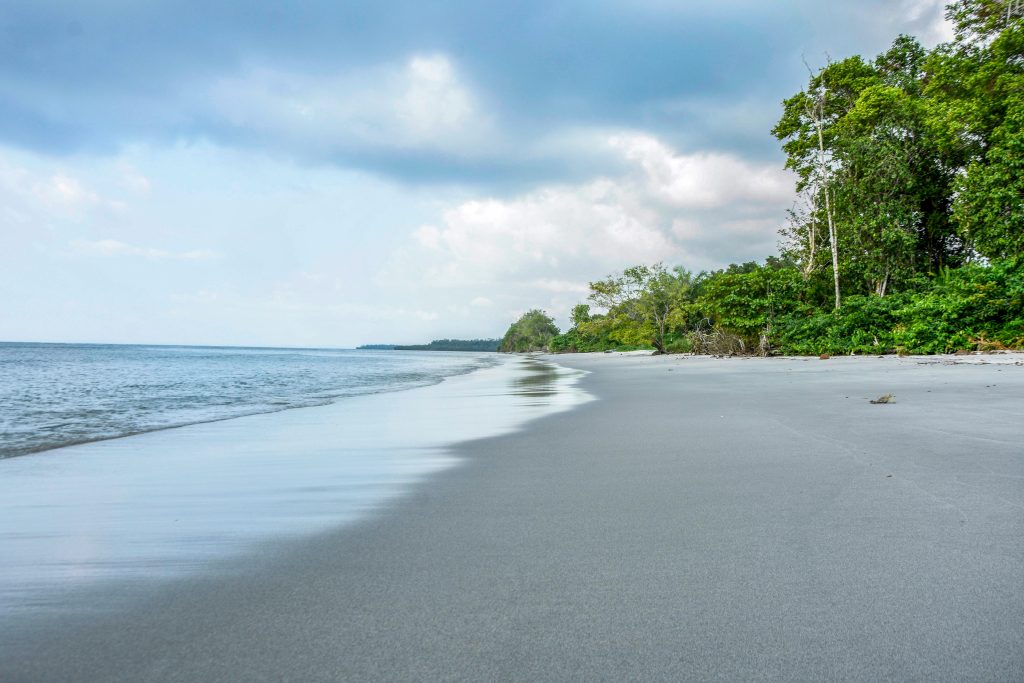
Libreville looks small from the air, swallowed by thick rainforest. The name means “Free Town”. Founded in 1849 for freed slaves, it echoes the story of Freetown.
The city lies along the Komo River and is home to roughly 915,000 people. It functions as Gabon’s main port and administrative centre, yet nature sits close. Rainforest presses in. Beaches stretch wide and empty.
The country itself takes its name from the Portuguese word “gabao”, meaning hooded cloak. Navigators in the 1470s thought the shape of the river estuary resembled this garment.
Quick facts on Libreville
• St. Michael’s Church features towering wooden columns carved by a blind Gabonese craftsman.
• Bwiti is a spiritual tradition centred on the sacred iboga plant, practised by Fang, Mitsogo and Apindji communities. Ceremonies combine ancestor veneration, music and ritual healing.
• Pointe Denis offers white sand beaches and turtle sightings, reached only by boat.
• Libreville’s coastline feels raw and open, where rainforest meets Atlantic surf.
Lambaréné: Life on the Ogooué
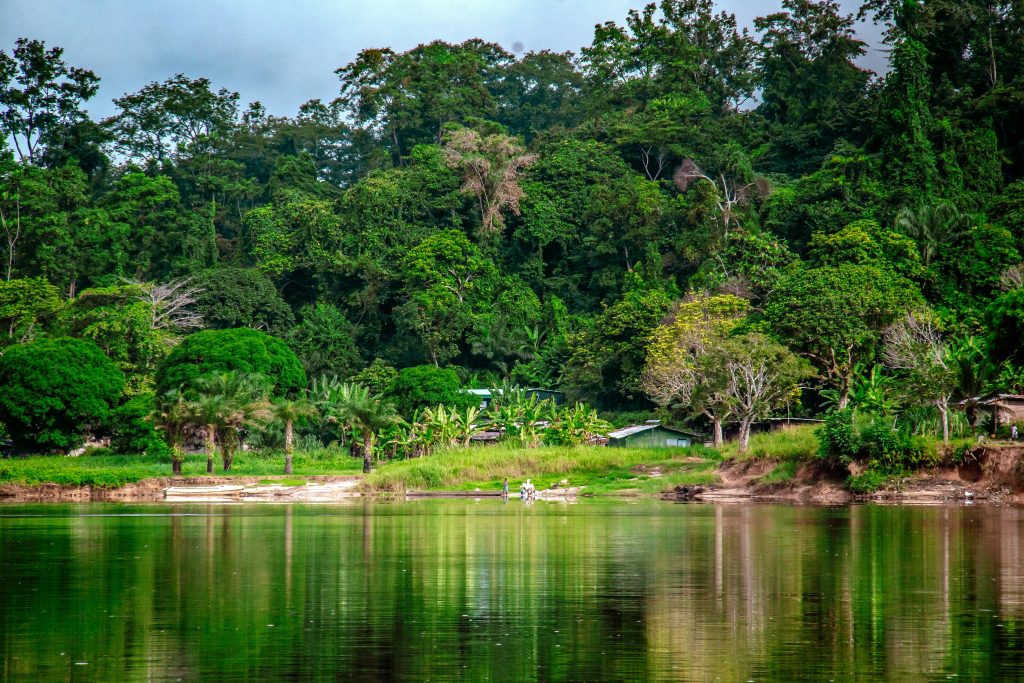
Lambaréné sits on a large island in the Ogooué River. Surrounded by rainforest, the town moves at a slower rhythm.
It is best known for the hospital founded in 1913 by Albert Schweitzer. The site still operates and remains one of Central Africa’s most recognised historic medical institutions.
The town’s name comes from the Galoa dialect and roughly translates to “we want to try it” or “let’s try”, a phrase reflecting resilience in a landscape shaped by river and forest.
Quick facts on Lambaréné
• Located about 75km south of the equator in Central African rainforest.
• Bush taxis and minibuses link it to Libreville, though schedules remain informal.
• The historic Schweitzer Hospital museum displays early 20th-century medical tools and the original chapel.
• Lambaréné is known for freshwater carp and its busy fish market.
Two Worlds, One Journey
Libreville feels bright and coastal. You wake to ocean air and city movement. Lambaréné feels rooted and reflective. You move by river, not by tide.
Do the beaches first. Walk the markets. Visit the churches and coastal viewpoints. Then travel inland for river calm, forest silence and layered history.
That contrast defines Gabon.
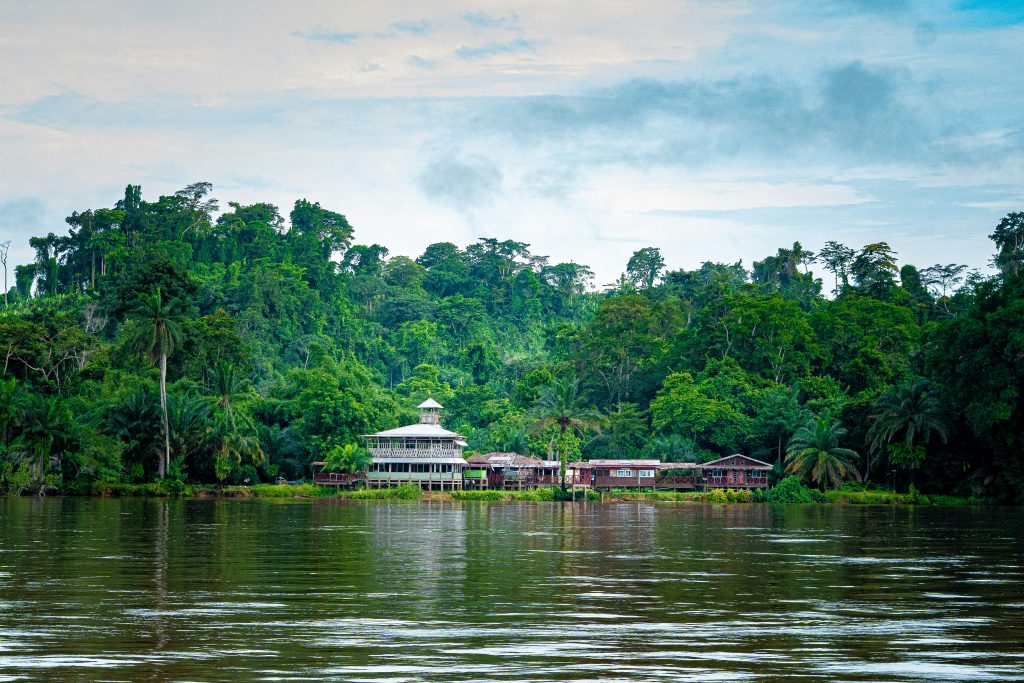
How to Experience Gabon’s Duo
Days 1 to 3: Libreville
• Explore markets and colonial landmarks
• Visit St. Michael’s Church
• Take a boat to Pointe Denis
• Spend afternoons on uncrowded beaches
Days 4 to 6: Lambaréné
• Tour the Schweitzer Hospital museum
• Walk the riverside fish market
• Observe daily life shaped by water and forest
Getting There
Flights connect major African hubs to Libreville. From there, road travel leads to Lambaréné. The journey inland feels unhurried. Build time into your schedule.
Gabon rewards patience. In Libreville and Lambaréné, you see two sides of one quiet, powerful country.




Related Articles
Shoprite tests FillRite refills that let shoppers buy essentials from R5
What if you only have R5 for cooking oil, sugar or another...

Brad Binder joins BMW for new WorldSBK chapter in 2027
South African MotoGP star Brad Binder is heading to WorldSBK after signing...

Caravan chocolate is back in South Africa, but only for a limited time
Remember Caravan? The chocolate bar that disappeared from South African shelves is...



New DStv packages and prices: What changes from 17 September
DStv is introducing a new package structure in South Africa from 17...
