


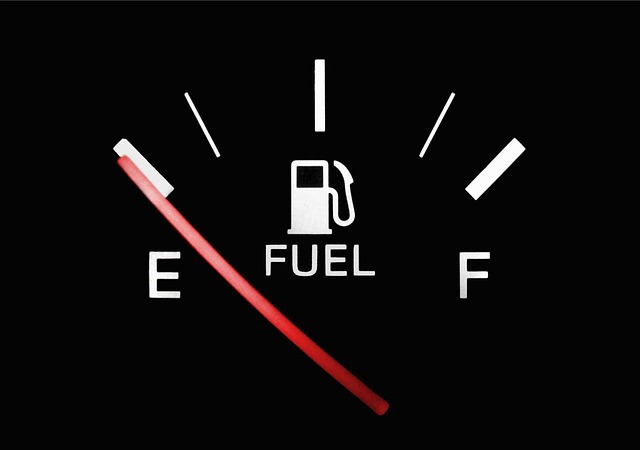
South Africa’s fuel price for May 2026 is likely to increase, even after government extended temporary relief measures to cushion the impact.
The expected hike comes as global oil prices remain high and the rand stays under pressure, although National Treasury has stepped in to reduce the blow at the pumps.
Quick answer: Will fuel prices increase in May 2026?
Yes, a fuel price increase is likely, but it may be lower than initially expected.
- Petrol expected increase: around R1.80 to R2.10 per litre
- Diesel expected increase: around R1.40 to R1.60 per litre
- Final prices still to be confirmed
Government intervention has reduced what could have been a much sharper spike.
Government extends fuel relief measures
According to the National Treasury, short-term fuel levy relief has been extended into May and June to protect consumers.
Key measures include:
- Continued R3.00 per litre relief on petrol for May
- Increased diesel relief to R3.93 per litre, effectively reducing the levy to zero
- Relief to be phased out in June
- Full levies expected to return from July
The total cost of this intervention is estimated at R17.2 billion in foregone revenue.
What fuel prices could look like in May
Despite the relief, motorists will still feel the increase.
Estimated prices:
Inland (Gauteng and surrounding areas)
- Petrol 95: around R25.20 per litre
- Petrol 93: around R24.80 per litre
- Diesel: around R23.30 to R23.60 per litre
Coastal regions
- Petrol 95: around R24.40 per litre
- Petrol 93: around R24.00 per litre
- Diesel: around R22.50 to R22.80 per litre
Without the relief, prices could have been significantly higher.
Why prices are still rising
Even with government support, global pressures remain strong.
Key drivers:
- Oil prices above $100 per barrel
- Ongoing geopolitical tensions affecting supply
- A weaker rand increasing import costs
- Under-recovery during April
South Africa imports most of its fuel, making it highly exposed to global markets.
What the relief actually means for you
The levy cut reduces the final price, but does not stop increases entirely.
Without the relief:
- Petrol could have increased by over R4 per litre
- Diesel increases could have been even higher
With the relief:
- Increases are limited to around R2 per litre
- Short-term pressure is reduced
- Long-term costs remain a concern
Cost impact on your monthly budget
Even with intervention, the increase will affect households.
- Filling a 50-litre tank could cost R80 to R100 more
- Monthly fuel spend may rise by R300 to R700
- Transport and food prices may increase
Fuel remains one of the biggest drivers of living costs.
Important: Relief is temporary
The support is not permanent.
According to National Treasury:
- Relief will be reduced in June
- Fully removed by July
- Fuel levies will return to normal levels
This means further price pressure could follow in the coming months.
Bottom line
Fuel prices in May 2026 are likely to increase, but government relief measures will soften the impact.
Motorists will still pay more, but not as much as initially expected. The real concern lies in what happens once the relief is removed.








Related Articles
South Africa faces unusually strong El Niño as SAWS warns of hotter, drier summer conditions
South Africa is already experiencing an exceptionally strong El Niño, with forecasts...
SASSA November 2026 grant payment dates could change due to elections
SASSA is reviewing its November 2026 social grant payment dates after Election...

Inside Manchester City’s £900m financial breaches as Premier League sanction looms
Manchester City artificially inflated revenues and reduced costs by more than £900...



Ford Tourneo Custom Titanium X AWD arrives in South Africa
Ford South Africa has expanded its premium people-mover range with the launch...
