


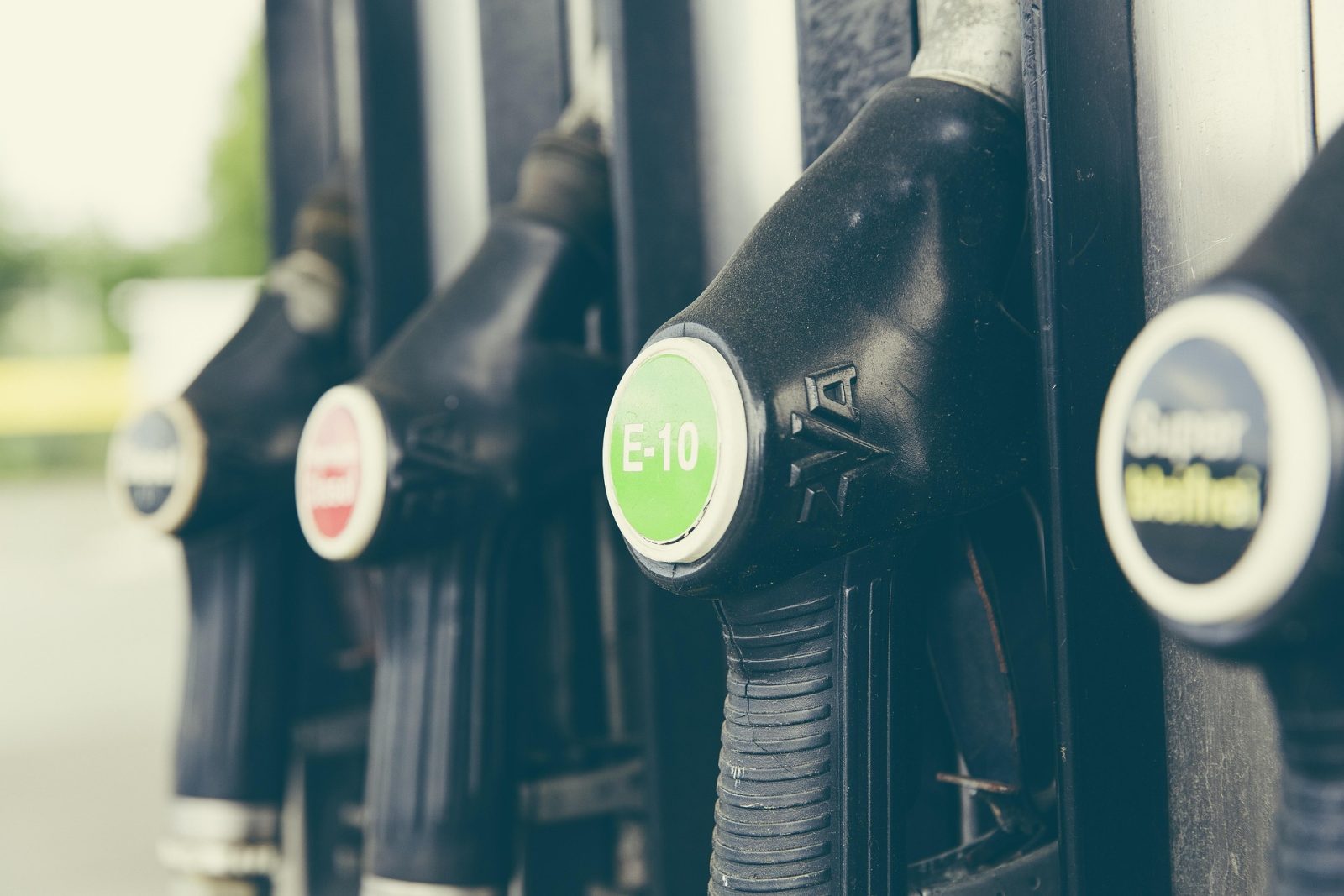
Finance Minister Enoch Godongwana has announced a R10 billion temporary fuel levy relief package, with diesel levy reductions of R3 per litre and petrol reductions of R1.50 per litre taking effect on 4 November 2026.
Announced during the Medium-Term Budget Policy Statement on Wednesday, 21 October, the intervention will run in two phases until 5 January 2027, according to reports by BusinessTech and Reuters.
The reductions apply to the levy component of fuel prices. They do not establish the final change motorists will see at the pump, which also depends on international oil prices and the rand exchange rate.
Fuel Levy Cuts Begin on 4 November
The first phase provides the larger reductions from 4 November to 1 December 2026.
Diesel levies will be reduced by R3 per litre, while petrol levies will be reduced by R1.50 per litre.
The relief then tapers from 2 December, continuing through the remaining festive period until 5 January 2027.
| Relief Period | Diesel Levy Reduction | Petrol Levy Reduction |
|---|---|---|
| 4 November–1 December 2026 | R3 per litre | R1.50 per litre |
| 2 December 2026–5 January 2027 | R1.50 per litre | R1 per litre |
The phased arrangement is intended to cushion motorists and businesses against high fuel costs during the holiday season.
Oil Prices Drive Pressure on Fuel Costs
The announcement follows pressure on global oil markets from geopolitical conflicts, with oil prices exceeding US$100 a barrel, according to the supplied reporting.
Higher international prices have increased the pressure for government intervention to ease domestic fuel costs.
The package is described as the second major fuel relief intervention of 2026, following a separate multibillion-rand package between April and June, according to Daily Investor and The National.
How the R10 Billion Package Will Be Funded
According to Moneyweb and BusinessTech, the fiscal cost will be covered by returning funds previously transferred to the Central Energy Fund.
The supplied account describes the money as returning to the National Revenue Fund’s Contingency Reserve. The arrangement is presented as avoiding additional borrowing while preserving budget sustainability.
Final Pump Prices Still Depend on Market Conditions
The levy reductions provide temporary tax relief, but motorists should distinguish them from the overall fuel price adjustment.
International oil prices and the rand exchange rate will continue to influence the final amount paid per litre. The supplied announcement does not establish the final November or December pump prices.
The larger reductions begin on 4 November, followed by a smaller second phase from 2 December. The temporary relief is scheduled to end on 5 January 2027.










Related Articles

Manchester United Appoint Mauricio Pochettino As Head Coach
Manchester United have appointed Mauricio Pochettino as head coach, with the Argentine...

Springboks Vs France: Kick-Off Time And Where To Watch
South Africa face France at the Stade de France in Saint-Denis tonight,...

Microsoft Outage Disrupts Outlook, Teams And Cape Town Services
A global Microsoft outage has disrupted Outlook, Teams and other Microsoft 365...



Nadia Nakai Reflects On Her Tropika Island Of Treasure Exit
Nadia Nakai and her Smoooth Fan partner, Andile Khuluse, have been eliminated...
