


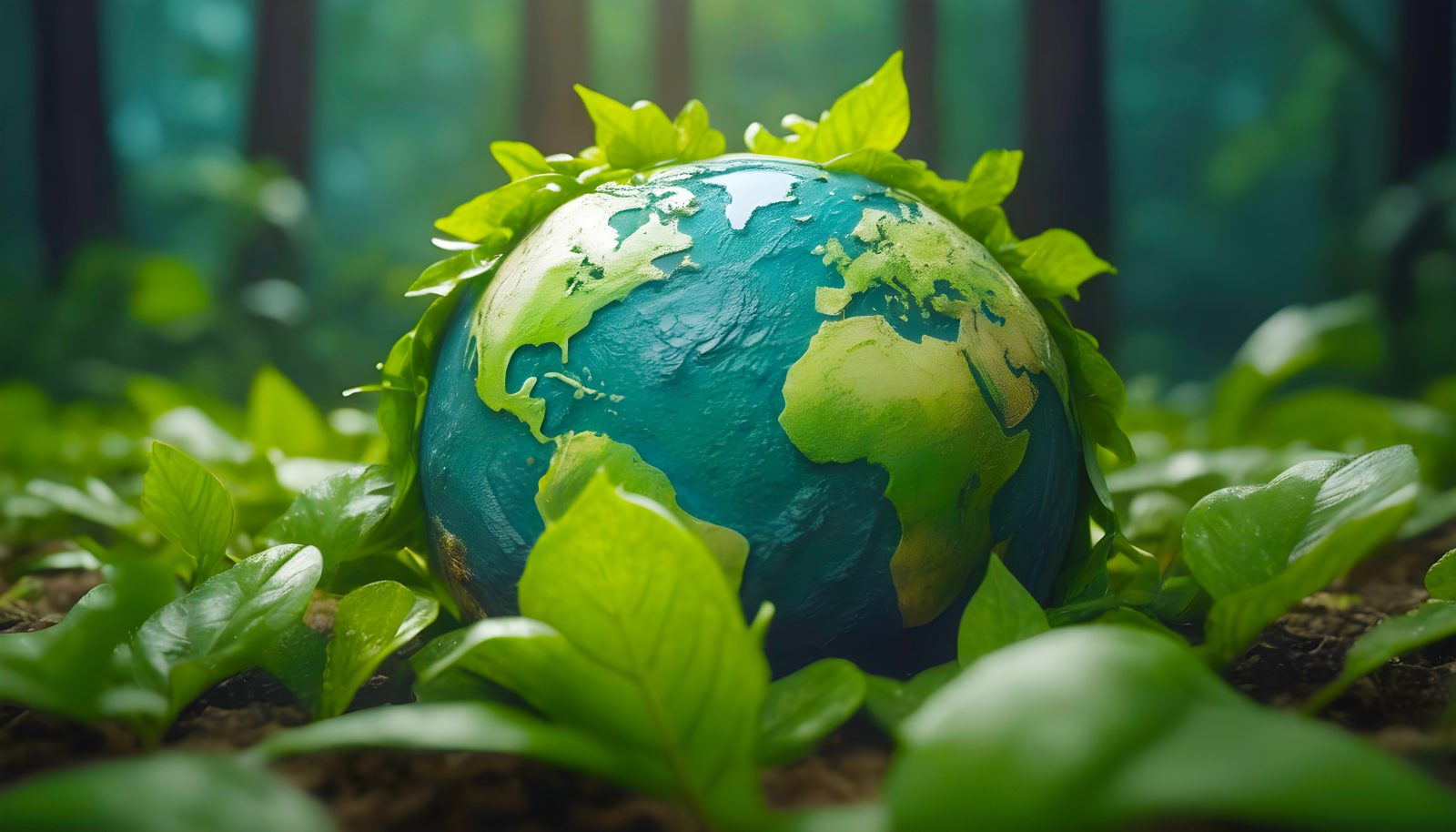
Across South Africa, Earth Day is being marked with a mix of activism, education and community-driven action. Held every year on 22 April, Earth Day focuses on raising awareness around environmental protection. The 2026 theme, “Our Power, Our Planet”, puts the spotlight on renewable energy and climate resilience.
Why Earth Day still matters
What started in 1970 has grown into a global movement.
Today:
- more than 190 countries take part
- over one billion people get involved
- governments, activists and communities all play a role
The aim is simple. Drive change at every level, from individuals to policy.
What’s happening across South Africa
This year’s events highlight both action and awareness.
Education and community projects
In Durban, Deputy Minister Narend Singh launched a school-based programme focused on:
- food security
- recycling education
- sustainable gardening
These initiatives aim to build awareness from a young age.
Activism and protest action
In Cape Town, activists gathered outside Parliament.
Groups including Extinction Rebellion and SAFCEI called for:
- faster transition away from fossil fuels
- stronger climate policy
- increased accountability
Scientific research and climate monitoring
South Africa’s environmental efforts also extend beyond its borders.
South African National Antarctic Programme continues to monitor climate change through research in Antarctica and Marion Island.
Key environmental challenges in South Africa
Earth Day highlights issues that are especially relevant locally.
Water security
South Africa faces ongoing pressure on water resources, making conservation critical.
Energy transition
Moving away from coal towards solar and wind remains a key national priority.
Biodiversity protection
Unique ecosystems like the Fynbos biome require ongoing protection.
Waste and pollution
Plastic waste continues to impact oceans, rivers and urban areas.
Regional highlights and local events
Across the country, communities are getting involved in different ways.
Western Cape
- large-scale spekboom planting projects
- focus on restoring ecosystems and protecting aquifers
Gauteng
- community markets and wellness events
- nature-focused gatherings in Soweto and Midrand
KwaZulu-Natal
- eco-conscious fashion shows
- urban food garden initiatives
North West
- environmental awareness events linked to upcoming festivals
So, how can you get involved?
You do not need to attend a large event to take part.
Start small
- plant indigenous species like spekboom
- reduce plastic use at home
Join community initiatives
- attend local clean-ups
- take part in seed exchange events
Learn and share
- follow environmental organisations
- support conservation efforts
Why this year feels different
The focus has shifted from awareness to action.
The theme “Our Power, Our Planet” places responsibility on individuals and communities to take part in change.
FAQs
What is Earth Day?
Earth Day is a global event held on 22 April to promote environmental awareness and action.
What is the 2026 theme?
“Our Power, Our Planet”, focusing on renewable energy and climate resilience.
How is South Africa taking part?
Through protests, education programmes, community events and environmental projects.
Why is Earth Day important locally?
It highlights key issues such as water security, energy transition and biodiversity protection.
How can I get involved?
You can plant indigenous plants, join clean-ups or support local environmental initiatives.
ALSO READ: Why Women’s Retreats Are Becoming Essential for Modern Wellness




Related Articles
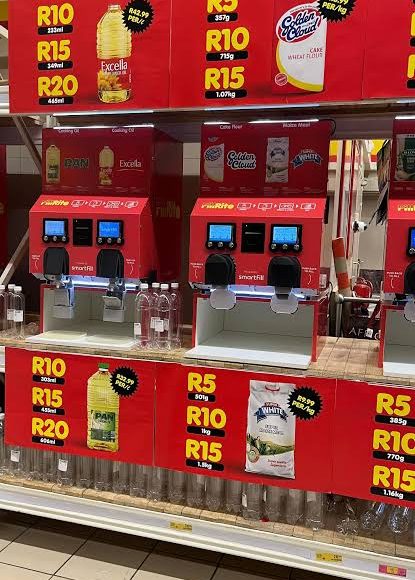
Shoprite tests FillRite refills that let shoppers buy essentials from R5
What if you only have R5 for cooking oil, sugar or another...

Brad Binder joins BMW for new WorldSBK chapter in 2027
South African MotoGP star Brad Binder is heading to WorldSBK after signing...

Caravan chocolate is back in South Africa, but only for a limited time
Remember Caravan? The chocolate bar that disappeared from South African shelves is...



New DStv packages and prices: What changes from 17 September
DStv is introducing a new package structure in South Africa from 17...
