


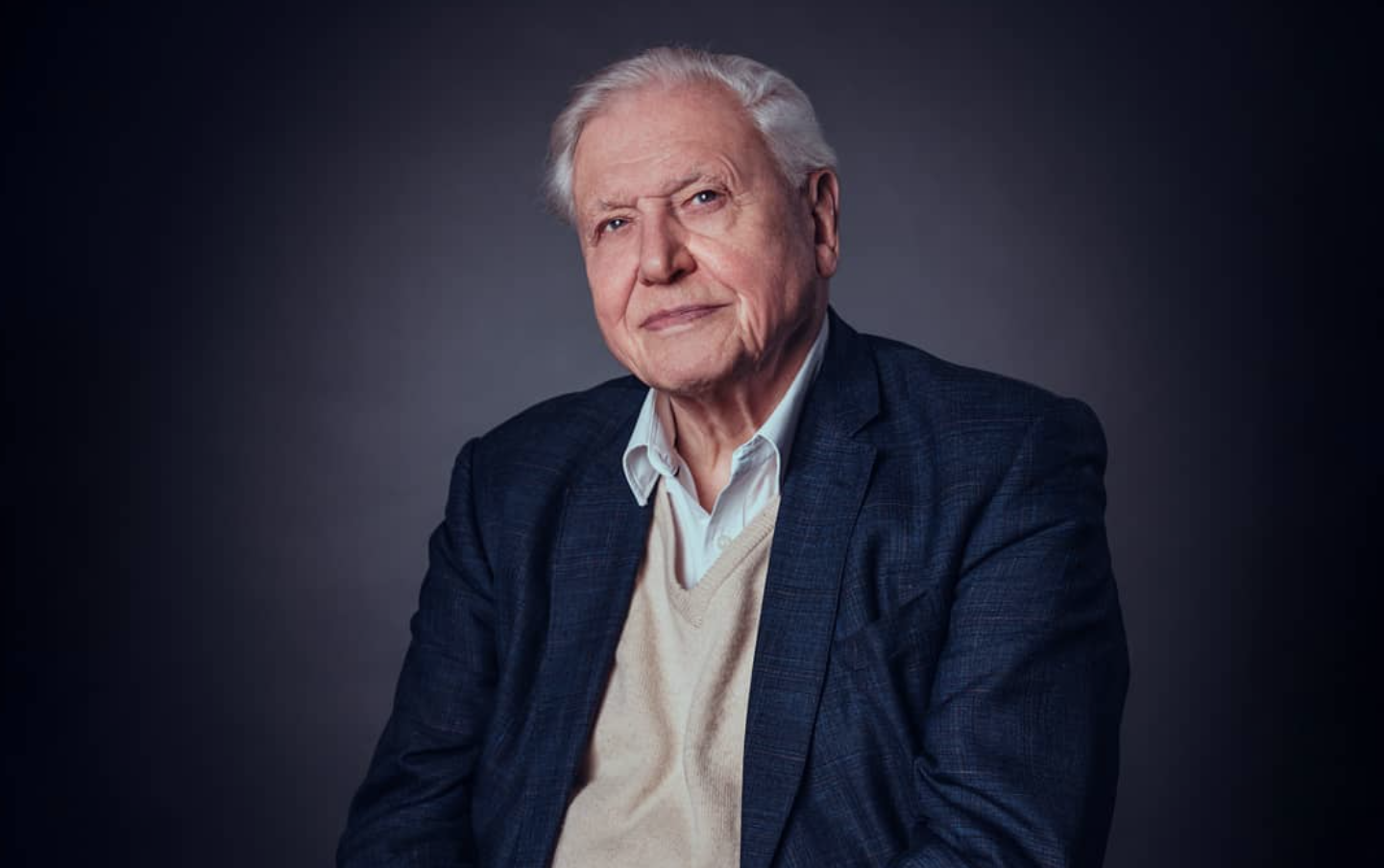
Happy 100th Birthday Sir David Attenborough: Celebrating the voice that changed how we see Earth
The world is celebrating a historic milestone today as David Attenborough turns 100 years old.
For generations, Sir David has become the voice of the natural world, bringing viewers closer to Earth’s most extraordinary wildlife, landscapes and environmental challenges through decades of groundbreaking television.
As tributes poured in globally on 8 May 2026, the legendary broadcaster released an audio message saying he was “overwhelmed” by the outpouring of birthday wishes from fans around the world.
Adding to the celebrations, the Natural History Museum recently named a newly discovered parasitic wasp species, Attenboroughnculus tau, in his honour.
From Cambridge student to global icon
Born on 8 May 1926, Attenborough studied Natural Sciences at University of Cambridge before graduating in 1947.
He later completed two years of National Service in the Royal Navy before joining BBC Television in 1952.
Just two years later, he launched the now-iconic Zoo Quest, which introduced millions of viewers to wildlife filmmaking and global conservation storytelling.
By 1969, Attenborough had become Director of Programmes for both BBC television networks. Despite the prestigious role, he eventually stepped away from executive leadership in 1973 to return to filmmaking and wildlife storytelling full-time.
That decision would help shape some of the most influential nature documentaries ever created.
The documentaries that changed television forever
Attenborough’s landmark “Life” series transformed wildlife broadcasting and inspired generations of environmentalists, scientists and filmmakers.
His major series include:
- Life on Earth
- The Living Planet
- The Trials of Life
- Planet Earth
- Planet Earth II
- Frozen Planet
- The Blue Planet
- Seven Worlds, One Planet
- The Green Planet
- Planet Earth III
His work also expanded onto streaming platforms through productions including:
- Our Planet
- David Attenborough: A Life on Our Planet
- Prehistoric Planet
Knighted and honoured across the world
Attenborough was knighted in 1985 for his services to television and broadcasting.
Over the decades, he has received:
- honorary degrees from universities worldwide
- multiple BAFTA awards
- international conservation honours
- recognition for environmental advocacy
Remarkably, he remains the only person to have won BAFTAs across:
- black and white television
- colour television
- HD broadcasting
- 3D programming
He also serves as patron or supporter of numerous environmental organisations, including the World Land Trust.
Five fascinating facts about David Attenborough
1. He has never had a driving licence
Despite travelling the world for decades, Sir David has never passed a driving test or owned a car.
2. He travelled around the world 10 times filming birds
While creating The Life of Birds, he travelled roughly 256,000 miles.
3. He dislikes rats
Although he is famous for his love of wildlife, Attenborough has admitted he is not fond of rats.
4. More than 50 species are named after him
Plants, insects and animals across the world now carry the Attenborough name.
5. He helped redefine environmental awareness
Many scientists and conservationists credit Attenborough’s documentaries for helping reshape public understanding of climate change, biodiversity loss and conservation.
A voice that shaped generations
Few broadcasters in history have had the cultural and environmental impact of David Attenborough.
Across seven decades, his storytelling helped millions of people connect emotionally with the planet while also warning about humanity’s impact on ecosystems and wildlife.
At 100 years old, Sir David remains one of the most respected voices in global conservation.





Related Articles

Premier League Returns With 10 Fixtures and a Fantasy Football Deadline
The Premier League returns on Friday, 21 August 2026, with Arsenal hosting...

Miguel Sets Three South African Concert Dates for May 2027
Grammy Award-winning R&B singer Miguel will return to South Africa for three...

Why Women Can’t Resist Bubbly
There’s a reason a glass of bubbly can turn an ordinary evening...



Mpho Popps to Host 2026 Content Creator Awards
Mpho “Popps” Modikoane will host the 2026 Content Creator Awards, bringing his...
