


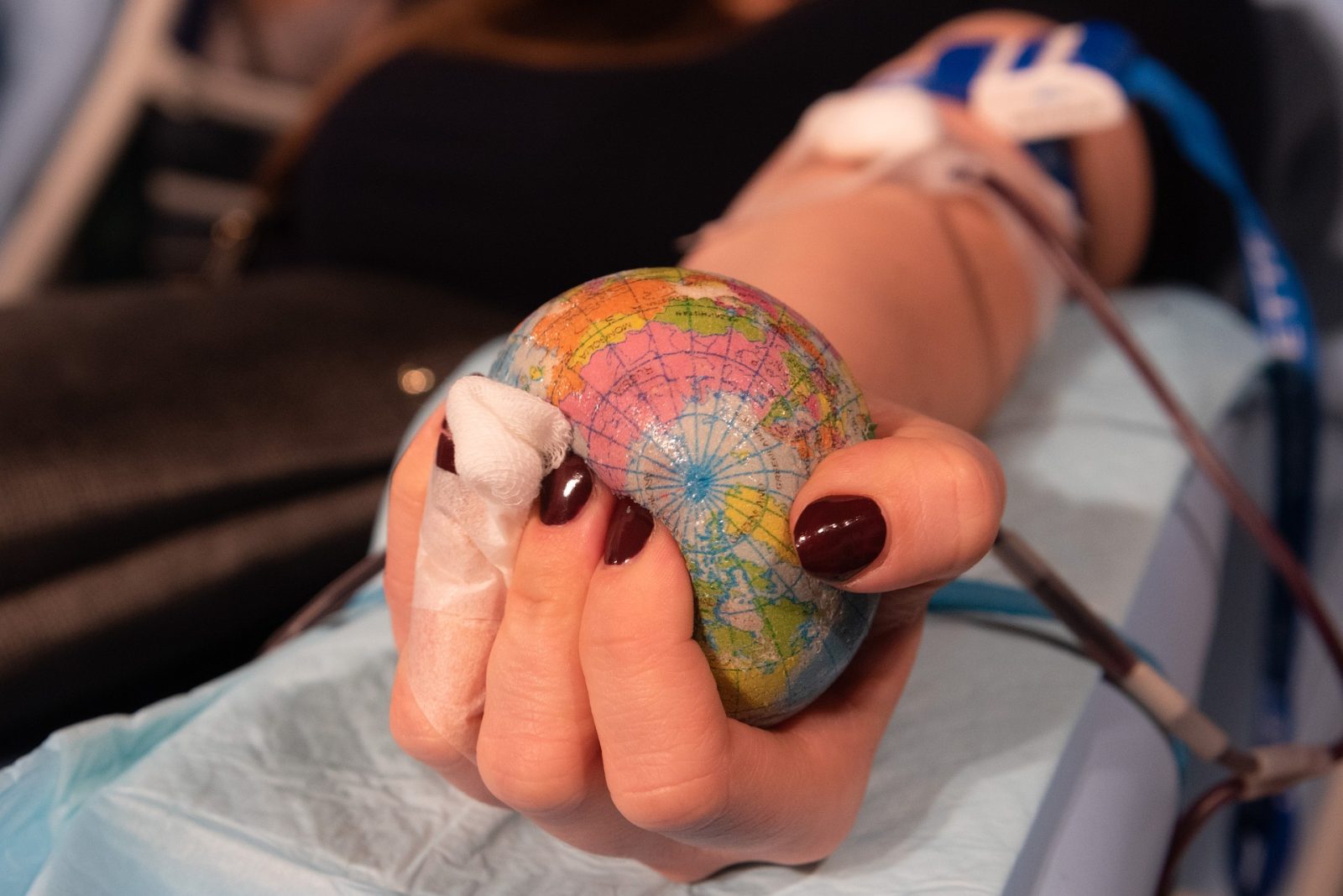
By: South African National Blood Service (SANBS)
South Africa relies on voluntary, unpaid blood donors. Fewer than 1% of the population donates blood, yet demand remains constant.
Blood expires after 42 days, which means regular donations are essential.
Under the National Health Act 61 of 2003, paying donors is illegal. This protects patient safety and aligns South Africa with global best practice supported by the World Health Organisation and the International Federation of Red Cross and Red Crescent Societies.
Why voluntary donors matter
Voluntary donors give blood out of altruism, not financial need. This reduces risk. Donors are more honest about medical history and lifestyle factors during screening.
In paid systems, donors may hide information to secure payment, increasing the risk of contaminated or unusable blood entering the system.
Why blood is not free
Blood is donated freely, but collecting and supplying it is costly. SANBS receives no government funding. It operates as a non-profit organisation and recovers costs through service fees.
These fees cover:
• Donor screening and medical oversight
• Blood collection equipment and approved blood bags
• Testing for HIV, Hepatitis B and C, and Syphilis
• Specialist laboratory processing
• Cold-chain storage and transport
• Inventory management and distribution
• Staff, technology, and operational infrastructure
Every step must meet strict safety and regulatory standards. Any failure in timing, temperature, or handling renders blood unusable.
Who pays for blood
Patients are rarely expected to pay out of pocket.
• In public hospitals, costs are covered by the state
• In private hospitals, medical aids usually cover blood as a prescribed minimum benefit
• Cash-paying patients may be billed directly
SANBS engages with patients facing financial hardship and offers support where possible.
Why paying for blood is dangerous
Paying donors introduces serious health risks. It increases the likelihood of dishonest screening responses and unsafe donations. This threatens both recipients and donors.
A voluntary system remains the safest and most sustainable way to protect national blood supplies.
Why education matters
The blood supply chain starts with a donor and ends with a patient, with many critical stages in between. Understanding how the system works helps build trust, encourages donation, and supports sustainability.
When you donate blood, you give something science cannot manufacture. You give time. You give life. You give someone another chance.




Related Articles
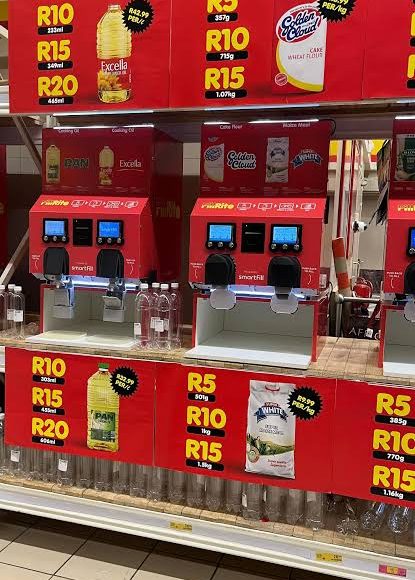
Shoprite tests FillRite refills that let shoppers buy essentials from R5
What if you only have R5 for cooking oil, sugar or another...

Brad Binder joins BMW for new WorldSBK chapter in 2027
South African MotoGP star Brad Binder is heading to WorldSBK after signing...

Caravan chocolate is back in South Africa, but only for a limited time
Remember Caravan? The chocolate bar that disappeared from South African shelves is...



New DStv packages and prices: What changes from 17 September
DStv is introducing a new package structure in South Africa from 17...
