


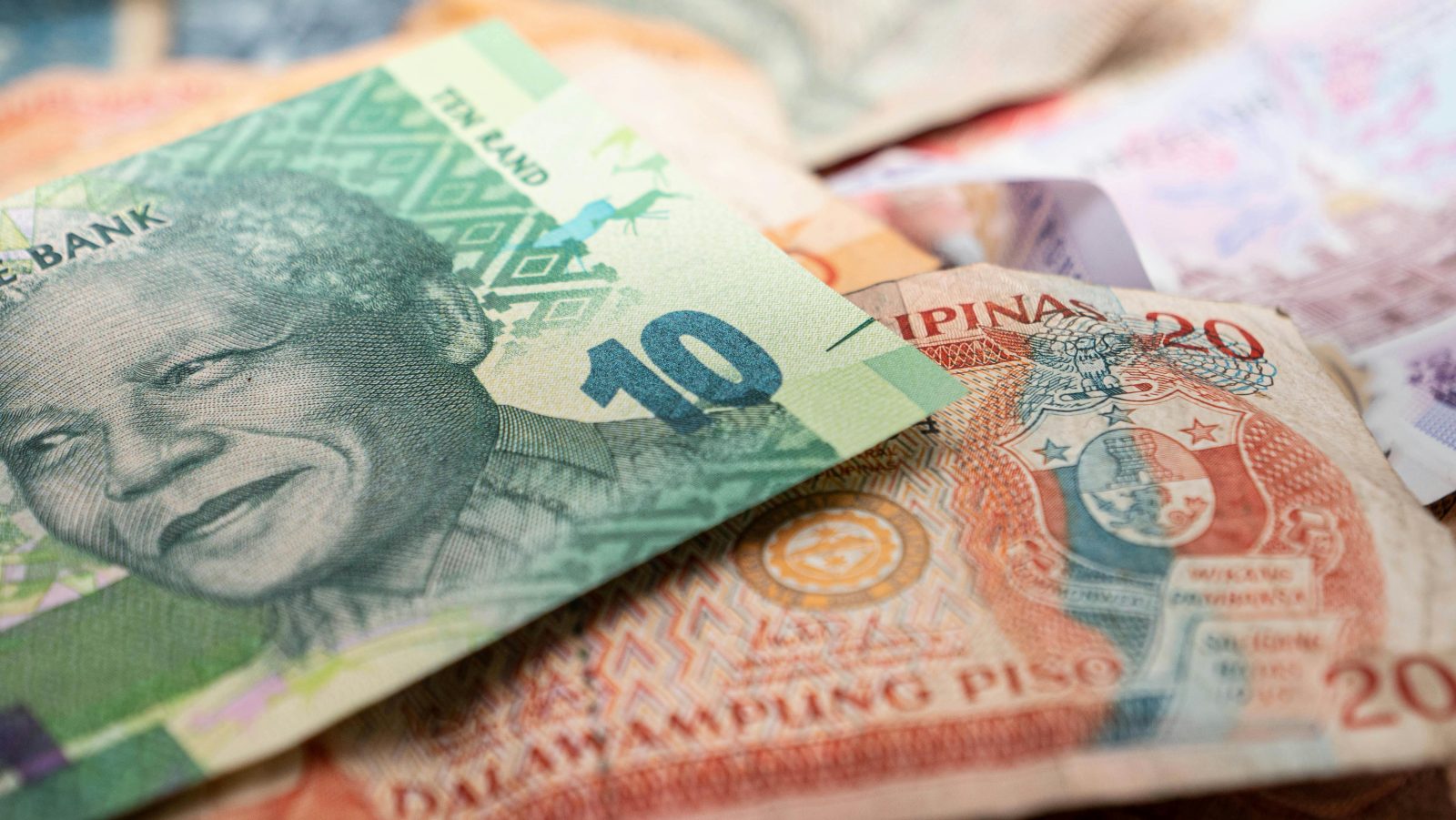

South Africa’s government debt has stabilised for the first time in 17 years, making this the standout outcome of Finance Minister Enoch Godongwana’s 2026 Budget Speech.
Gross national debt is set to reach 78.9% of GDP in 2025/26 before gradually declining. The budget deficit narrows to 4.5% of GDP, while the primary surplus is expected to climb above 2% by 2028/29. This marks a turning point after years of credit downgrades, rising debt-service costs and fiscal strain.
Stabilising debt reduces borrowing pressure and strengthens confidence in South Africa’s capital markets. National Treasury plans to introduce a principle-based fiscal anchor to entrench discipline over the medium term.
Tax Relief and Investment Adjustments
Government has scrapped R20 billion in planned tax hikes. Personal income tax brackets and rebates are fully adjusted for inflation, protecting taxpayers from bracket creep.
Key changes include:
• Annual tax-free investment limits rise to R46 000.
• Retirement fund deduction caps increase to R430 000.
• The small business VAT registration threshold jumps to R2.3 million from R1 million.
• Excise duties and fuel levies increase in line with inflation.
Infrastructure Spend Tops R1 Trillion
More than R1 trillion will be allocated to public-sector infrastructure over the medium term, with transport, logistics, energy and water projects prioritised.
Support for PRASA’s rail corridor recovery continues. A Credit Guarantee Vehicle, developed with the World Bank, will mobilise private investment into electricity transmission infrastructure.
Social Wage and Grant Increases
Total government spending reaches R2.67 trillion, with over 60% of non-interest expenditure directed to the social wage.
Grant increases include:
• Old age, disability and care dependency grants rising to R2 400.
• The child support grant has increased to R580.
• R26 billion allocated to HIV and Aids programmes.
Savings, Security and Governance
Treasury has identified R12 billion in savings through expenditure reviews and fraud prevention measures. Nearly 35 000 incorrect or fraudulent social grants have been terminated.
Spending on peace, security and border management rises, with additional funding directed to the judiciary.
Financial Sector Reforms
Draft regulations will incorporate crypto assets into the capital flow management framework.
More than R88 billion in unclaimed financial assets will be consolidated under a central administrator. The national payments system modernisation continues in partnership with the South African Reserve Bank.
Growth Outlook
Economic growth is forecast at 1.6% in 2026, rising to 2% by 2028.
While risks remain, Budget 2026 signals a decisive move towards fiscal stability. The next step is converting that stability into sustained economic growth and stronger job creation.








Related Articles
South Africa faces unusually strong El Niño as SAWS warns of hotter, drier summer conditions
South Africa is already experiencing an exceptionally strong El Niño, with forecasts...
SASSA November 2026 grant payment dates could change due to elections
SASSA is reviewing its November 2026 social grant payment dates after Election...

Inside Manchester City’s £900m financial breaches as Premier League sanction looms
Manchester City artificially inflated revenues and reduced costs by more than £900...



Ford Tourneo Custom Titanium X AWD arrives in South Africa
Ford South Africa has expanded its premium people-mover range with the launch...
