


Artificial intelligence is becoming an increasingly common part of the car-buying journey, helping South Africans compare vehicles, assess prices and research options before visiting a dealership.
But while AI can simplify the process, industry experts warn that buyers should not rely on it alone when making a major purchase.
From comparing vehicle specifications to estimating running costs, AI-powered tools are transforming how consumers shop for cars. However, experts say the technology can also create a false sense of certainty if buyers fail to verify the information it provides.
More Car Buyers Are Using AI
Globally, around 44% of consumers now use AI during their vehicle search, relying on digital tools to compare models, locate listings and summarise reviews.
The trend is particularly noticeable among younger and first-time buyers, many of whom begin their search online long before speaking to a dealership or private seller.
These buyers are increasingly using AI to research:
- Vehicle prices
- Specifications and features
- Finance options
- Running costs
- Reliability information
- Market comparisons
According to Mike Pashut, CEO and Founder of Changecars.co.za, AI has become a valuable research tool, but it should not replace proper due diligence.
“AI can be a very useful assistant in the car-buying process, but it should never be treated as the final authority,” says Pashut.
“A vehicle is still a high-value purchase. Buyers need technology, but they also need verification, transparency and common sense.”
How AI Can Help Car Buyers
Artificial intelligence offers several advantages for consumers navigating the often-complex vehicle market.
Easier Vehicle Comparisons
AI tools can quickly compare similar vehicle models and explain technical specifications in plain language, helping buyers understand the differences between vehicles.
Better Understanding of Vehicle Value
AI can assist consumers in understanding how factors such as:
- Mileage
- Vehicle age
- Fuel type
- Service history
influence a vehicle’s market value.
Running Cost Estimates
Some AI-powered platforms can estimate ownership costs, including fuel consumption, maintenance expenses and insurance considerations.
Identifying Pricing Anomalies
AI can also help flag vehicles that appear significantly overpriced or underpriced compared to similar listings.
AI Is Also Helping Car Sellers
The technology is not only changing how people buy vehicles.
Sellers are increasingly using AI to improve vehicle listings by:
- Creating clearer descriptions
- Highlighting missing information
- Improving listing quality
- Positioning vehicles more competitively
This can make listings more attractive to potential buyers and improve visibility online.
Where AI Can Get It Wrong
Despite its benefits, AI has limitations.
The accuracy of any AI-generated recommendation depends entirely on the quality and completeness of the information available.
A chatbot or AI assistant may confidently describe features without knowing:
- The exact model derivative
- The vehicle’s condition
- Accident history
- Maintenance issues
- Ownership complications
Pricing tools may also fail to account for factors such as:
- Previous accident damage
- Outstanding finance
- Poor service records
- Regional market demand
- Vehicle modifications
In some cases, AI-generated listings can make vehicles appear more appealing than they really are.
The Basics Still Matter
Pashut says buyers should continue following traditional vehicle-buying checks regardless of how much AI they use during their research.
“The basics should still lead your decision,” says Pashut.
“No buyer should rely only on a generated answer or a polished listing. Ask for the service history, check the VIN, compare the price, inspect the car and verify ownership.”
Warning Signs Buyers Should Never Ignore
While technology is changing the car-buying process, the most common warning signs remain the same.
Buyers should be cautious if they encounter:
- Prices that seem unusually low
- Missing paperwork
- Inconsistent mileage records
- Incomplete service histories
- Sellers unwilling to allow inspections
- Pressure to pay deposits immediately
These warning signs often indicate risks that no AI tool can fully assess.
AI Should Support, Not Replace, Decision-Making
As South Africa’s automotive marketplace becomes increasingly digital, AI is expected to play an even larger role in helping consumers research vehicles and make informed decisions.
However, experts caution that technology should support the buying process rather than replace independent verification.
For South Africans looking to buy a vehicle, the smartest approach is to combine AI-powered insights with careful inspections, proper documentation checks and common sense.
In the end, a successful car purchase still depends on accurate information, thorough research and taking the time to verify the facts.








Related Articles
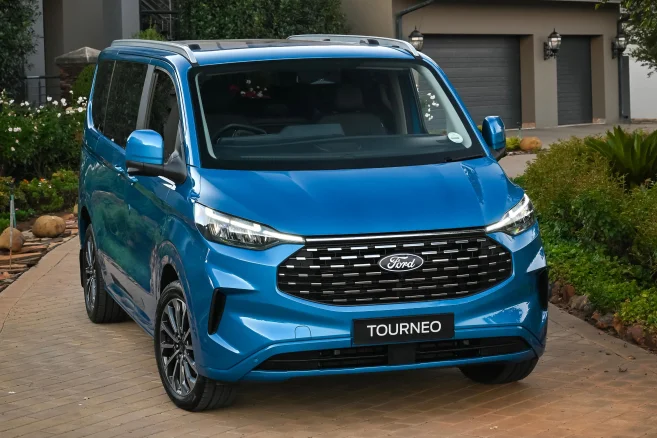
Ford Tourneo Custom Titanium X AWD arrives in South Africa
Ford South Africa has expanded its premium people-mover range with the launch...

Suzuki Grand Vitara recall: 543 vehicles affected in South Africa
Suzuki Auto South Africa is recalling 543 Grand Vitara vehicles over a...

TikTok One launches in South Africa, opening new earning opportunities for creators
South African TikTok creators now have another way to earn money from...


AARTO scam warning: Motorists urged not to click fake traffic fine links
The Road Traffic Infringement Authority (RTIA) has warned South African motorists about...
