


Temo Mpodi
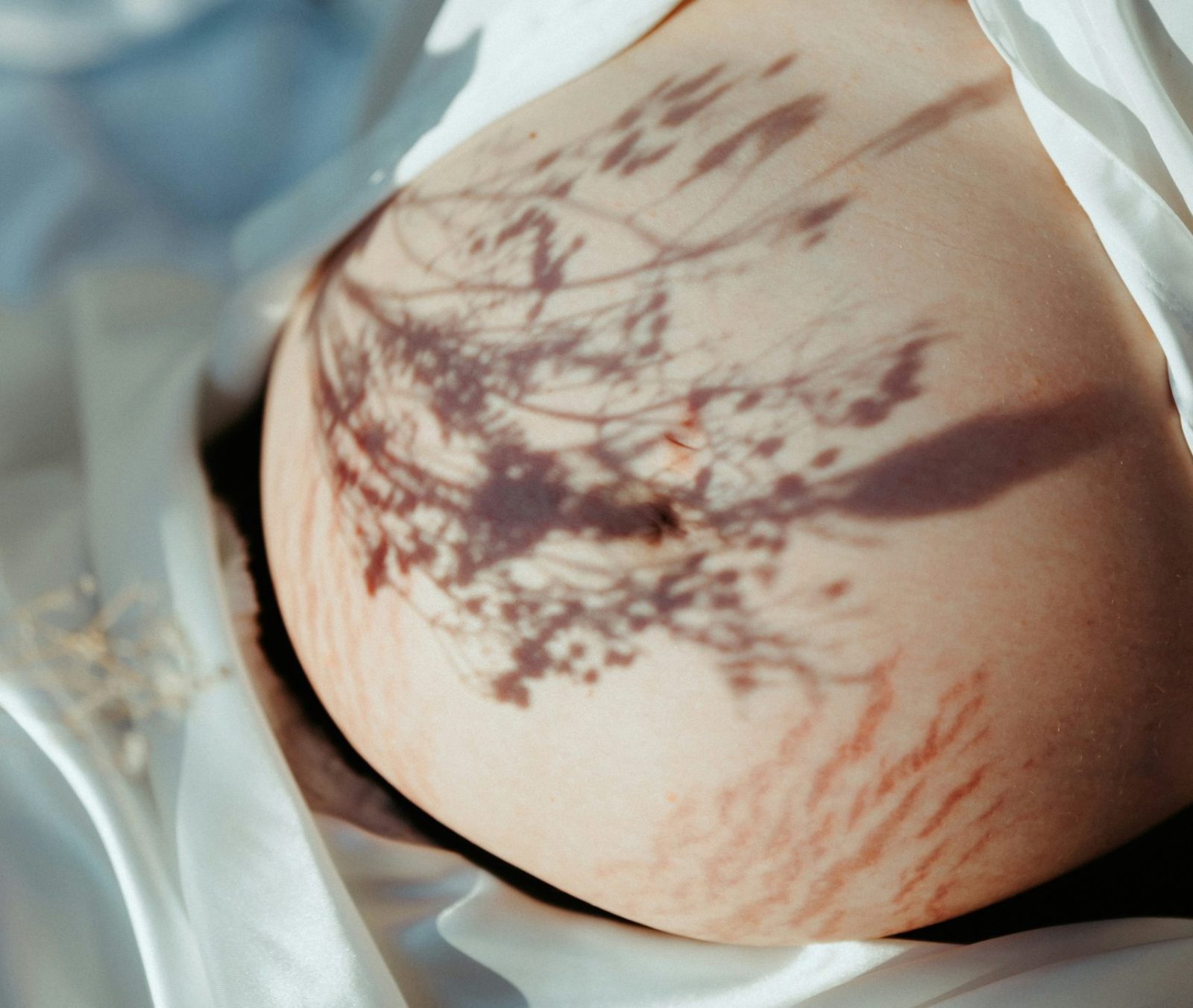
Almost everyone develops stretch marks at some point – whether during puberty, pregnancy, weight gain, or even rapid muscle growth.
They most often appear on the abdomen, hips, buttocks, thighs, or breasts. Fresh marks usually start out dark, then gradually fade to silvery lines over time.
And while they’re completely normal, many people wonder if there’s a way to make them less noticeable. The short answer? They can be minimised, but not completely erased.
Why They’re Tough to Treat
Stretch marks form when skin stretches faster than collagen and elastin fibres can keep up, causing tiny tears beneath the surface. Once they appear, they’re difficult to treat fully – but tackling them early, while they’re still dark and “new,” yields the best results.
“There’s no one-size-fits-all solution,” says skin experts. “Different products and treatments work better depending on the age and severity of the marks.”
Products That Can Help
Skincare Solutions
Certain topical products can support the skin’s ability to rebuild collagen:
- Biomedical Emporium Stretchmark & Cellulite Therapy – formulated to restore deconstructed collagen fibres, promote elastic fibre architecture, and tighten damaged skin.
- Tissue Oils – a staple in many households. Massaging tissue oil daily into the skin can improve hydration and texture. Biomedical Emporium Q10 Tissue Oil includes co-enzyme Q10 to boost skin elasticity, energy, and deep hydration.
Keeping skin hydrated is key, not just for comfort, but to reduce the appearance and itchiness of stretch marks.
Myths to Avoid
A common misconception is that tanning hides stretch marks. In reality, UV exposure can make them more visible, while also damaging skin at a DNA level and speeding up ageing. A safer option? Use a self-tanning product for a subtle camouflage without the risks.
Professional Treatments
For stubborn stretch marks, dermatologists and aesthetic clinics may recommend advanced options such as:
- Microneedling to stimulate collagen production
- Chemical peels or retinoids to boost skin renewal
- Laser therapies to target pigmentation and texture
These are often more effective when combined with at-home care.
The Bottom Line
Stretch marks may never disappear completely, but with consistent care and the right products, they can fade and blend more naturally with your skin.
The earlier you treat them, the better the results. Most importantly, remember they’re not flaws – they’re simply part of your skin’s story.




Related Articles
Are you applying your skincare in the wrong order? Here’s what goes first
Choosing the right skincare products is only half the story. How you...
![NUXE Nuxuriance Ultra ALFA [3R] Anti-Dark Spot and Anti-Aging Cream SPF30](https://inboundsa.com/wp-content/uploads/2026/09/Featured-Image-1-680x580.jpg)
Dark spots, ageing and sun protection: NUXE targets all three in one cream
Skincare concerns rarely arrive one at a time. As skin changes over...

Self-care doesn’t have to be another thing on your to-do list
Ask a woman what self-care looks like and chances are the answer...



The right order to apply your skincare products
If your bathroom shelf is groaning under the weight of serums, acids,...
