


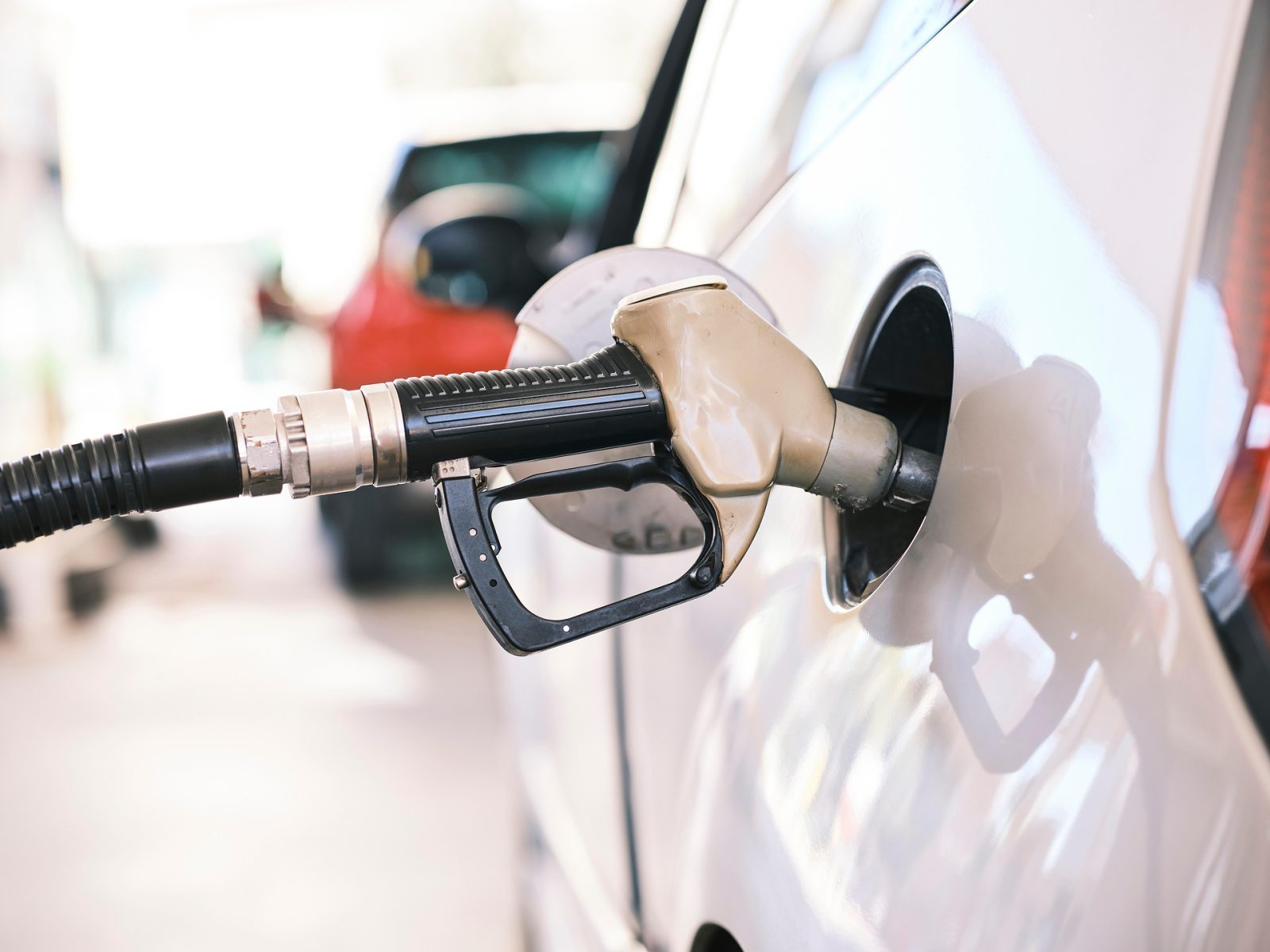
Search interest around fuel prices in South Africa is rising fast, with motorists preparing for a sharp increase set to take effect in early May.
Current projections point to one of the largest monthly increases in recent years, driven by global oil prices and a key local policy change.
ALSO READ: Beyers Chocolate Collapses After alleged Woolworths Dispute
Expected fuel price increases for May
Latest projections indicate:
- Petrol 95: up by around R2.14 per litre
- Petrol 93: up by around R1.82 per litre
- Diesel 0.05%: up by around R5.92 per litre
- Diesel 0.005%: up by around R5.93 per litre
The scale of the diesel increase is expected to have wider economic impact.
The R3 fuel levy relief is ending
A temporary fuel levy reduction has been in place since 1 April 2026.
This reduced the general fuel levy to:
- R1.10 per litre for petrol
- 93 cents per litre for diesel
The relief is set to expire on 5 May 2026.
If it is not extended, the full levy will be added back from 6 May.
This alone will drive a large portion of the expected increase.
Will the relief be extended
Government is reviewing whether to extend the relief.
Enoch Godongwana has indicated that while pressure exists to continue the measure, it is not sustainable over the long term.
Business groups and unions have called for an extension due to rising fuel costs.
At this stage, no confirmation has been made.
Global oil prices remain high
International oil prices have remained elevated, trading close to $90 per barrel during April.
Geopolitical instability continues to influence supply and pricing.
Under-recovery is adding pressure
Fuel prices are adjusted monthly based on cost recovery.
During April:
- higher oil prices
- a weaker rand
created under-recoveries.
These are now being corrected in May, adding to the increase.
Why diesel is rising faster
Diesel prices are more sensitive to global supply conditions.
This affects key sectors such as:
- logistics
- agriculture
- transport
Higher diesel costs often filter through to food and goods pricing.
What this means for South Africans
Fuel increases tend to impact more than transport.
You can expect pressure on:
- food prices
- delivery costs
- daily commuting
For businesses, this increases operating costs and pricing pressure.
What to do before the increase
To manage short-term impact:
- fill up before 6 May
- plan for higher monthly fuel spend
- review transport and delivery costs
The bottom line
The May 2026 fuel increase is driven by two key factors:
- the end of the R3 fuel levy relief
- sustained global oil price pressure
If the relief is not extended, the full increase will be felt immediately.







Related Articles
South Africa faces unusually strong El Niño as SAWS warns of hotter, drier summer conditions
South Africa is already experiencing an exceptionally strong El Niño, with forecasts...
SASSA November 2026 grant payment dates could change due to elections
SASSA is reviewing its November 2026 social grant payment dates after Election...

Inside Manchester City’s £900m financial breaches as Premier League sanction looms
Manchester City artificially inflated revenues and reduced costs by more than £900...



Ford Tourneo Custom Titanium X AWD arrives in South Africa
Ford South Africa has expanded its premium people-mover range with the launch...
