


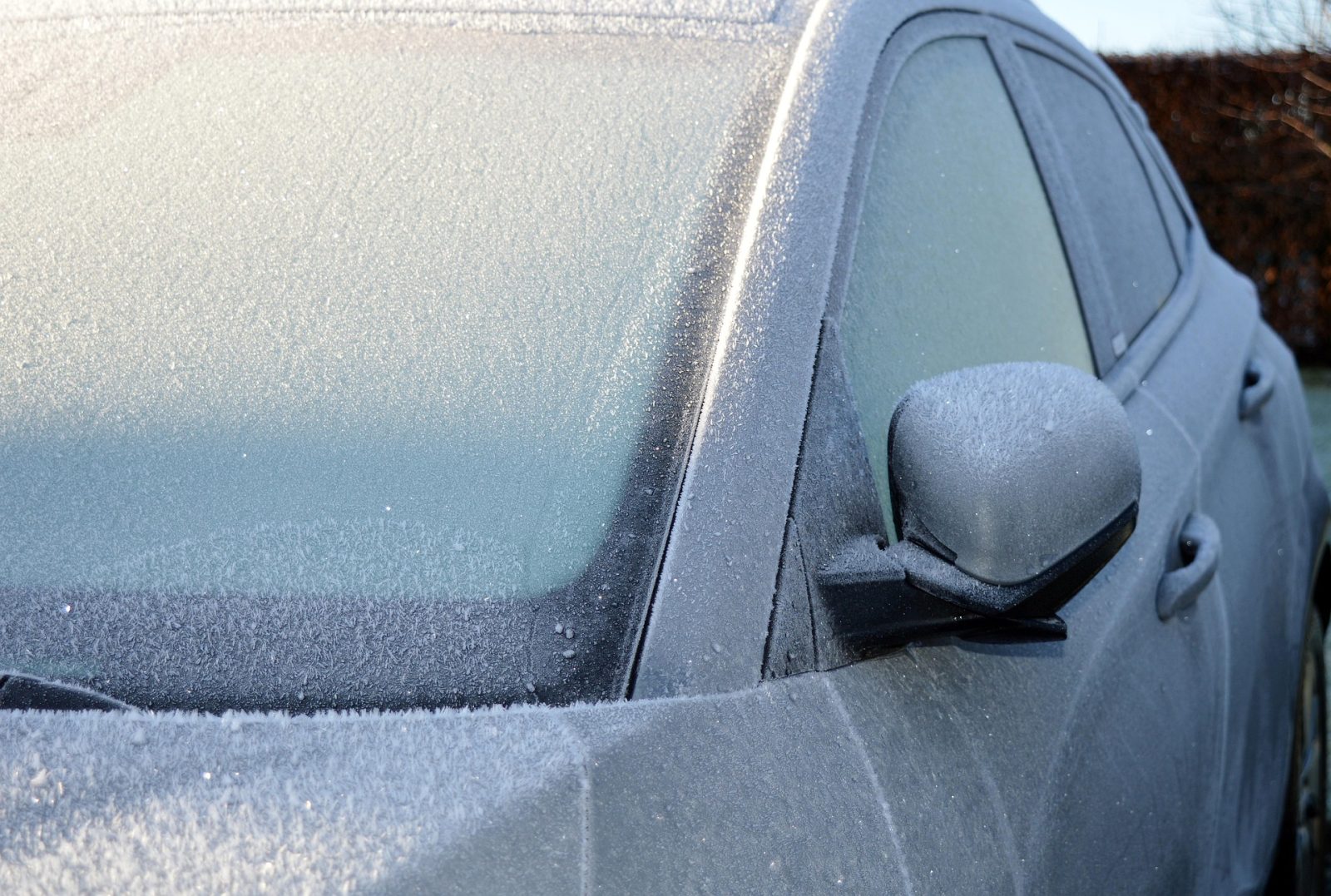
It might seem like a quick way to clear an icy windscreen on a cold winter morning, but pouring hot or boiling water onto frozen glass can cause serious and costly damage.
The sudden temperature change creates rapid, uneven expansion of the glass, a process known as thermal shock. This stress can cause a windscreen to crack or even shatter instantly, even if there are no visible chips or damage beforehand.
Instead, motorists should use safer methods to remove ice without risking a broken windscreen.
The safest way to defrost your windscreen
1. Start your car and use the defroster
Turn on your vehicle and set the heater to full, directing the airflow to the windscreen using the defrost setting.
This gradually warms the glass from the inside, helping melt the ice safely.
2. Use lukewarm or room-temperature water
If you’re short on time and need to use water, only use room-temperature or lukewarm tap water.
Avoid hot or boiling water, which can trigger thermal shock and damage the glass.
3. Spray on a de-icer
A commercial alcohol-based de-icing spray helps loosen ice quickly and safely.
Spray it evenly across the windscreen and allow it to work before removing the ice.
4. Gently scrape away the ice
Once the ice has softened, use a plastic ice scraper or another non-metallic tool to remove the remaining slush.
Avoid using metal objects, which can scratch or damage the glass.
Avoid an expensive mistake
While boiling water might seem like the fastest solution, it can easily turn a frosty morning into an expensive repair bill.
Using gradual heat, lukewarm water and the proper tools is the safest way to clear your windscreen and get back on the road.








Related Articles

Inside Manchester City’s £900m financial breaches as Premier League sanction looms
Manchester City artificially inflated revenues and reduced costs by more than £900...

Ford Tourneo Custom Titanium X AWD arrives in South Africa
Ford South Africa has expanded its premium people-mover range with the launch...

DStv 7 Day Upgrade: Who qualifies and how the free viewing works
DStv customers who pay their monthly subscriptions in full and on time...



World Heart Day: The heart risks you may not know you have
Your heart can feel perfectly healthy even when cardiovascular risk factors are...
