


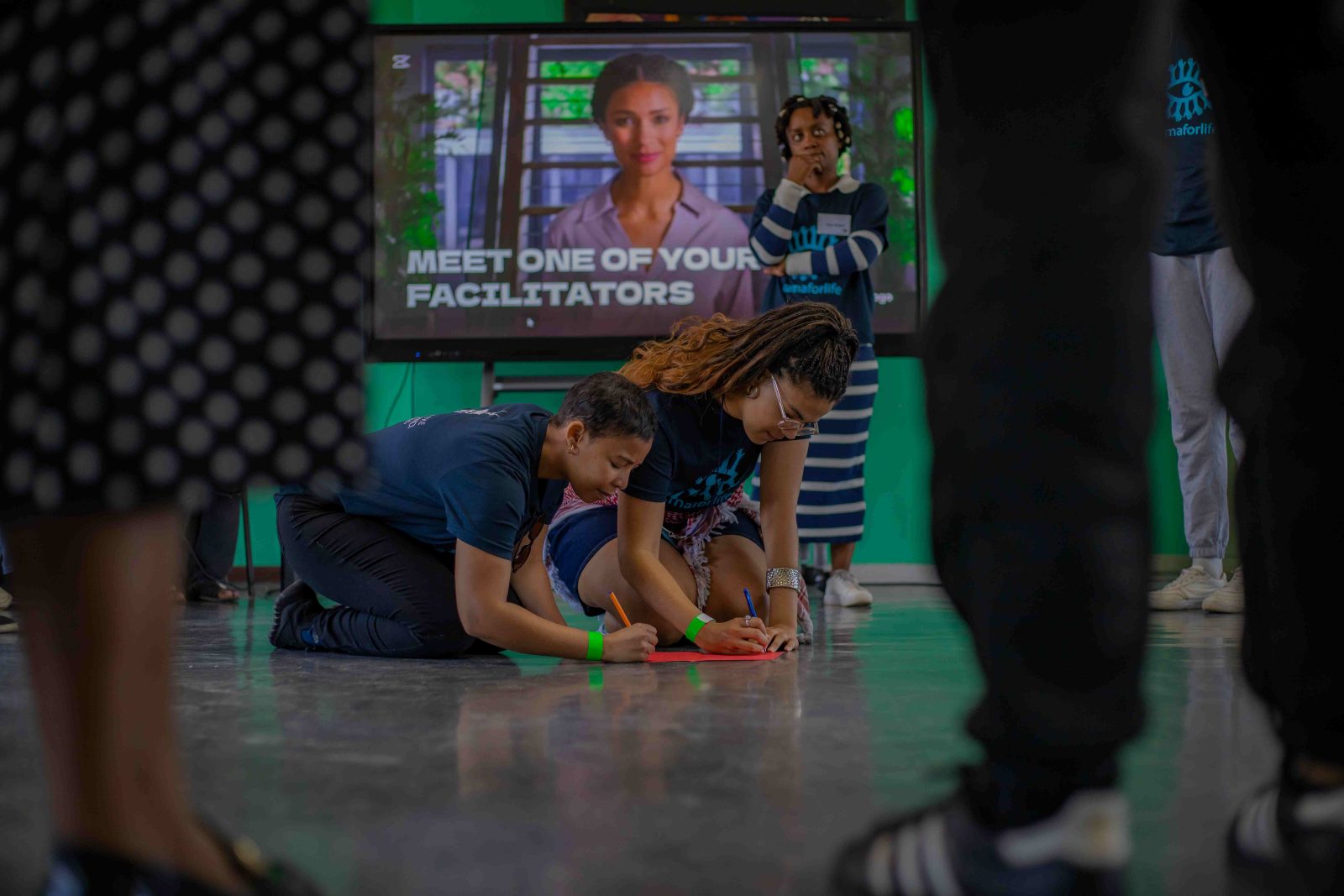
Fifty years after the 1976 Soweto Uprising, a two-day festival at Wits University will bring artists, academics, activists, researchers, students and communities together to examine what South Africa’s youth have inherited and what comes next.
Drama for Life will host its 18th Conference and Festival, Footsteps on Fire: Reclaiming the Legacy of 1976 to Now, on 22 and 23 September 2026 at the University of the Witwatersrand in Johannesburg.
The festival marks three significant anniversaries: 70 years since the 1956 Women’s March, 50 years since the 1976 Soweto Uprising and 30 years since the adoption of South Africa’s Constitution.
Rather than treating these moments as history that belongs only to the past, the programme will explore their connection to South Africa in 2026.
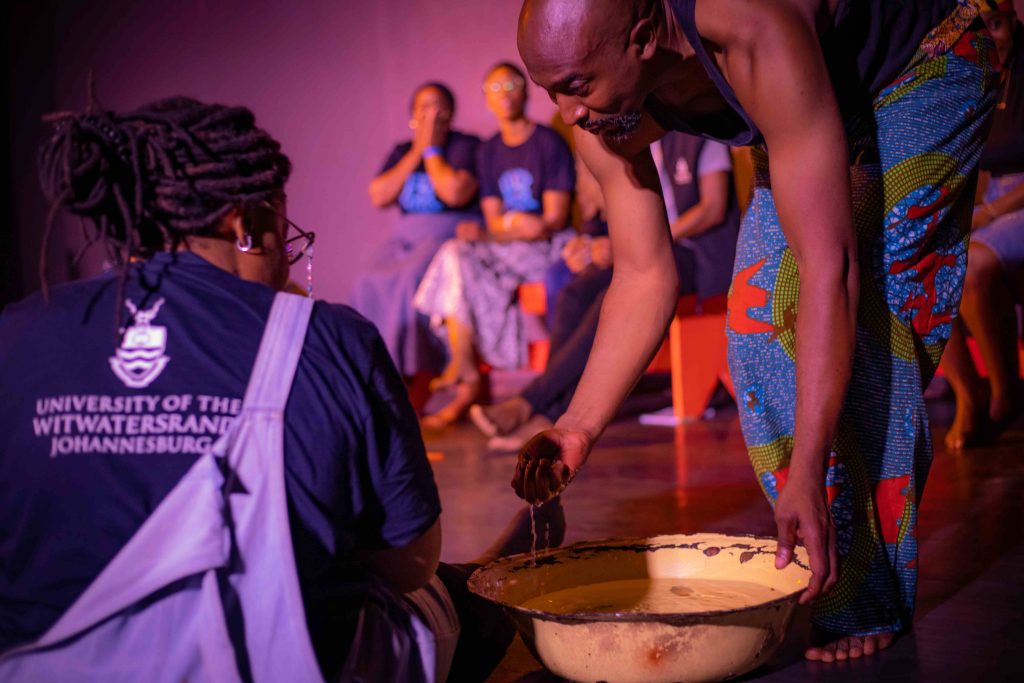
What has South Africa inherited from 1976?
At the centre of Footsteps on Fire is an invitation to remember, question, perform and imagine.
The festival will ask whose footsteps South Africans are following, which stories have fallen silent, what remains unfinished and what this generation will leave behind.
“Footsteps on Fire is not about romanticising the past,” says Conference and Festival Director Ross-Junior Hlongwane.
“It is about understanding what we have inherited, interrogating where we are now and creating space for young people, artists, researchers and communities to imagine what comes next.”
Theatre becomes a way of exploring memory
For Drama for Life, theatre extends beyond what happens on a conventional stage.
The festival approaches performance as a way of remembering, questioning, witnessing and gathering, while creating spaces to explore lived experiences and difficult conversations.
Across two days, the programme will combine performance, spoken word, music, research, dialogue, workshops, screenings and site-responsive experiences.
Themes will include youth agency, intergenerational memory, democratic participation, identity, healing, protest and radical imagination.
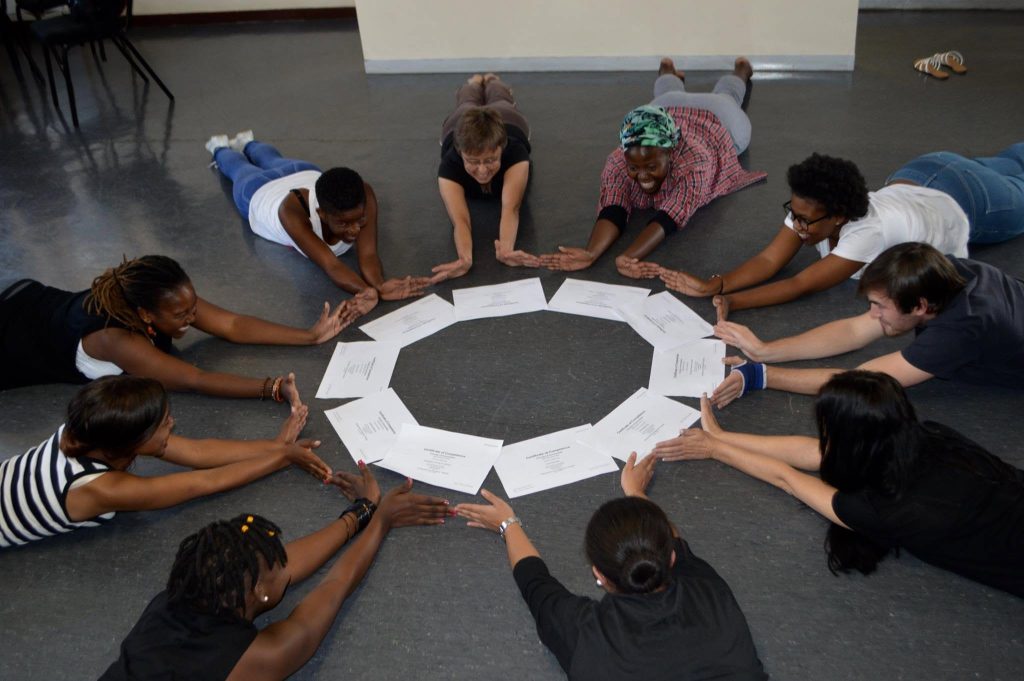
Day One: Memory, Protest and Democratic Practice
The first day will trace resistance from 1956 and 1976 through to the present.
Stories of women’s resistance, education, youth activism and the Constitution will form part of the programme.
Highlights include The Fire We Inherited and From Soweto to Tomorrow: What Are Young People Inheriting?, alongside research presentations, workshops and a professional theatre performance.
Day Two: Healing, Belonging and Collective Futures
The second day shifts the focus towards the future.
Conversations will include Performing Democracy: The Constitution, Power and the People and Theatre as Living Protest: Can Art Still Change the World?
The format itself will also move away from a conventional conference structure.
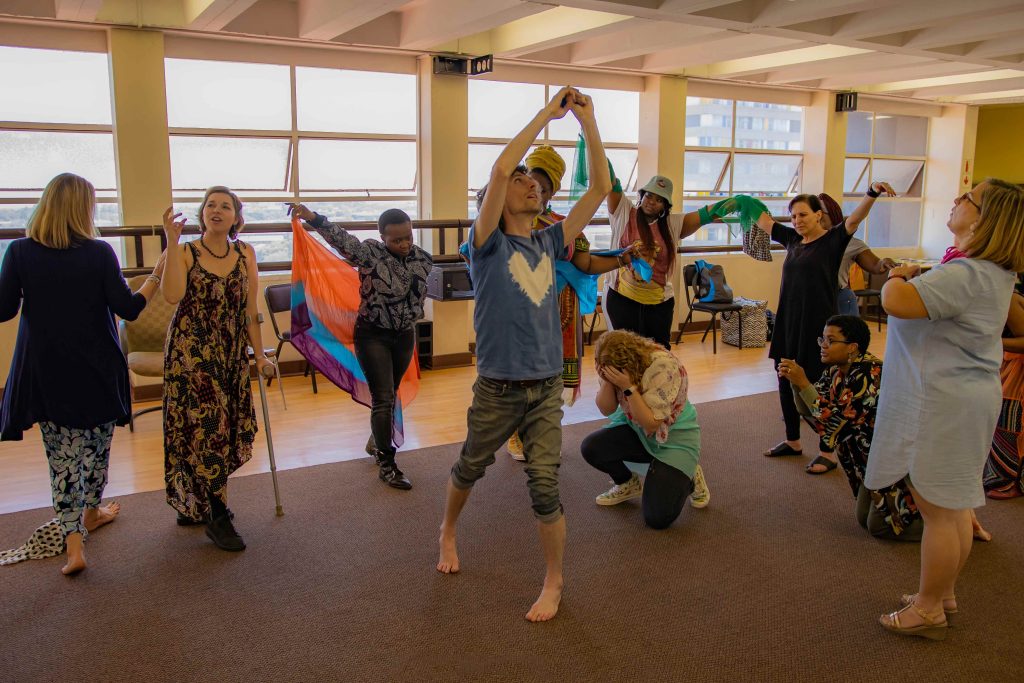
Participants will shift between collective “Together Moments” and more intimate “Separate Moments”, providing opportunities to listen, move, encounter, perform, question and make meaning together.
In doing so, Footsteps on Fire aims to create a space where history is not simply discussed, but felt, performed and reimagined.
Fifty years after 1976, the festival asks what South Africa remembers, what it carries forward and what stories a new generation will leave behind.
Footsteps on Fire event details
Event: 18th Drama for Life Conference and Festival
Theme: Footsteps on Fire: Reclaiming the Legacy of 1976 to Now
Dates: 22–23 September 2026
Venue: University of the Witwatersrand, Braamfontein, Johannesburg








Related Articles

Saudi Film Nights heads to Joburg, Durban and Cape Town for the first time
South African film lovers will get their first taste of Saudi Film...
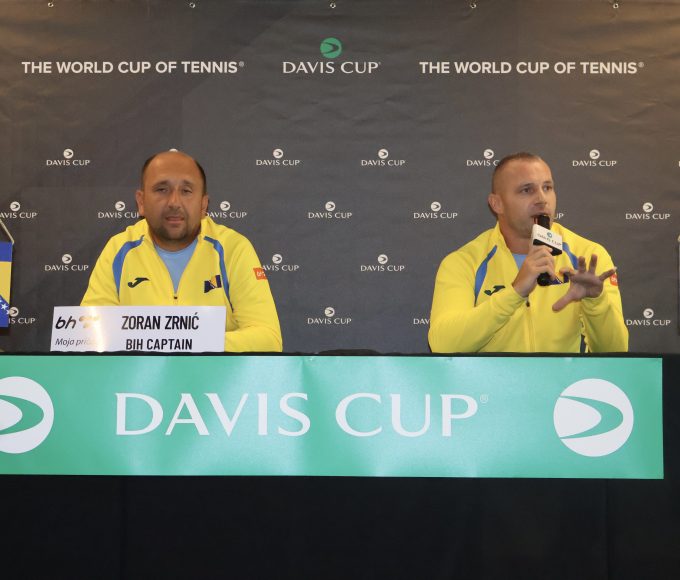
SA bank on altitude and fast court to upset higher-ranked Bosnia in Davis Cup
South Africa are hoping home advantage, altitude and faster playing conditions will...

Tatjana Smith comes out of retirement for swimming comeback in South Africa
Four-time Olympic medallist Tatjana Smith is returning to competitive swimming, two years...



Kim Kardashian awarded just €1 over Paris jewellery heist
Kim Kardashian has been awarded just €1 in compensation nearly a decade...
